









That park court looks harmless until the first hard stop. Concrete chews through shallow tread, dust turns quick cuts into guesses, and a shoe that feels great for one indoor run can feel flat and unstable after a few outdoor sessions. The best outdoor basketball shoes Canada players can buy are not simply the toughest-looking pairs. They need the right balance of rubber, containment, cushioning, fit, and value for how often you actually play outside.
For Canadian hoopers, outdoor season can mean anything from daily summer runs at a busy city park to weekend games on a weathered schoolyard court. The surface matters more than the logo. A premium shoe is worth it when its tooling matches your movement and your court, but paying for a signature model will not protect you from fast wear if the outsole is built primarily for clean hardwood.
Why Outdoor Basketball Shoes Wear Differently
Indoor hardwood is relatively smooth and predictable. Outdoor concrete and asphalt are abrasive, uneven, and often covered in sand, grit, leaves, or moisture. Every defensive slide and hard plant acts like sandpaper against the outsole. That is why outdoor traction needs more than a fresh-looking pattern - it needs rubber with enough depth and durability to stay effective once the first layer wears down.
The court also puts a bigger demand on cushioning. Concrete does not give much back, especially on repeated landings, long full-court games, and sessions where you play for hours because the next run keeps calling. A low-to-the-ground shoe can still work outdoors if you prefer court feel and are light on your feet. Bigger players, frequent jumpers, and athletes managing sore knees or shins often benefit from a setup with more impact protection.
There is a trade-off. Extra cushioning can raise your ride height and reduce that locked-in, quick-cut feeling. Thick, durable rubber can add weight. The goal is not to chase the most tech on the spec sheet. It is to choose a shoe that stays planted, protects your legs, and does not become a worn-out court hazard halfway through the season.
What to Look for in Outdoor Basketball Shoes in Canada
Start with outsole rubber and tread depth
Look underneath the shoe first. A deeper traction pattern gives the outsole more material to work through, while wider grooves can shed loose dust and small debris more effectively. Firmer rubber compounds generally last longer on rough courts than very soft, tacky rubber, although they may feel less sticky on pristine indoor floors.
A multidirectional pattern is usually the safer choice for players who change direction constantly. Guards need dependable coverage for hard lateral stops and sharp attacks. Wings and bigs still need that grip, but may put more emphasis on a broad, stable base for rebounding and post play. No outsole is invincible on concrete, so check the high-wear areas under your forefoot and outside heel every few weeks.
Prioritize containment, not just ankle height
A high collar does not automatically equal better support. What matters is how securely the upper holds your foot over the midsole during cuts, decelerations, and landings. A good outdoor hoop shoe should have a firm heel counter, a stable sidewall or outrigger, and materials that do not let your foot slide over the footbed.
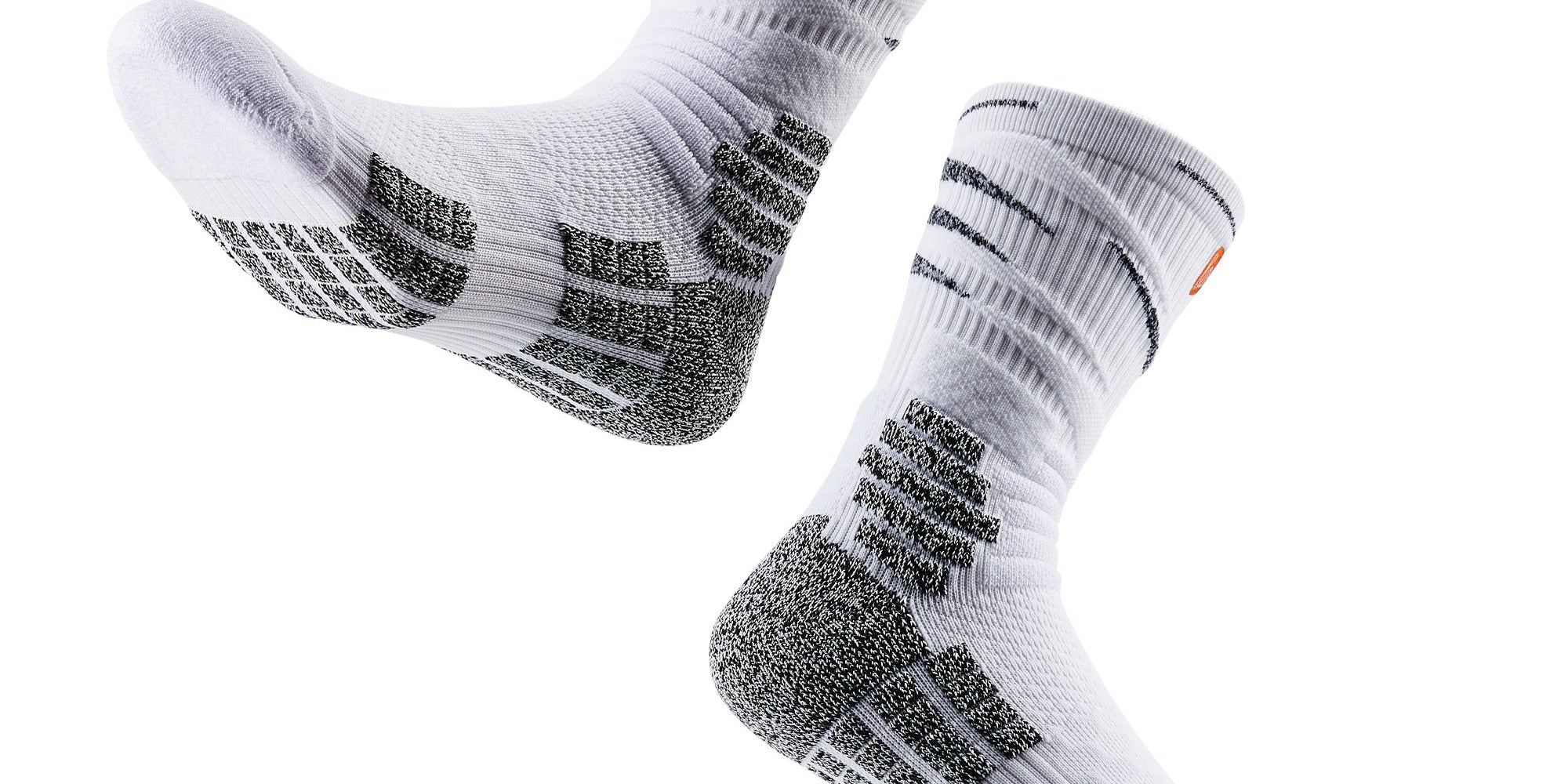
Try the shoe with basketball socks and lace it as you would for a game. Your heel should feel seated, while your forefoot has enough room to splay without pressing into the sidewall. If you feel your foot spilling over the platform on a lateral lean, that pair is not giving you the containment you need, regardless of whether it is low, mid, or high cut.
Match cushioning to your body and game
Responsive foam and low-profile setups suit players who want speed, court feel, and a direct transition into their first step. More protective cushioning makes sense for larger athletes, frequent leapers, and anyone logging multiple outdoor sessions each week. Neither approach is universally better.
Consider your playing history as well. If your knees feel beat up after concrete runs, a slightly more protective platform can be a smart adjustment. If you already feel disconnected from the court in heavily cushioned shoes, choose a lower, stable build with reliable impact foam instead of chasing maximum stack height.
Fit decides whether the tech works
Performance features only help when the shoe fits correctly. A narrow-footer player may need a model with a close midfoot wrap, while wide-foot players should avoid forcing themselves into a sleek silhouette that pinches after 30 minutes. Toe-room matters outdoors because heat, long runs, and repeated stops can make feet swell.
When comparing imported performance brands, do not assume sizing feels identical from one line to another. Check the model-specific fit notes, measure both feet, and account for any orthotic or thicker sock you use on court. A secure fit is especially valuable for outdoor play because uneven surfaces leave less room for sloppy foot movement inside the shoe.
Build Your Choice Around How You Play
A quick guard who lives on stop-start moves should lean toward durable multidirectional traction, a lower centre of gravity, and aggressive lateral containment. The shoe does not have to be minimal, but it should feel fast underfoot and predictable on dusty concrete.
For wings who rebound, slash, and guard multiple positions, a balanced all-around build is usually the move. Look for a stable base, enough cushion for repeated landings, and an upper that stays locked when you drive through contact. This is where many versatile team and signature models make sense, provided their outsole rubber is substantial enough for your local court.
Bigger players should focus on platform width, torsional stability, heel security, and impact protection. A shoe that feels soft when standing still is not necessarily stable under a hard landing. Test the side-to-side structure and make sure the midsole does not feel overly narrow beneath your heel or forefoot.
If you play volleyball as well as basketball, be honest about where the pair will spend most of its time. Volleyball shoes are typically tuned for indoor grip and quick indoor movement. Using one pair for every sport and every surface can be convenient, but an outdoor basketball rotation will protect your indoor pair and preserve the traction you depend on in the gym.
The Canadian Outdoor Court Reality
Outdoor conditions here change fast. A court can be dry at tip-off, dusty by the second game, and damp near the edges after a brief shower. Avoid playing through wet patches when possible. Even a great outsole cannot create reliable traction on slick concrete, and moisture can carry dirt deeper into the tread.
Keep your shoes out of a hot car after a run. Heat can dry out materials and leave your gear smelling like the trunk. Brush loose grit from the outsole, wipe the upper with a damp cloth when needed, and let the pair air dry indoors. Do not put performance shoes directly on a radiator or blast them with high heat.
If you hoop outside several times a week, rotate two pairs if your budget allows. One pair can air out while the other takes the next session, and you will not be forced into a worn outsole just because your only game shoe is still damp. This also gives you a clear read on which setup works best for your body.
Buy for the Court, Then Buy the Colourway
Colourways matter. So do player stories, limited drops, and the satisfaction of pulling up in a pair your run has not seen ten times already. But outdoor basketball is one category where the practical details deserve the final word. Before committing, look at the outsole profile, fit shape, cushioning layout, and whether you are comfortable wearing that pair into concrete every week.
For players looking beyond the usual mall lineup, Kicksology carries authentic performance options from specialist brands such as Way of Wade, Li-Ning, Anta, and SPO, with the kind of model-specific choice serious Canadian hoopers need. Availability changes with releases and restocks, so treat a pair that fits your game as more than a casual pickup.
The right outdoor shoe should let you focus on the next stop, the next cut, and the next run - not on whether your traction will survive it.

