












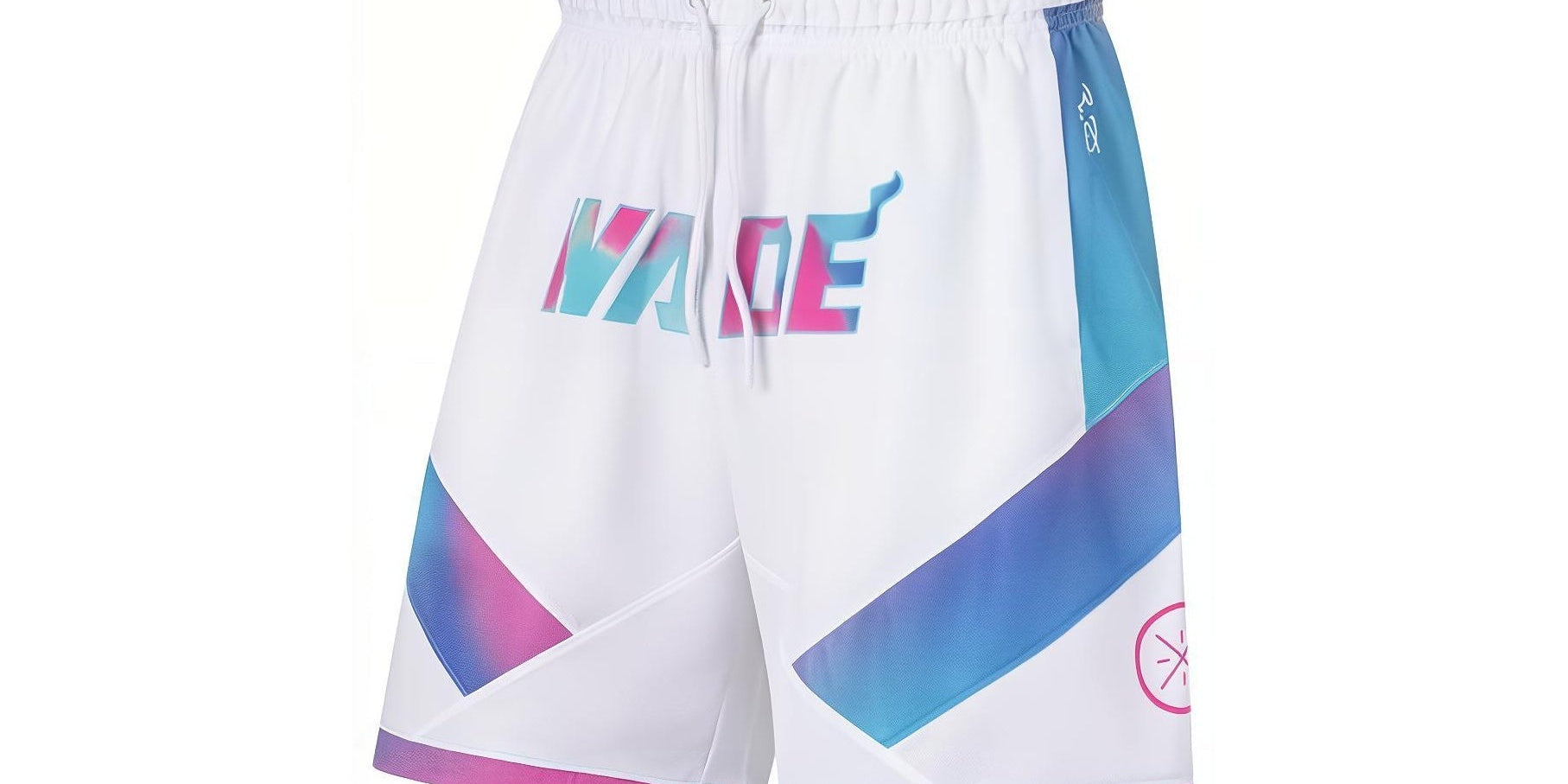
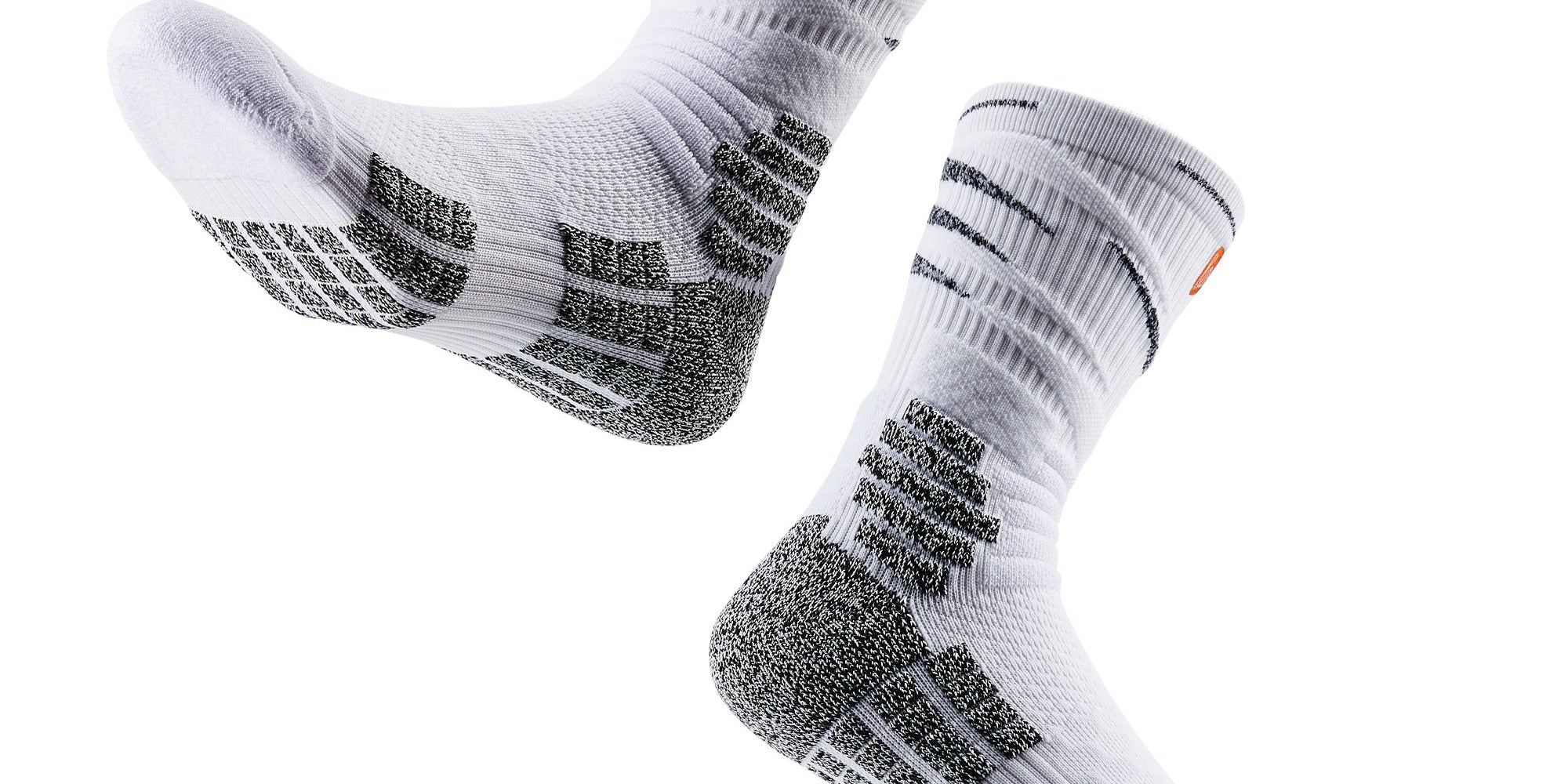

A basketball shoe can feel elite during the first indoor run and still disappoint by mid-season. The real test is what happens after repeated hard cuts, dusty courts, toe drags, outdoor sessions, packed gym bags, and long practices. So, are Way of Wade shoes durable? For most players, yes. Their better performance models are built to handle serious court time, particularly indoors, but the exact answer depends on the model, outsole compound, court surface, and how you use them.
Way of Wade has earned attention for foam cushioning, aggressive traction patterns, and lightweight performance builds. Durability is part of that package, though it is not identical across the line. A premium game shoe such as the Way of Wade 10, 11, or 12 is engineered differently from a lower-priced team model or a court shoe you decide to wear every day outside. Know the difference before expecting one pair to do everything.
Are Way of Wade shoes durable on court?
For indoor basketball, Way of Wade shoes generally hold up very well. The outsoles are designed for sharp lateral movement, while the uppers use layered textiles, engineered mesh, TPU reinforcement, or woven materials in high-stress areas. On the flagship models, the midsole platforms are also built for repeated compression rather than a few casual wears.
The strongest durability story is usually found in the areas serious players care about most: traction longevity, upper containment, and cushioning that does not flatten immediately. That matters when you play four times a week, not just when you are trying shoes on in a store.
Still, durability is not the same as indestructibility. Light, low-profile shoes will naturally show more cosmetic wear around the toe and lateral forefoot than a heavier shoe with thick fuse overlays. If your game involves constant toe drags, deep defensive slides, or hard stops on rough courts, no lightweight performance upper will look new forever.
The outsole is the biggest variable
Outsole wear tells the real story. Way of Wade models commonly use high-abrasion rubber with multidirectional patterns that work best on clean hardwood. In that setting, traction can stay dependable for a long time if you wipe the sole regularly and rotate your pairs.
Outdoor use changes the equation. Asphalt, concrete, and rough schoolyard courts chew through even good basketball rubber. A pair that can last a full indoor season may lose edge definition far sooner if it becomes your daily outdoor shoe. This is especially true for translucent or softer rubber compounds, which can offer excellent bite indoors but may sacrifice some abrasion resistance outside.
If you primarily play outdoors, look for models with a thicker solid-rubber outsole and deeper grooves. Avoid treating a premium flagship pair as a disposable park shoe. Save it for indoor runs, and use a more outdoor-focused model for blacktop sessions. That approach protects both traction and resale condition if you are a collector who keeps boxes and rotates pairs.
What holds up best on Way of Wade models?
The best Way of Wade shoes balance a flexible upper with enough structure around the forefoot, midfoot, and heel. That balance is why many hoopers trust the brand for explosive guards, shifty wings, and players who want a quick shoe without feeling exposed on hard lateral cuts.
The outsole is only one part of the durability question. Here is how the main components tend to age.
Cushioning retention
Way of Wade's premium foam systems are known for a lively ride and strong impact protection. Over time, foam always changes. It may soften, lose some pop, or compress in the areas where you load the shoe most heavily. That is normal wear, not necessarily a durability failure.
In a well-made pair, the cushioning should remain protective long after the first few wears. Heavier players and athletes who land hard off one foot will notice compression earlier than lighter guards. If you are buying a shoe for a demanding college, club, or rec schedule, give yourself more than one pair when possible. Rotation lets the foam recover between sessions and extends the usable life of each pair.
Upper strength and containment
Way of Wade often uses thin materials to keep weight down. Thin does not automatically mean fragile. Engineered mesh, woven uppers, and reinforced textiles can resist stretching surprisingly well when the shoe fits correctly.
The fit part matters. A shoe that is too small puts constant pressure on the toe box and lateral sidewall, increasing the chance of separation or tearing. A shoe that is too large lets your foot slide, putting stress on the upper and reducing containment. For players with wide feet, forcing a narrow performance fit can shorten the life of the shoe and make it less stable at the same time.
Watch the high-wear zones: the medial toe area, lateral forefoot, lace loops, and heel collar. Players who drag their toes on jump shots or defensive slides should expect scuffing there first. Cosmetic fraying does not always affect performance, but a tear that opens near a containment panel is a sign to retire the pair from competitive play.
Glue, sidewalls, and torsional support
Modern performance shoes rely on a combination of glue, stitching, foam carriers, and TPU components. Way of Wade's stronger models generally have solid construction, but heat, moisture, and abuse are hard on any bonded shoe. Leaving a pair in a hot vehicle, wearing it in rain, or repeatedly folding the heel to put it on can weaken materials before the outsole is worn out.
A supportive shoe also needs its midfoot structure to stay intact. If the shoe begins twisting too easily, the heel counter feels soft, or the sidewall is separating from the outsole, its performance life is nearing the end. Do not keep using a compromised pair for full-speed basketball just because the traction still looks decent.
Way of Wade durability for volleyball
Way of Wade shoes can be a strong option for volleyball players, especially athletes who like responsive cushioning and reliable lateral coverage. Indoor volleyball is usually kinder to outsoles than outdoor basketball, so the rubber can last longer. The repeated jumping is harder on cushioning, forefoot flex points, and heel stability, however.
For volleyball, prioritize a secure heel, good lateral containment, and a platform that feels stable on landings. A shoe with soft cushioning may feel great at first but can feel less controlled if the foam becomes overly compressed. Players who train and compete several days a week should monitor the midsole feel, not just visible outsole damage.
How to make Way of Wade shoes last longer
A few habits make a measurable difference. Keep indoor pairs indoors, wipe dust off the outsole after sessions, and air them out instead of sealing sweaty shoes in a bag. Remove the insoles occasionally so the interior dries fully, especially after tournaments or back-to-back practices.
Use a shoehorn or loosen the laces when putting them on. Crushing the heel collar to slide into a shoe is an easy way to damage the rear structure. If you own multiple court pairs, rotate them rather than wearing one pair every session. That gives the foam and upper materials time to recover and helps you notice when one shoe is beginning to break down.
Do not machine wash performance shoes. A soft brush, mild soap, cool water, and patience are safer for the upper and glue bonds. Let them dry at room temperature, away from direct heat.
When a durable shoe is no longer a safe game shoe
The outsole does not need to be completely bald for a basketball shoe to be done. Replace or retire your pair when traction begins slipping on courts you normally trust, the midsole feels flat or uneven, the upper no longer holds your foot securely, or the outsole starts separating from the sidewall.
For serious hoopers, a shoe can remain fine for casual shooting after it stops being the right choice for league games. That is a smart way to get more use from a pair without asking worn-down support and traction to handle full-speed cuts.
Way of Wade shoes are durable enough for committed players when you match the pair to the court and respect the materials. At Kicksology, that means looking beyond colourway hype and choosing the model, fit, and outsole setup that matches how often and where you actually play. A well-chosen pair should earn its place in your rotation, not just on your shelf.

