






If you have ever laced up a pair of LeBrons one week and a Way of Wade or Li-Ning team model the next, you already know the Li-Ning vs Nike debate is not just about logos. It is about ride, fit, court feel, and whether a shoe actually matches how you move. For serious hoopers and volleyball players, the wrong brand choice shows up fast - in your cuts, landings, and confidence.
Nike still owns the broadest mindshare in North American performance footwear. Li-Ning has built its reputation differently, with stronger value in certain performance tiers, aggressive cushioning setups, and a design language that feels closer to the player who studies specs before buying. Neither brand wins every category. The better choice depends on what you prioritize.
Li-Ning vs Nike: what really separates them
The biggest difference is philosophy. Nike builds for scale. Its basketball catalogue ranges from elite signature shoes to team takedowns and lifestyle crossover models, all backed by heavy athlete marketing and familiar tech like Zoom Air, Cushlon, and React. That reach gives buyers lots of options, but it also means performance can vary sharply from one model line to another.
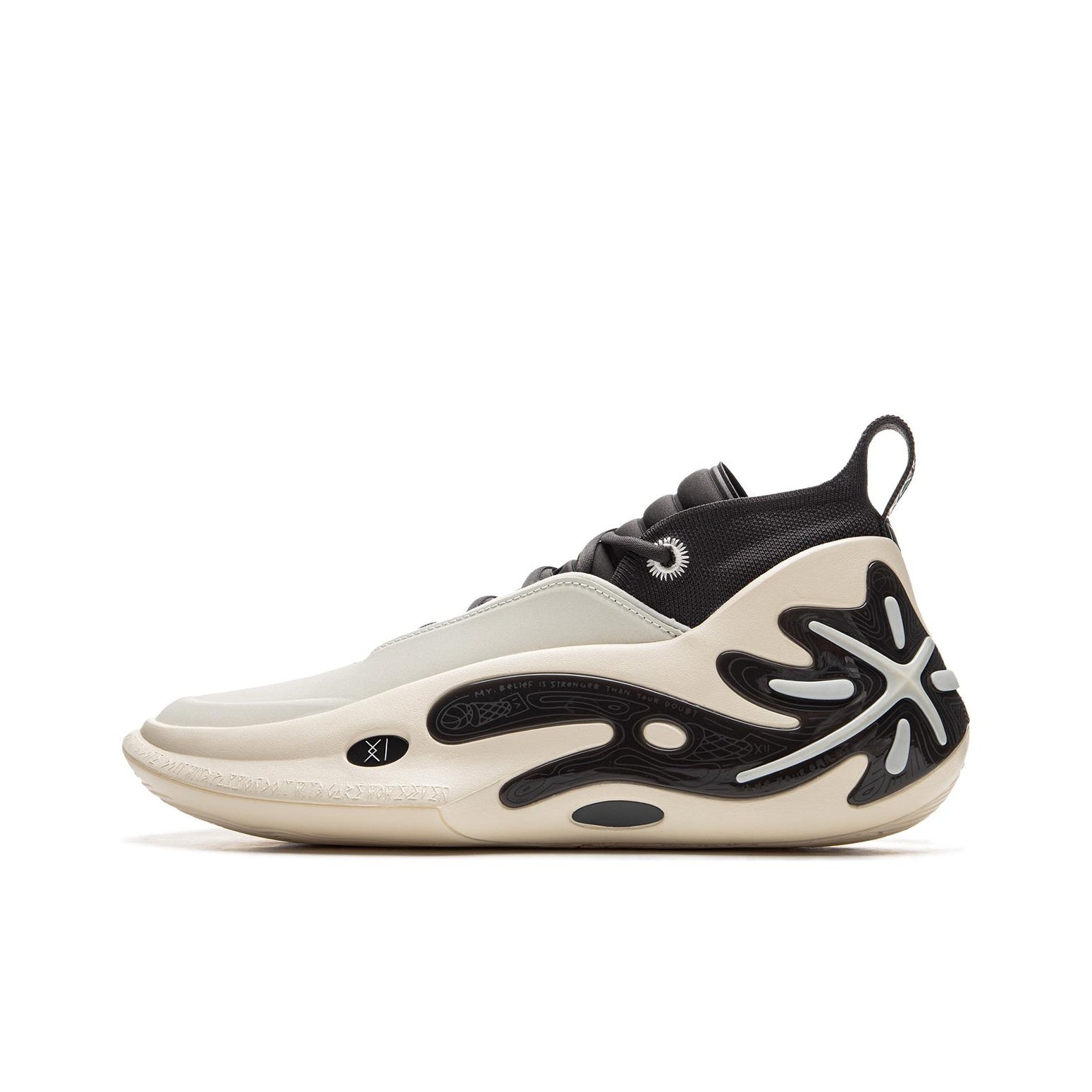
Li-Ning feels more focused. Even when the brand experiments with bold looks, many of its basketball models are clearly built with performance-first intent. You see that in carbon fibre shanks, full-length plate systems, dense but responsive midsoles, and outsoles that often grip extremely well indoors. Its top-end shoes, especially in the Way of Wade orbit, are not trying to imitate Nike. They are trying to compete directly with it.
That matters for players who care less about hype and more about what happens during two hours of hard runs, close-outs, and repeated jumps.
Cushioning and ride
This is where the comparison gets interesting. Nike cushioning tends to be easier to understand because most buyers already know the feel of Zoom-based setups. In the best Nike basketball shoes, you get bounce, impact protection, and a familiar underfoot sensation that is either springy or plush depending on the line. Guards often like lower, quicker Zoom configurations. Bigger players usually gravitate toward more forgiving setups in models tied to frontcourt athletes.
Li-Ning midsoles can feel firmer at first step-in, but that does not automatically mean harsh. In many cases, the foam and plate combo is tuned for compression under force rather than soft showroom feel. Once you get moving, some Li-Ning shoes deliver a very controlled spring. That can be excellent for players who want energy return without feeling disconnected from the floor.
The trade-off is simple. Nike often wins on instant familiarity. Li-Ning often wins with players who want a more structured ride and are willing to break the shoe in a bit.
For volleyball players, this matters even more. Repeated jumping and lateral transitions reward cushioning that stays stable under load. A soft setup that feels great walking around can become sloppy during hard side-to-side play. That is one reason some athletes end up preferring firmer, plated Li-Ning models over softer Nike options.
Traction performance
Traction is where Li-Ning has earned a lot of respect among performance buyers. On clean indoor courts, many Li-Ning basketball shoes bite hard, stop cleanly, and feel reliable on aggressive cuts. The outsole patterns are often tuned for actual game use, not just shelf appeal. That has made several Li-Ning and Way of Wade models favourites among players who rank grip above almost everything else.
Nike traction is more inconsistent across the catalogue. The best Nike pairs are elite. The issue is that not every release lands at that level, and translucent outsoles or style-driven pattern choices can sometimes leave players wanting more, especially on dustier courts.
That does not mean Li-Ning always wins. Some Nike signatures still deliver top-tier stop-and-go control, and for outdoor use, certain Nike rubber compounds can hold up better depending on the model. But if you are shopping strictly for indoor traction and you are open to looking beyond the mainstream wall, Li-Ning deserves serious attention.
Fit and sizing
Fit is one of the biggest practical differences in Li-Ning vs Nike, and it is where shoppers make the most mistakes.
Nike sizing is familiar to most Canadian buyers. If you have worn Kobe, Kyrie, LeBron, GT Cut, Sabrina, or KD lines, you probably already have a rough idea of your Nike basketball size and whether you prefer snug or relaxed. That lowers the risk when buying online.
Li-Ning can be more model-dependent. Some pairs run snug in the forefoot, some fit surprisingly true, and some favour a more performance-wrapped shape that works best for narrow to average feet. Wide-foot players need to pay more attention here. The reward, when the fit is right, is excellent containment. The downside is that guessing can get expensive and annoying.
This is where buying from a specialty retailer helps. Model-specific fit guidance matters more with Li-Ning than with Nike because the average big-box store employee is not going to know how a Wade 808 compares to a mainstream Nike team shoe.
Support and containment
Nike has produced some of the best supportive basketball shoes ever made, but support is not automatic across all price points. Some lower-tier or style-leaning models give up too much structure in the name of comfort or visual appeal. If you are a heavier player, a hard cutter, or someone returning from ankle issues, that matters.
Li-Ning usually takes support seriously. You often see more obvious torsional pieces, stronger sidewalls, and chassis designs that keep the foot centred over the platform. This can make the shoe feel a bit more rigid out of the box, but for explosive play, it is often a good trade.
Players who rely on sudden changes of direction usually appreciate that locked-in feel. Athletes who want a softer, more natural flex may still prefer certain Nike models, especially if they prioritize court feel over structure.
Durability and value
Nike gives you a massive range of price points, but value is inconsistent. At the top end, you may be paying for premium tech, brand equity, and signature status. Sometimes that is worth it. Sometimes the performance jump over a lower-priced option is smaller than expected.
Li-Ning has become more premium, especially in flagship lines, but the brand still often feels like better value when you compare materials, support features, and outsole performance at similar price levels. You are often getting a shoe that feels engineered for actual use rather than broad market appeal.
Durability also tends to be a strong point for Li-Ning, particularly in uppers and structural components. Nike can still win in lighter weight and step-in comfort, but some models prioritize that at the cost of long-term toughness.
If you burn through shoes fast, the value equation changes. A pair that costs a bit more but holds shape, grip, and containment longer may save you money over a season.
Style, hype, and off-court appeal
Nike still dominates here. That is not controversial. Signature athlete storytelling, retro history, limited drops, and crossover wearability give Nike a reach that Li-Ning does not match. For collectors, that ecosystem matters. For casual buyers, it matters even more.
Li-Ning has a different kind of appeal. Its best models look distinct, sometimes futuristic, sometimes loud, and often more interesting to buyers who are tired of seeing the same rotation everywhere. In a market where everyone has access to the same mainstream launches, Li-Ning offers scarcity and identity.
That is a real advantage if you care about standing out. Not everyone wants the shoe every other player at open gym is wearing.
Who should choose Li-Ning and who should choose Nike?
If your priority is elite traction, strong support, and trying something outside the usual North American rotation, Li-Ning makes a lot of sense. It especially suits players who like a structured ride, appreciate technical build details, and are willing to pay attention to fit notes before buying.
If your priority is easy sizing, familiar cushioning, broader availability, and access to the deepest signature roster in the game, Nike is still the safer call. It remains the easiest brand to shop if you already know what worked for you before.
For some players, the answer is not brand loyalty at all. It is rotation logic. A lighter, quicker Nike pair for certain runs. A more planted Li-Ning setup for game day or heavier sessions. That approach makes more sense than treating one logo like a universal answer.
The smarter way to look at Li-Ning vs Nike
The smartest buyers have moved past blanket statements. Li-Ning is not just the "alternative" anymore, and Nike is not automatically the performance king just because it is more familiar. At this point, both brands make excellent basketball shoes, and both also have models that will miss for certain players.
The better question is not which brand is better. It is which model fits your game, your foot, and the surfaces you actually play on. If you shop that way, you will make better decisions and waste less money chasing names.
For Canadian buyers who want access to harder-to-find performance pairs without guessing on authenticity, that difference matters. The best shoe is the one that holds up when the game speeds up - and the logo alone will never tell you that.

