












A bad volleyball shoe usually gives itself away by the second hard plant. You slide a little on defence, feel late getting off the floor, or notice your feet taking a beating after a few sets. If you are asking what shoes are good for volleyball, the short answer is this: shoes with elite traction, stable cushioning, secure containment, and a fit that matches how you move.
That sounds simple, but volleyball is hard on footwear in very specific ways. You are not just running in straight lines. You are shuffling, braking, crossing over, jumping repeatedly, and landing with force. The right pair needs to handle all of that without feeling mushy, tippy, or slow.
What shoes are good for volleyball players?
The best volleyball shoes are built for indoor court grip first. If the outsole cannot bite on hardwood or sport court, nothing else matters much. A clean stop on a closeout, a fast lateral push to cover line, or a controlled landing after a block all start with traction.
After that, cushioning and court feel need to be balanced. Too much soft foam can make a shoe feel comfortable at first, but unstable when you load into a jump or land off-centre. Too little impact protection can leave your knees and feet feeling cooked by the end of a session. Good volleyball shoes usually sit in the sweet spot - enough shock absorption for repeated jumping, but still low and responsive enough to move naturally.
Containment matters just as much. Volleyball has constant side-to-side stress, and sloppy upper support shows up fast. A good shoe should keep your foot over the platform during hard lateral cuts, especially if you are a heavier jumper or play front row. Materials, lacing, heel structure, and outrigger design all play into that.
The four things that matter most
Traction
Volleyball is a traction sport. If your shoes slide, your first step gets worse, your defensive range shrinks, and your confidence drops. Look for outsole patterns with solid coverage and rubber compounds that grip indoor floors well. Softer rubber often bites better indoors, though it can wear faster if you use the same pair outside.
Dust pickup is the trade-off. Some shoes have strong raw grip but need more wiping on dusty gyms. Others stay more consistent through rough court conditions. If you play in older school gyms, this is worth paying attention to.
Cushioning
You need impact protection for repeated jumping, but not at the cost of stability. Volleyball players usually do best in cushioning systems that feel responsive rather than overly plush. The goal is to land well and get back into the next movement quickly.
Setters and liberos often like a lower, quicker ride. Middles and opposites who jump a ton may want more underfoot protection. Neither approach is automatically better. It depends on your position, body type, and whether your joints prefer a firmer or softer setup.
Support and stability
Support is not just about high tops. A low-cut shoe with a strong heel counter, wide base, outrigger, and secure upper can be more stable than a poorly built mid. What matters is how locked in you feel when you brake, plant, and land.
This is where a lot of basketball performance shoes work well for volleyball. Many modern hoop shoes are designed for explosive lateral movement, strong containment, and repeated impact. For volleyball players, that overlap is real.
Fit
Even a great model can feel wrong if the fit is off. Volleyball shoes should feel secure through the midfoot and heel without crushing your toes. You want enough forefoot room for natural splay on landings, but not so much space that your foot shifts inside the shoe.
If you have wider feet, certain narrow performance models can become a problem fast. If you have a slim foot, roomy uppers may never feel truly locked in. Fit is not a minor detail - it is part of the performance package.
Are basketball shoes good for volleyball?
Often, yes. In fact, many serious players wear basketball shoes for volleyball because the best pairs offer excellent traction, stable cushioning, and stronger lateral containment than some general indoor trainers.
That said, not every basketball shoe is automatically good for volleyball. Some are too high off the ground, too bulky through transition, or tuned more for straight-line play and impact than quick court adjustments. For volleyball, the best crossover options tend to be lighter, lower to the floor, and stable on lateral movements.
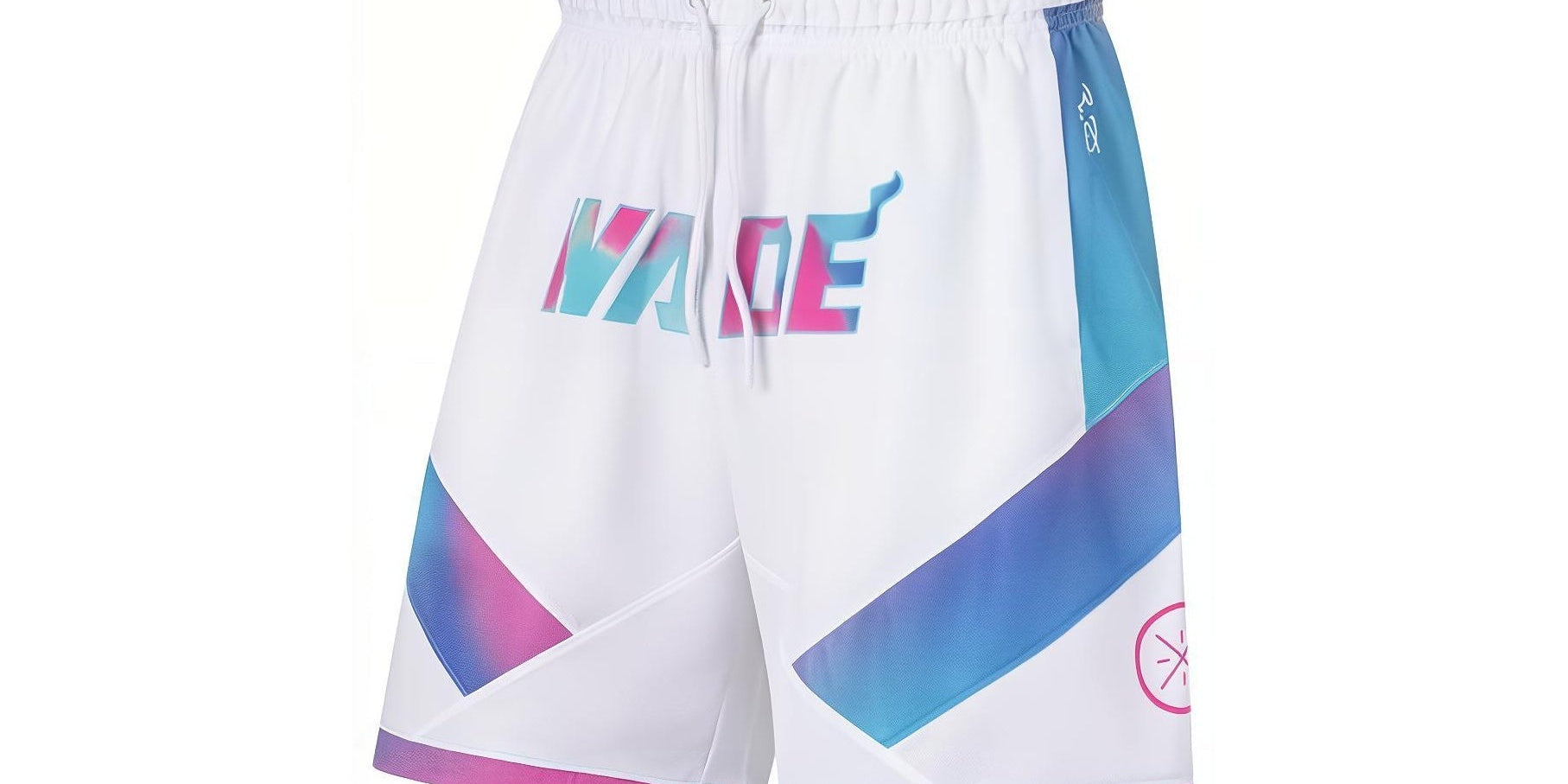
This is one reason certain premium performance models from brands like Way of Wade, Li-Ning, Anta, and SPO have built a following beyond basketball. When the traction is elite and the platform is stable, volleyball players notice.
What to look for by position
Libero and defensive specialists
If you live in the back row, reaction time and court feel matter. A shoe that feels quick, low, and grippy usually makes more sense than one built like a tank. You still need enough cushioning for constant movement, but responsiveness should lead the conversation.
Setters
Setters usually benefit from similar traits - fast transition, controlled landings, and reliable grip for quick changes in direction. Stable cushioning is key because you are constantly loading and unloading your feet, even if you are not taking the same number of max jumps as a middle.
Outside hitters and opposites
You need a more balanced setup. You are jumping, landing, approaching, and defending, so the shoe has to do a bit of everything. This is where all-rounder performance models shine - strong traction, enough impact protection, and dependable containment.
Middles
Middles put a lot of stress on footwear through repeated jumps and landings near the net. Impact protection and stability matter a lot here. You do not want a soft, unstable ride, but you also do not want to feel every landing in your joints by the third set.
What shoes are good for volleyball if you have knee or ankle issues?
If your knees are the main concern, lean toward shoes with more impact protection and a stable base. The key word is stable. Soft cushioning alone is not the answer if it makes your landings less controlled.
If your ankles are the issue, focus on lockdown and platform design rather than chasing collar height. A well-contained low top can work better than a mid or high top that still lets your foot slide. Some players also prefer to size carefully around braces, which can change how a model fits through the collar and midfoot.
Common mistakes when buying volleyball shoes
One mistake is choosing based only on looks or hype. Great colourways are fun, but volleyball exposes weak traction and bad fit immediately. Another is buying a shoe meant for casual wear when you actually need performance tooling.
A third mistake is assuming more cushion equals better protection. If a shoe is too soft or too tall, you may lose stability on plants and landings. That can be just as frustrating as having too little cushioning.
The last big mistake is ignoring court conditions. Some outsoles are amazing on clean courts and average on dusty ones. If your local gym is rarely spotless, consistency matters as much as peak grip.
How to tell if a shoe is actually right for you
The right volleyball shoe should feel planted when you load laterally, secure when you land, and quick enough that it never feels like extra baggage. After a session, your feet should feel worked, not punished.
Pay attention to what usually bothers you. If you slip often, prioritise traction. If your legs feel heavy after long runs, check whether the shoe is too clunky. If your arches or toes hurt, the fit or shape may be wrong even if the tech specs look great on paper.
For Canadian players shopping premium or harder-to-find models, that is where a specialist retailer can actually help. A store like Kicksology is built around performance footwear details that mainstream shelves often miss - traction character, fit quirks, cushioning feel, and which models cross over well for volleyball.
The best mindset when choosing volleyball shoes
Do not ask which shoe is the best in a vacuum. Ask which shoe matches your game. A libero who wants speed underfoot and a middle who needs more impact protection are solving different problems.
The best volleyball shoe is the one that lets you trust your movement without thinking about your feet every rally. When traction is there, containment feels locked in, and the cushioning helps instead of getting in the way, you stop adjusting to the shoe and start playing your game.

