

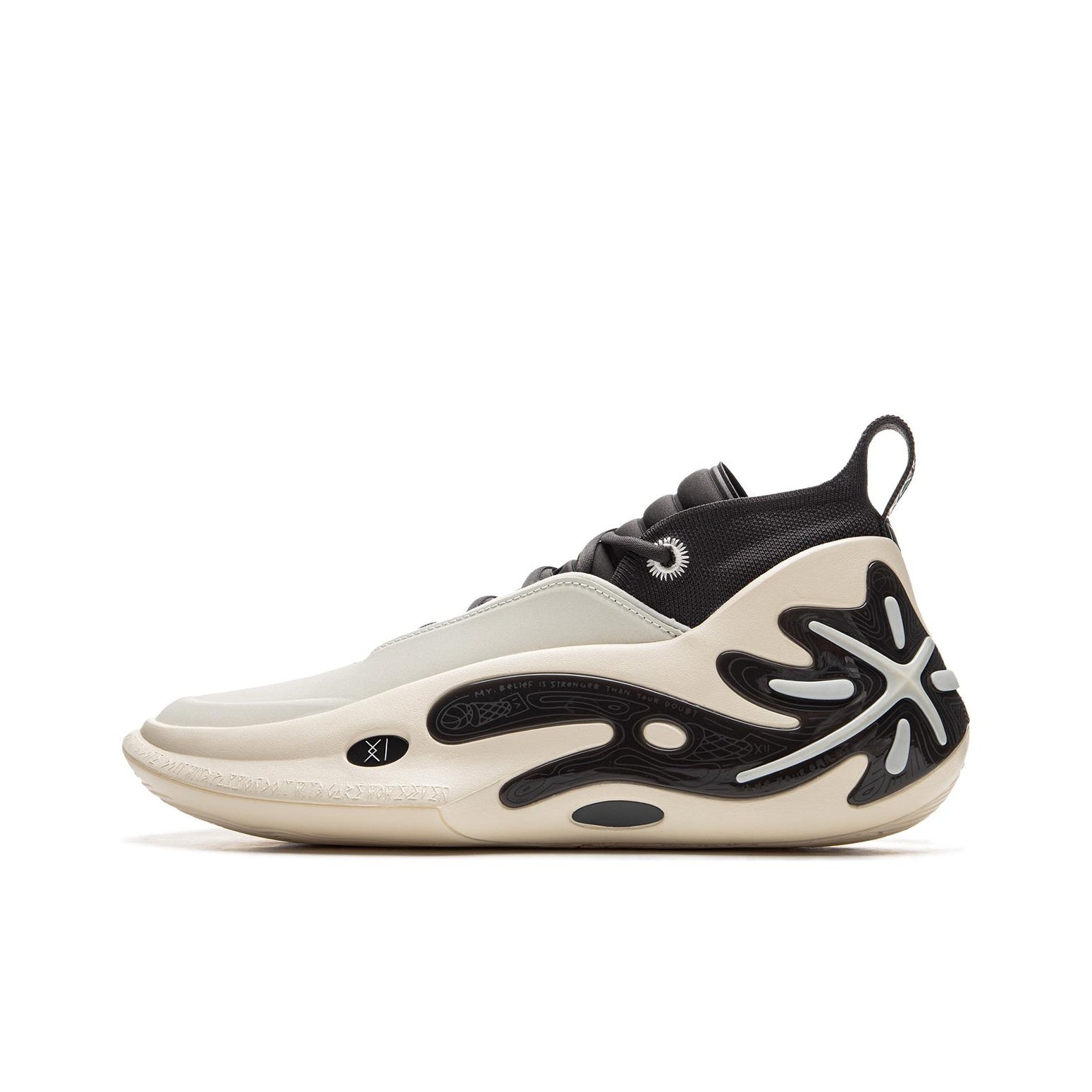




A kid slipping on a dusty court does not care how hyped a shoe is. They care whether they can stop, cut, and land without feeling unstable. That is why the best performance basketball shoes for kids are not always the loudest pairs or the most expensive signatures. The right pair needs to match how a young hooper actually moves, how fast they are growing, and what kind of court time they are getting.
For parents, the challenge is different. You are trying to buy something that performs well now without getting burned by bad sizing, stiff materials, or a shoe built more for style than basketball. For older kids who know the market, the question usually comes down to this - do you want a shoe that looks elite, or one that really plays elite? The best pairs do both, but performance has to come first.
What makes the best performance basketball shoes for kids?
Kids do not need the exact same setup as a grown adult playing high-level men’s league. They are lighter, often less explosive, and still developing strength, coordination, and movement patterns. That changes what matters most.
Traction is usually the first thing to check. A strong outsole pattern gives young players confidence on stops, defensive slides, and first-step drives. If the shoe cannot grip, the rest of the tech barely matters. Cushion comes next, but not in the way people think. Most kids do not need the softest, tallest setup possible. They usually benefit more from a balanced ride that keeps them low enough to feel the floor while still taking some sting out of repeated jumps and hard landings.
Support also needs context. A high collar does not automatically mean better containment, and a low-top is not automatically less secure. What matters is heel lockdown, lateral stability, and whether the upper actually keeps the foot over the footbed during cuts. For younger players, that stable platform is often more valuable than overly plush cushioning.
Then there is weight. A lighter shoe can feel quicker and easier for a kid to move in, but shaving too much structure can make the ride feel flimsy. The best performance basketball shoes for kids usually hit a middle ground - light enough to feel fast, solid enough to hold up during real play.
Fit matters more than hype
If a kid is swimming in the forefoot or jamming their toes at the end, the shoe is already a miss. Good fit is not a small detail. It is the difference between a shoe that helps and one that distracts every possession.
Some basketball models run long and narrow. Others feel snug through the midfoot but open up in the toe box. That is why buying only by name can backfire. A popular signature with elite cushioning might still be a poor choice if the shape does not work for the player’s foot. Wide-foot kids often need more forgiving uppers or broader platforms. Narrow-foot players can usually handle more sculpted fits, as long as the heel locks in cleanly.
There is also the growth-spurt problem. A lot of parents try to size up heavily to get more life out of the pair. That sounds practical, but too much extra space can wreck containment and make the shoe feel clumsy. A little room is one thing. Full extra length is another. Performance shoes are supposed to move with the foot, not chase it.
The best types of basketball shoes for different kids
Not every young player needs the same kind of shoe. Position, age, confidence level, and play style all change the answer.
For quick guards
A lighter, lower-to-the-ground shoe usually makes the most sense. Guards rely on sudden changes of direction, fast pull-ups, and sharp stops. They typically benefit from aggressive traction, responsive cushioning, and a shape that feels nimble instead of bulky. Too much stack height can make a smaller player feel disconnected from the floor.
This is where many modern team models and streamlined signature takedowns can shine, provided the outsole is legit. A guard shoe for kids should feel planted, not mushy.
For bigger kids and stronger movers
If the player is taller for their age, attacks the glass, or lands hard, impact protection matters more. That does not mean they need the softest setup on the market, but they do need enough cushion and structure to avoid that harsh, slappy ride some budget models have.
A wider base helps here too. Bigger kids put more force into lateral movements, and a narrow platform can feel sketchy during rebounds and strong downhill drives. Stability is a real performance feature, not just a comfort bonus.
For all-around players
Most kids fall into this category. They need a shoe that does everything fairly well - good grip, decent cushion, reliable support, and no major weaknesses. This is often the smartest place to shop because balanced models tend to age better through the season. They are less likely to feel too specialised as the player’s game changes.
Signature models vs team shoes
This is where buyers get split. Signature shoes carry more appeal, more visibility, and often more advanced tooling. They can absolutely be worth it, especially when a model has top-tier traction, premium foam, or a more refined support setup. But a kid does not automatically need the flagship option.
A strong team shoe can be the better buy if it delivers better value, easier wear, and fewer fit issues. Some flagship models are built around pro-level preferences that do not always translate perfectly for younger players. Stiff carbon pieces, highly sculpted lasts, or aggressive break-in periods can be less forgiving if the player just needs something dependable for school ball, club runs, and weekend tournaments.
That is why the best performance basketball shoes for kids often come from looking beyond the obvious names. Some of the strongest on-court options today are coming from brands that serious hoopers already know well - especially those pushing traction, court feel, and containment instead of relying only on logo power.
Why outsole durability and court type matter
A lot of kids do not play exclusively on pristine indoor courts. They bounce between school gyms, community centres, church leagues, and outdoor blacktop. That changes what shoe makes sense.
If the player sees outdoor use, soft rubber compounds can burn down fast. A shoe with elite bite indoors may lose its edge quickly outside. On the other hand, a tougher outsole with deeper tread can hold up better, even if it gives up a little of that squeaky premium indoor feel. It depends on where the minutes are happening.
Dust pickup matters too. Some shoes grip hard until the court gets dirty, then need constant wiping. For adults who know exactly what they are buying, that trade-off can be fine. For kids, especially younger ones, a more forgiving traction setup is often the better call. It is one less thing to think about.
What to avoid when buying kids’ hoop shoes
The first trap is buying casual sneakers and hoping they can double as basketball shoes. Some can survive light shooting around, but real game movement exposes weak support and poor traction fast. If the shoe is not built for hoop, it should not be the primary game pair.
The second trap is buying purely on colourway or player endorsement. Kids will always care about looks, and honestly, they should. Basketball shoes are part performance gear, part identity. But if the shoe slides, pinches, or feels unstable, the colourway stops mattering by the second quarter.
The third trap is going too cheap. Budget pairs are not automatically bad, but the lowest end of the market often cuts the exact things young players need most - rubber quality, midsole consistency, upper containment, and long-term comfort. Value matters. False economy does too.
How to choose the right pair without overcomplicating it
Start with the player, not the marketing. Ask where they play, how often they play, and what they complain about in their current shoes. If they are always slipping, traction moves to the top of the list. If their feet hurt after runs, look harder at cushioning and fit. If they feel tippy or loose on cuts, focus on containment and base width.
Then be honest about how long the pair needs to last. A dedicated game shoe for a kid in heavy rotation may justify spending more. A pair for occasional rec league use might not need the same level of premium tech. There is no universal best answer, only the right answer for that player.
For Canadian buyers, access can be part of the decision too. Some of the strongest performance models are still harder to find through mainstream channels, especially if you are looking for premium imported basketball lines or smaller sizes with real on-court credibility. That is one reason specialty retailers like Kicksology have built such a loyal audience - serious players want actual performance options, not just whatever happens to be sitting on a big-box wall.
The best kids’ basketball shoe is the one that lets a young player move naturally, trust their footing, and stay locked in on the game instead of their feet. When that part is right, confidence follows.

