










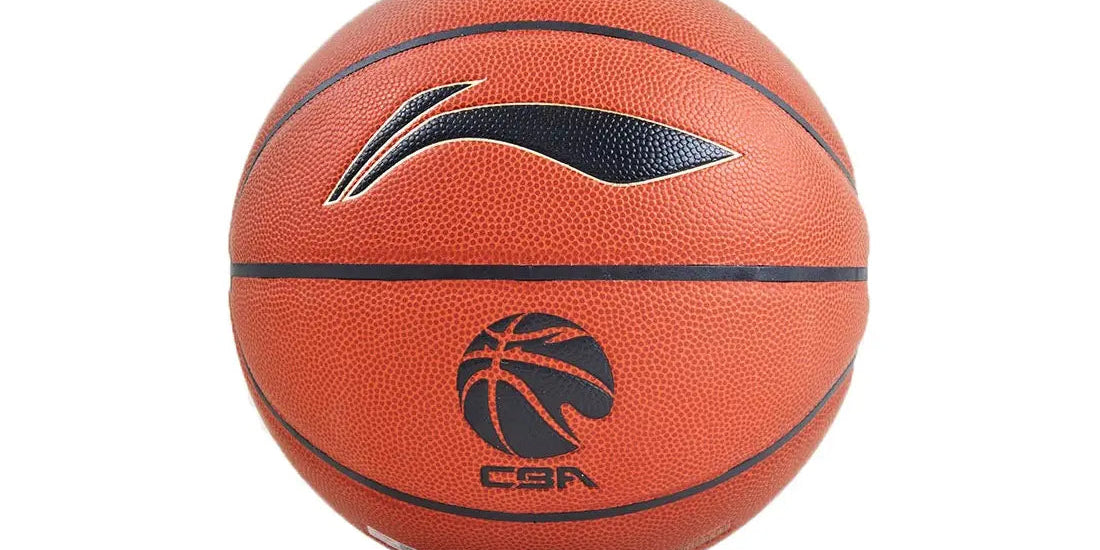

That question usually shows up right after you find a pair you could not get anywhere else - a Way of Wade colourway, an Anta KAI drop, or a Li-Ning model that never hit big Canadian chains. Are imported sneakers authentic online? Sometimes yes. Sometimes absolutely not. The problem is that rare availability and premium pricing create the perfect conditions for both legit specialty retailers and very convincing fake sellers.
If you buy performance shoes to actually hoop or play volleyball, authenticity is not just a collector concern. A fake pair can mean weaker traction compounds, poor cushioning response, bad lockdown, and materials that break down fast. If you are paying imported-shoe money, you should know exactly what you are getting.
Are imported sneakers authentic online when the seller looks legit?
A clean website does not prove anything. Neither does polished product photography, a big social following, or a countdown timer on a launch page. Counterfeit operations have gotten much better at looking professional, especially around hype pairs and imported brands that most buyers have less hands-on experience with.
What matters is the retail behaviour behind the storefront. Legit sellers tend to show consistency. Their sizing runs make sense. Their product names are accurate. Their release timing matches actual market availability. Their prices sit in a believable range. Most importantly, they can explain where inventory comes from.
That last point matters more with imported sneakers than with mass-market GRs. If a store specializes in brands like Way of Wade, Li-Ning, Anta, or SPO, it should be able to speak clearly about sourcing, stocking, shipping, and authenticity standards. Vague language is a bad sign. So is a seller who leans on phrases like "factory direct" without defining what that means.
What makes imported sneakers riskier to buy online?
Imported pairs create more uncertainty because most Canadian buyers cannot compare them against a shelf full of local stock. With Nike or adidas general releases, people usually know the box label format, retail packaging, and expected price band. With niche imported performance shoes, fewer buyers know what "normal" looks like.
That gap is where fakes thrive. A wrong insole print, slightly off logo placement, or unusual tissue paper might not stand out if you have never handled the real pair. Sellers know this. They also know that buyers chasing hard-to-find models are often willing to move quickly before stock disappears.
There is also a grey zone between counterfeit and poorly sourced inventory. Some pairs may be authentic but come from channels with weak quality control, damaged packaging, or unclear warranty support. That does not make them fake, but it does affect value and trust. For athletes, that difference matters.
How to tell if imported sneakers are authentic online
Start with the seller, not the shoe. Most buyers do the opposite. They zoom into stitching photos and compare heel tabs before checking whether the store itself passes basic credibility tests.
A legitimate specialty retailer usually has a focused assortment. That sounds simple, but it is useful. If a store claims to carry every hype sneaker, every luxury item, every retro Jordan, every Kobe, every imported performance model, and all of them are somehow always in stock, be skeptical. Real inventory has gaps. Sizes sell out. Some colourways never restock.
Pricing is another strong signal. Imported performance footwear often costs more because of sourcing, duties, freight, and limited allocation. If a sought-after model is dramatically cheaper than every credible market reference, that is rarely a lucky break. It is more often a warning.
Then look at the product details. Legit sellers usually know the model family, cushioning setup, support features, fit profile, and intended use. They can tell you whether a shoe runs long, fits narrow, or works better for guards than heavier wings. Fake-focused sellers tend to stay shallow. They reuse generic descriptions, avoid technical details, and say almost nothing useful about performance.
Signs a sneaker site deserves more trust
You do not need a forensic lab to shop smarter. You need pattern recognition.
A stronger online seller will usually have clear return policies, real contact information, and consistent brand presentation across the site. Product pages look curated rather than copied and pasted from random marketplaces. Release-driven shoes may be final sale, but the terms should be clear before checkout.
It also helps when a retailer actually stocks what it sells instead of relying on endless third-party sourcing after you place the order. That often means faster fulfillment and fewer surprises. For Canadian buyers, domestic stocking can remove a lot of the uncertainty around duties, border delays, and mystery shipping routes.
This is one reason specialty retailers like Kicksology resonate with serious buyers. When a store is built around authentic imported performance footwear rather than chasing every category at once, the product knowledge tends to be deeper and the risk profile lower.
Red flags that usually mean walk away
Some warning signs are obvious, others are subtle. The obvious ones include prices that are too low, sloppy grammar across the site, fake-looking reviews, and product photos that do not match each other from one angle to the next. If the box label in one image says one thing and the size tag photo says another, do not rationalize it.
The subtler red flags are often more telling. Watch for stores that use the same vague authenticity promise on every page but provide no specifics. Watch for sellers that avoid showing actual size runs. Be careful with any site that says a hot release is available in full size range weeks after it sold out everywhere credible.
Another issue is shipping language. If a store cannot tell you where the pair ships from, how long fulfillment takes, or whether duties may apply, you are not getting a clean buying experience. That does not always mean fake inventory, but it often means weak operational control.
Why authenticity matters more for performance pairs
With lifestyle sneakers, a fake pair is still a bad purchase. With on-court shoes, it can become a performance problem fast. Imported basketball and volleyball models are bought for specific reasons - traction bite, lateral containment, cushioning balance, torsional support, court feel.
Counterfeit pairs rarely reproduce that correctly. Rubber compounds may be harder or cheaper. Cushioning setups may look similar in photos but feel dead underfoot. Uppers can stretch out too quickly. Support features can fail under game movement. If you are cutting, planting, and jumping in them, that is not a minor detail.
This is why authenticity questions around imported shoes are not just about resale culture. They are about whether the product actually performs the way the original was designed to perform.
Are marketplaces a safe place to buy imported sneakers?
It depends on the marketplace and the seller, but the risk is usually higher than buying from a specialized retailer. Marketplaces concentrate both legitimate resellers and bad actors in the same space. Even with verification programs, the buyer experience can be inconsistent, especially on less common imported models where authentication standards are not as mature as they are for mainstream Jordans or Yeezys.
That does not mean every marketplace listing is bad. It means you should treat them as higher-effort purchases. You may get an authentic pair, but you are relying more heavily on third-party checks and less on direct retailer accountability.
For most buyers who simply want a real pair to wear, a specialist store is the cleaner route. You usually pay for that trust, but there is value in knowing the shoes were sourced and sold by people who actually understand the category.
The best question to ask before you buy
Instead of asking only, "Are imported sneakers authentic online?" ask, "Why should I trust this seller with this specific pair?"
That question forces a better standard. It shifts the focus from hype and scarcity to sourcing, expertise, and accountability. If the answer is just a flashy site and a discount, that is weak. If the answer is clear inventory standards, category knowledge, sensible pricing, and transparent fulfillment, that is a much better sign.
Imported sneakers can absolutely be authentic online. Plenty of serious retailers do it right. But the burden is on the buyer to separate true specialty sellers from stores that only look the part. When the pair is rare, expensive, and built for real performance, trust should be earned before your order is placed.
The smart move is simple: buy from people who know the shoe, not just people who know how to list it.

