







If you're stuck on Anta Kai vs Sabrina, you're probably choosing between two very different ideas of what a guard shoe should feel like. One leans more expressive and aggressive underfoot. The other keeps things cleaner, lower to the floor, and easier to trust right out of the box. That makes this comparison less about which shoe is "better" and more about which one actually matches how you move.
For a lot of players, the real question is simple: do you want a shoe that feels dynamic and loaded with personality, or one that stays controlled and predictable every possession? Both can work. The gap shows up in traction behaviour, forefoot response, fit shape, and how much structure you want when the game gets fast.
Anta Kai vs Sabrina on court
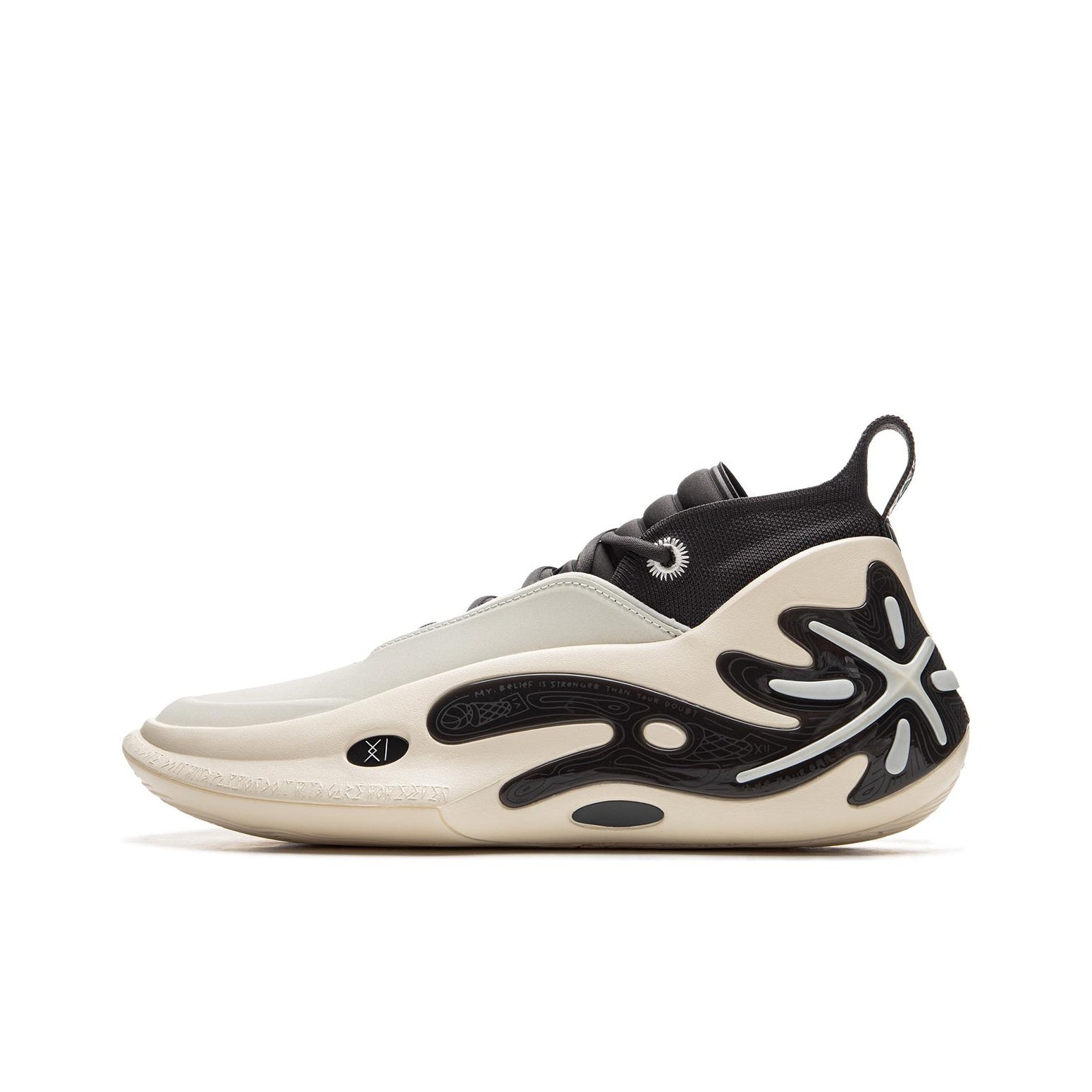
The Anta Kai line is built with Kyrie's style in mind, so the on-court feel usually reflects quick changes of direction, sharp footwork, and a more animated ride. There is often more happening in the tooling, the upper design, and the overall shape of the shoe. You notice it when you plant hard, attack angles, and play with a lot of rhythm changes.
The Sabrina line goes the other way. It feels more stripped back, more neutral, and in many cases easier to recommend to a wider range of hoopers. It does not try to overpower your movement. Instead, it gives you a stable platform, solid court feel, and a fit that many guards and wings adapt to quickly.
That difference matters. Some players love a shoe with character underfoot. Others just want to lace up and hoop without thinking about the shoe after warmup.
Traction feel and bite
Traction is usually one of the first reasons buyers narrow this matchup down.
The Sabrina line has earned attention because of how dependable the outsole pattern tends to feel on decent indoor courts. The bite is usually quick and controlled, especially for players who rely on stop-start movement, pull-ups, and side steps. It is less about a dramatic squeak and more about clean, repeatable grip. On dusty runs, it can still need wipes, but the traction profile tends to feel familiar and easy to read.
The Anta Kai can feel more aggressive depending on the specific model and rubber setup. When it hits, it feels sharp and confident on directional cuts. That said, Anta models can sometimes be more surface-dependent than people expect. On a clean court, the experience can be excellent. On dustier floors, your mileage may vary more than it would in the Sabrina.
If you play mostly indoors on maintained courts, both make sense. If you want the safer all-around traction bet with fewer surprises, Sabrina has the edge. If you value a more attack-minded feel and are willing to live with a little more court sensitivity, the Anta Kai becomes more interesting.
Cushioning and court feel
This is where preference starts separating buyers fast.
Sabrina models usually keep you lower to the ground. The cushioning setup feels responsive without getting mushy, which is a big reason guards like it. You get a direct connection to the floor, and that helps with pacing, change of direction, and balance through the midfoot. For lighter players or players who do not want a highly stacked ride, that can be a major plus.
The Anta Kai often feels more sculpted and more energetic underfoot. Depending on the version, the forefoot can feel more springy or more loaded than what you get in the Sabrina. That can be great for players who want the shoe to feel alive during hard pushes and quick launches. The trade-off is that some hoopers will find it less natural at first, especially if they prefer a simple, low-profile setup.
For guards who rank court feel first, Sabrina is easier to back. For players who want a bit more flavour and pop in the ride, Anta Kai has the stronger appeal.
Fit and sizing in Anta Kai vs Sabrina
Fit is where this comparison can save you a return.
The Sabrina line tends to fit more true-to-size for a broad range of players, though the shape often feels streamlined rather than roomy. If you have a standard to slightly narrow foot, there's a good chance the fit feels dialled without much adjustment. Wide-footers can still make it work in some cases, but it depends on how much forefoot spread you need.
Anta Kai models can be trickier because the last shape and upper materials may feel more specific. Some players love the way the shoe wraps the foot and creates a secure, almost performance-tuned fit. Others may find the forefoot, midfoot, or toe shape less forgiving if they have wider feet or prefer extra volume.
That means the Sabrina is usually the easier blind buy. The Anta Kai is the one you buy because you want what it does specifically. If your foot is picky, that distinction matters.
Containment and support
Support is not just about ankle height. It is about whether the shoe keeps you centred when you slam on the brakes or shift hard laterally.
Sabrina models usually feel stable because the platform is composed, the ride is not overly tall, and the shoe keeps your foot working over the base instead of wobbling around it. For guards and smaller wings, that creates a lot of confidence. You feel in control, especially on jump stops and retreat dribbles.
The Anta Kai can offer strong containment too, but it often feels more sculpted around movement rather than simply stable. That is a subtle but real difference. It can feel amazing for creative players who attack from awkward angles and want the shoe to move with them. But if you prefer a calmer, more planted sensation, Sabrina may feel more dependable over a full run.
Which player should pick Anta Kai?
The Anta Kai makes the most sense for hoopers who want their shoe to have personality. If your game is heavy on counters, hesitations, spins, and quick bursts, the design philosophy lines up with that style. It tends to reward players who like a snugger, more tuned-in fit and are willing to adjust to a model that may not feel generic in the best way.
It also appeals to buyers who care about exclusivity. Not everyone wants to show up in the same mainstream pairs every week. Anta's performance category carries that niche, collector-adjacent energy while still being built for real runs. For a lot of Canadian buyers, that matters almost as much as the spec sheet.
The catch is that it may ask for more from you. You might need a bit more care with sizing, and the ride can feel more distinct than universally safe.
Who is better off in Sabrina?
Sabrina is the stronger pick for players who want a clean performer with fewer variables. If your game depends on reliable traction, low-to-the-floor movement, and a shape that works for a lot of foot types, it is an easy case to make.
This is also the pair that makes more sense for multi-position players. Guards will still appreciate the court feel, but wings who want a light, stable hoop shoe without anything overly quirky can settle into it quickly. It is one of those models that rarely needs a big explanation. You put it on, and it generally makes sense.
That does not mean it is boring. It means it is efficient. For a lot of players, that is exactly the point.
Value, availability, and the real buying decision
Price is only part of value in this matchup. The bigger issue is what kind of buyer you are.
If you want the easier recommendation, the Sabrina usually wins because it is more familiar, more straightforward, and easier to compare against other mainstream performance models. If you care about low-risk performance, that matters.
If you are chasing something less common and more identity-driven, Anta Kai starts pulling ahead. It feels like a more deliberate choice. You're not just buying traction and cushion. You're buying into a silhouette and a performance feel that stands apart from the usual rotation.
That is why specialty retailers like Kicksology matter for this category. When you're shopping niche performance brands or imported pairs, getting accurate fit guidance and authentic stock is part of the product.
Final call on Anta Kai vs Sabrina
If you want the safe performance play, go Sabrina. If you want the more distinctive one, go Anta Kai.
Neither answer is wrong. The better shoe is the one that matches your foot, your pace, and the kind of confidence you want when the game speeds up. Buy for your movement, not just the name on the box.

