

Ask five serious hoopers which brand is best for basketball shoes and you will probably get five different answers - and at least one strong opinion about traction. That is the real starting point here. The best brand is not the one with the biggest logo or the loudest rollout. It is the one that matches how you move, what you weigh, the court you play on, and the fit you can actually trust for four quarters.
For most players, brand matters less than model line. Still, some brands have clearer strengths than others. If you are trying to narrow the field, it helps to look at the patterns: who consistently delivers elite grip, who gets cushioning right, who fits narrow or wide, and who is pushing performance forward instead of just selling nostalgia.
Which brand is best for basketball shoes depends on your game
If you are a quick guard, your priorities are usually traction, court feel, and containment. If you are a heavier wing or big, impact protection and stability matter more. If you play both basketball and volleyball, you may care even more about bite on clean courts, lateral support, and a locked-in heel.
That is why there is no clean one-brand answer for everyone. Nike still has range and athlete visibility. Jordan remains relevant when a mainline model hits. Adidas can be comfortable and easy to wear. But over the last few years, brands like Way of Wade, Li-Ning, and Anta have earned real respect because they are building performance-first shoes that compete hard where it counts: traction patterns, foam setups, torsional support, and upper containment.
The major brands and what they do best
Nike
Nike is still the easiest answer if you want broad familiarity. The brand has deep cushioning knowledge, strong athlete-backed lines, and enough variety that almost any player can find something usable. Kobe-inspired low tops, GT series models, and certain LeBron takedowns or team shoes can all work depending on your preferences.
The trade-off is consistency. Nike can release one excellent performer and then follow it with something that looks great but needs break-in time, attracts dust, or fits awkwardly. If you buy Nike, you are often buying a specific model, not blindly trusting the brand.
Jordan Brand
Jordan carries obvious cultural weight, and some hoopers want that mix of on-court function and off-court presence. When Jordan gets the formula right, the result can be a strong all-around shoe with solid support and enough cushion for long runs.
But Jordan performance can also be uneven. Some flagship models feel tuned for a specific type of player, while retros are usually more about heritage than true modern performance. If your main goal is hooping, you need to separate the collector appeal from the actual ride.
Adidas
Adidas tends to appeal to players who want step-in comfort and a slightly more forgiving fit. Certain pairs offer good cushioning and stable landings, especially for wings and forwards who do not want a harsh, low-to-the-ground setup.
Where Adidas can lose some players is responsiveness and court feel. Not every hooper wants a softer sensation underfoot. If you rely on fast stop-start movement and sharp directional changes, some Adidas models can feel a bit less connected than the best guard shoes on the market.
Way of Wade
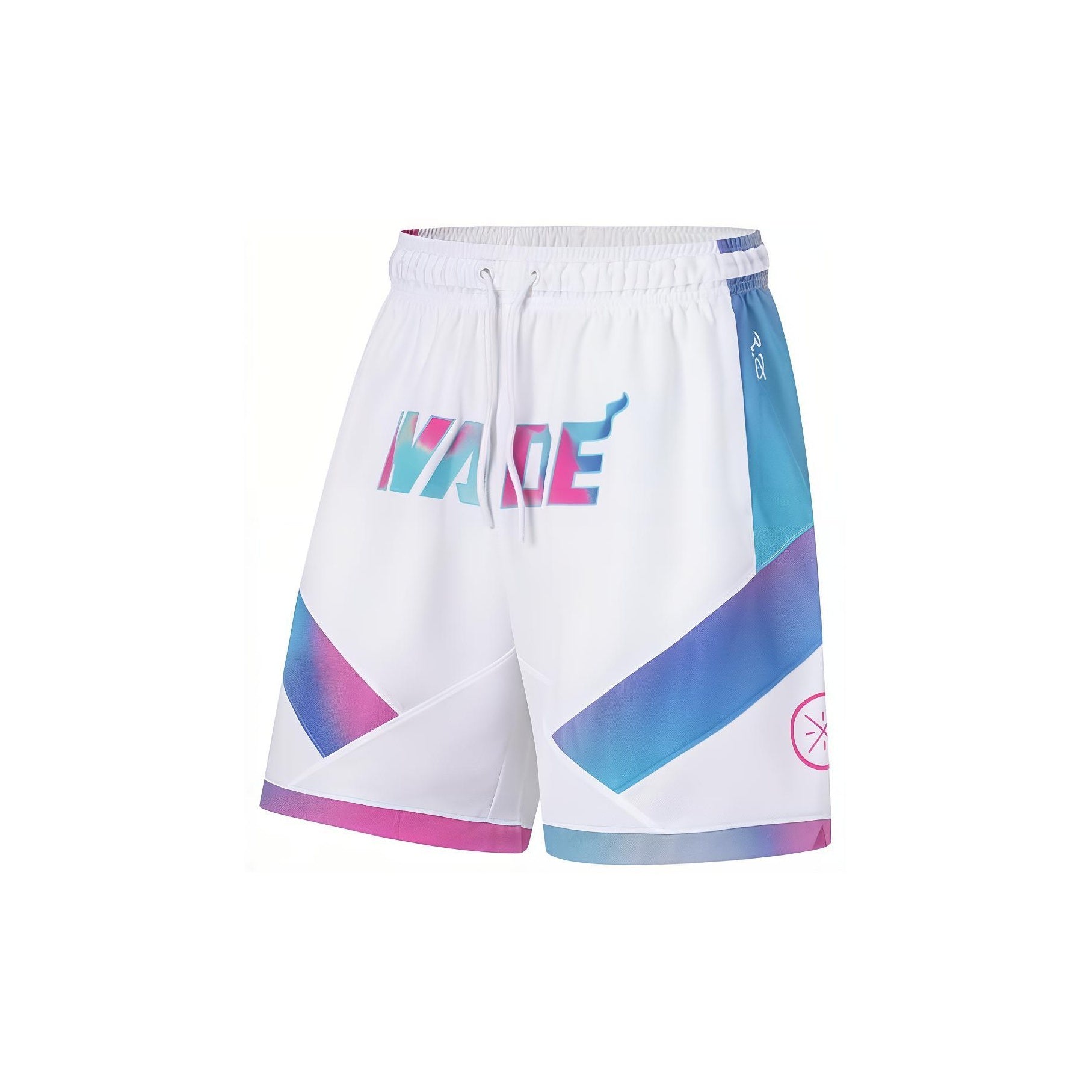
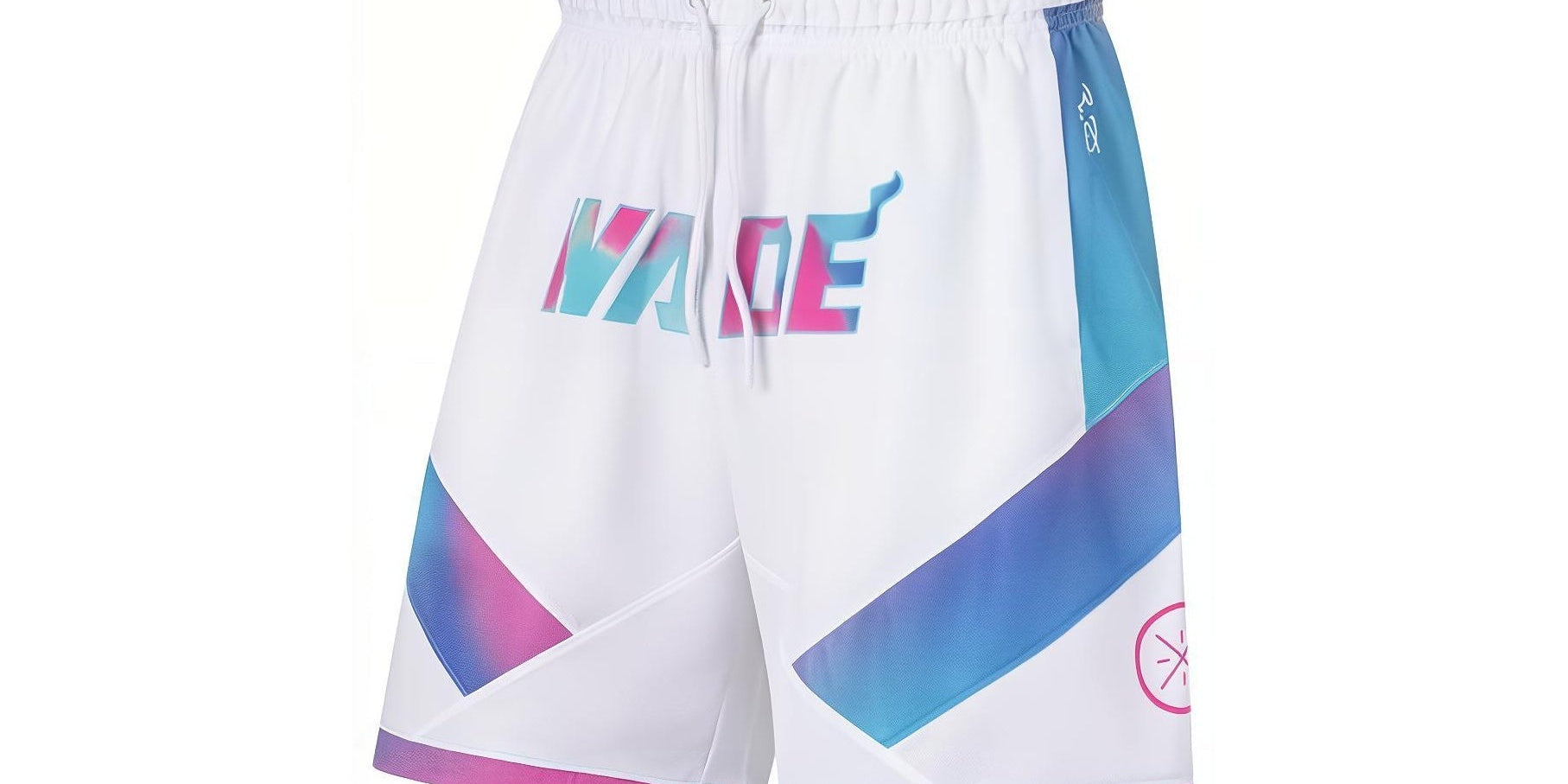
Way of Wade has become one of the most respected performance names in the category, and not just because it is hard to get through mainstream channels. The top models are built with intent. You see premium materials, serious traction design, strong lateral containment, and cushioning that feels tuned for real play instead of just shelf presence.
The standout thing about Way of Wade is how complete many models feel. Shoes in lines like the Wade 808 family or flagship numbered Wade models often hit multiple performance points at once - grip, support, impact protection, and a secure fit. The catch is that some players need to pay close attention to sizing, because imported models can fit differently from what they are used to in North American releases.
Li-Ning
Li-Ning deserves more attention than it gets from casual buyers. The brand has been doing advanced performance work for years, especially around cushioning compounds and structural support. If you like a shoe that feels technical, stable, and clearly engineered for play, Li-Ning has a lot to offer.
It is not always the cheapest route, and some models lean premium. But the upside is that many Li-Ning basketball shoes feel like they were designed for players who actually notice the difference between decent containment and elite containment.
Anta
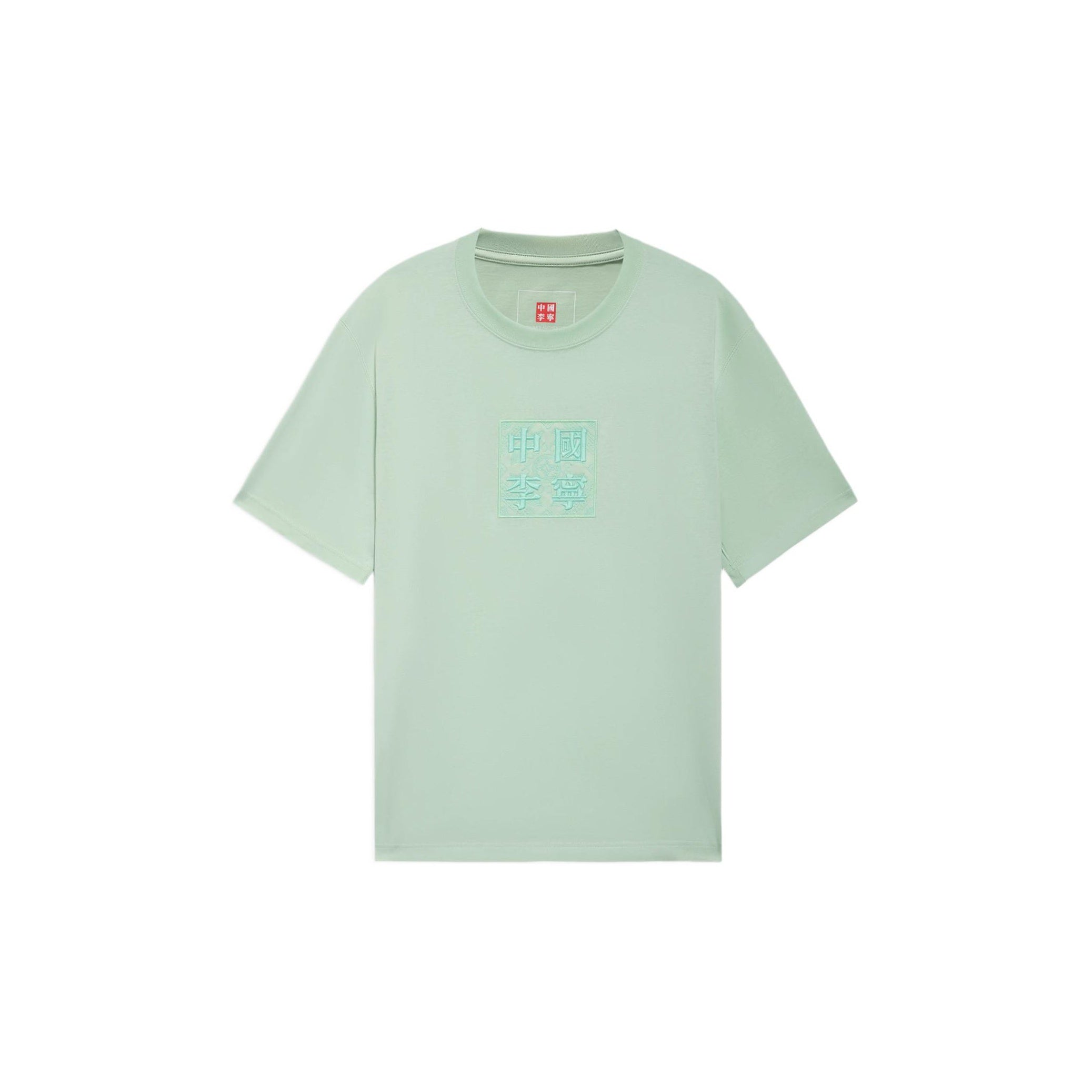
Anta has moved well beyond being the "other" option. Its basketball line has become much more serious, especially through signature models and guard-friendly builds. The KAI line, in particular, has helped put Anta into more conversations among players who care about responsiveness, style, and modern tooling.
Anta's strength is balance. A good Anta basketball shoe can give you enough cushion for regular runs, enough support for aggressive movement, and enough visual identity to stand out without relying on legacy hype. As with other imported performance brands, fit and availability are part of the buying equation.
What matters more than the logo
Traction is usually the dealbreaker
Most hoopers will forgive a shoe for being a little firmer or a little heavier than expected. They will not forgive slipping. If you play on dusty community courts, school gyms, or older hardwood, traction should be your first filter.
This is one reason many performance-focused buyers have moved toward newer Asian brands. Several of them have been more aggressive about outsole patterns and rubber coverage, while some mainstream brands have become less predictable from release to release.
Cushioning should match your body and role
More cushion is not always better. A shifty guard might prefer lower court feel and faster transitions. A player with knee pain, or someone who plays long sessions on unforgiving floors, may need more impact protection and a smoother heel-to-toe ride.
The best brand for you could be the one that gives you the right level of compression without making you feel disconnected. That is a personal equation, not a universal ranking.
Fit can make a great shoe feel terrible
A high-performance basketball shoe that does not fit your foot shape is a bad shoe for you, full stop. Narrow-footed players might love a model that wide-footed players cannot tolerate for more than one game. Some brands offer a one-to-one locked-down fit. Others need sizing adjustments or a longer break-in window.
This is where specialist retailers matter. Getting guidance on whether a model runs snug, long, or narrow can save you from a pair that looks elite online but rides badly in real life.
So which brand is best for basketball shoes right now?
If you want the safest mainstream answer, Nike is still in the conversation because of sheer variety and proven model families. If you want the strongest blend of premium build, performance focus, and standout tech, Way of Wade has a real case for the top spot. If you want technical performance with less noise and more substance, Li-Ning is right there. If you want an emerging brand with real momentum and strong signature energy, Anta is no longer a sleeper.
For a lot of serious players, the better question is not which brand is best for basketball shoes in general. It is which brand is best for your priorities.
If your list starts with traction and containment, Way of Wade and Li-Ning deserve a hard look. If you want more mainstream familiarity and easier comparison to past pairs, Nike still makes sense. If you want a modern signature line with personality and legitimate court performance, Anta belongs in the mix. If you care as much about collector value as playability, Jordan can still be part of the conversation - just be selective.
There is also the Canada factor. Not every strong performance brand is easy to find here, and not every marketplace seller is worth trusting. That is part of why dedicated basketball retailers have become more important for buyers who want authentic pairs, accurate sizing guidance, and access to models that do not sit on every general sporting goods shelf. Kicksology has built its reputation around exactly that gap.
The smartest move is to stop looking for one permanent winner. Brands go hot and cold. Model lines evolve. Tech improves. The players who end up happiest are usually the ones who shop with a clear idea of how they play, what they need underfoot, and which brands are actually delivering right now. Buy for your game, not the banner on the box.

