













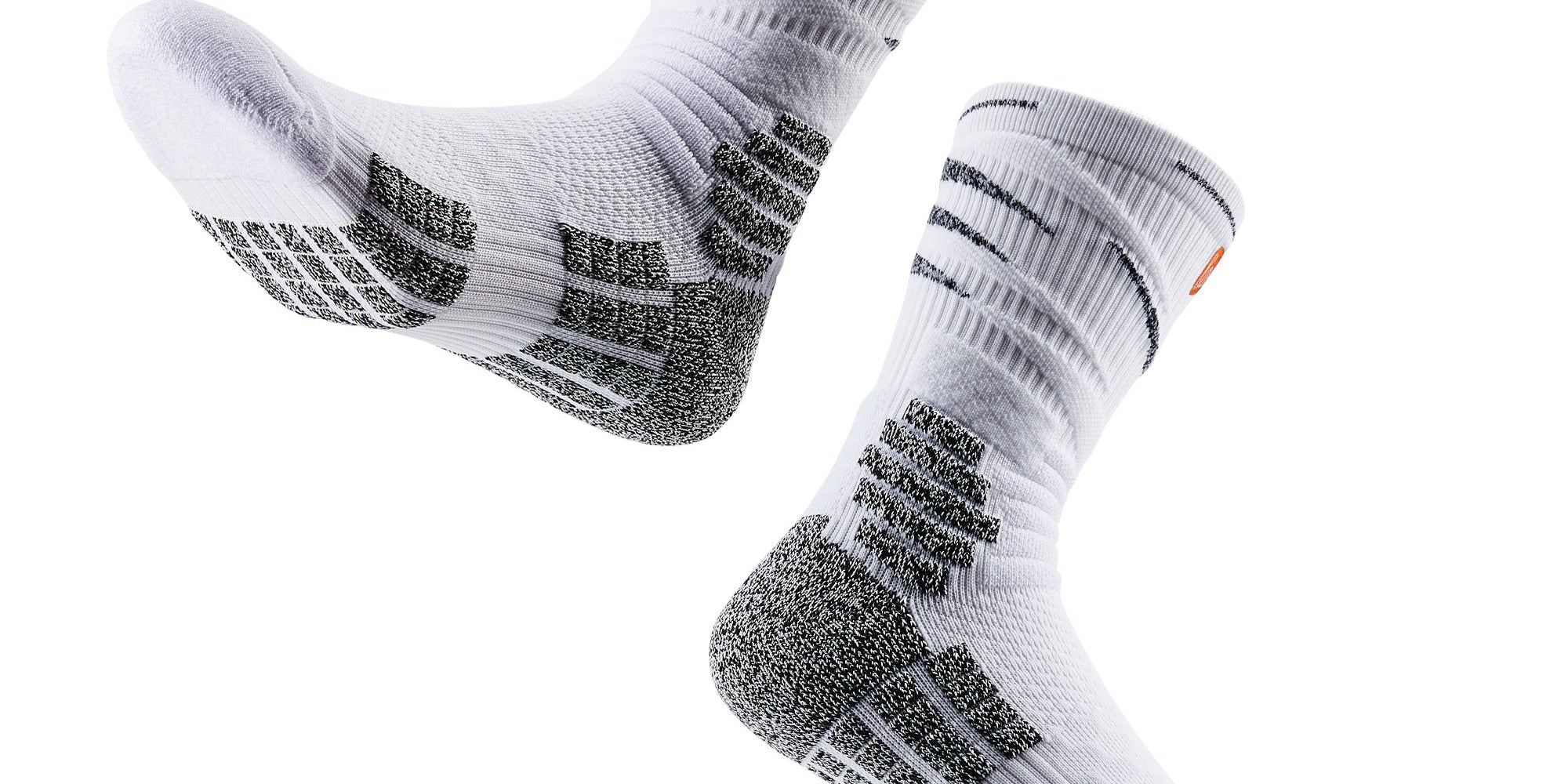
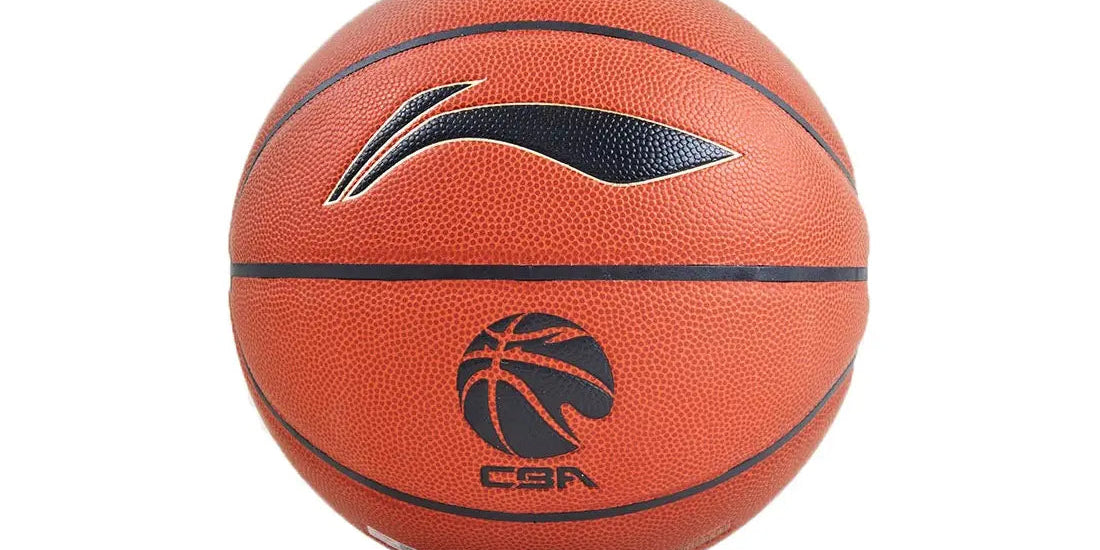

If you like the performance lane that Way of Wade occupies but want other options, the real question is what shoes to choose for volleyball players other than Way of Wade when the game gets fast, jump-heavy, and hard on your joints. The short answer is this - start with traction and containment, then match cushioning and fit to your role, body type, and court surface. That matters more than hype, and it matters more than whatever pair looked good in a post-match photo.
Volleyball shoes get judged hard on first try-on, but the better test is how they hold up through repeated jumps, lateral cuts, and awkward landings. A shoe can feel plush in-store and still lose points if the forefoot slides on takeoff or the heel gets unstable on block footwork. If you are moving away from Wade models, you want alternatives that keep the same performance-first standard.
What shoes to choose for volleyball players other than Way of Wade?
The best alternatives usually come from performance basketball lines rather than traditional volleyball-only categories. That is especially true for players who want stronger impact protection, more modern foam setups, and uppers that feel more premium than basic team shoes. The catch is that not every basketball shoe translates well to volleyball.
The pairs worth considering tend to share a few traits. They have dependable indoor traction, a stable base, solid lateral containment, and cushioning that does not feel mushy on repeated jumps. In practical terms, that puts brands like Li-Ning, Anta, SPO, Nike, and selected adidas models in the conversation.
Li-Ning is an obvious place to look if you appreciate the feel of top-tier Asian performance footwear. A lot of Li-Ning models have that same detail-oriented build quality players like in premium Wade pairs, but with a different ride. Some feel more explosive and low to the floor, while others give you a bit more underfoot protection for long sessions.
Anta also deserves real attention here. Performance-wise, several Anta basketball shoes work well for volleyball because they balance grip, court feel, and side-to-side support better than many mainstream options. For outside hitters and opposites who want a secure platform on hard plant steps, that matters.
SPO sits in a slightly different lane, but that is part of the appeal. If you are the kind of player who cares about setup, responsiveness, and trying something less common than the big-box standards, certain SPO models can feel more dialed in than entry-level volleyball shoes. They are not the automatic pick for everyone, but serious players usually appreciate the performance intent.
The features that matter more than the logo
Traction is the first filter. Volleyball is full of short, violent movement patterns - crossover steps, shuffle recoveries, hard stops, and quick transitions from defence to approach. If the outsole does not bite reliably on indoor courts, nothing else saves the shoe. A pattern that looks aggressive is not enough; you want a rubber compound that still grips when the court picks up dust.
Containment comes right after that. Volleyball is not just vertical. You are loading laterally all the time, especially if you defend aggressively or close blocks with speed. A shoe with weak sidewall support or a sloppy upper can turn a fast foot plant into a sketchy one. Good containment should feel secure without pinching the forefoot.
Cushioning is where personal preference starts to split. Some players want a more responsive, springy setup that keeps them quick off the floor. Others need more impact protection because they train often, play on unforgiving courts, or have knees and ankles that remind them after every match. Neither choice is universally better. The right call depends on how you move and how much wear your body is taking.
Weight matters, but not as much as people think. A lighter shoe can feel faster, but if it sacrifices support or shock absorption, the trade-off is not always worth it. For most volleyball players, a stable and well-balanced midweight model beats an ultra-light shoe that feels flimsy after two sets.
Fit can make or break everything above. A technically strong shoe that fits your foot badly is the wrong shoe. Players with wider feet should be especially careful with narrow, sculpted performance models. If your toes are jammed or your arch is fighting the last shape, you will notice it fast on approach jumps and landings.
Best shoe types by volleyball position
Middle blockers usually need the most forgiving blend of cushioning and stability. They are jumping constantly, landing in traffic, and moving laterally along the net. A model with a broad base and consistent heel-to-forefoot transition tends to work better than a super minimal setup. You want protection without feeling disconnected from the floor.
Outside hitters and opposites often do well in shoes that lean responsive but still offer solid impact control. These roles ask for repeated full-speed approaches, hard braking, and explosive directional changes. If the shoe is too soft, it can feel delayed on takeoff. If it is too firm, it may start punishing your legs over long sessions.
Setters usually benefit from quickness, court feel, and clean traction. They do not always need the max-cushioned option, but they do need something stable enough for constant repositioning and jump setting. A shoe that feels agile in the forefoot is often a strong match.
Liberos and defensive specialists can get away with lower-profile setups more easily than front-row players, but only if traction is excellent. Since their game is built on reaction and floor coverage, a fast-feeling shoe makes sense. Still, if you train a lot or have a history of impact-related soreness, a touch more cushioning is smart insurance.
Strong alternatives to Way of Wade for volleyball players
If you are asking what shoes to choose for volleyball players other than Way of Wade, start by looking at premium performance basketball models with a proven indoor reputation. Li-Ning pairs are often a natural step because they deliver that same high-spec feel while giving you different cushioning and fit options across model families.
Anta is another serious option, particularly for players who want a secure upper and a planted base. Some Anta performance models feel especially good for volleyball because they stay composed during side cuts and block footwork instead of folding or lagging under pressure.
Nike still has a place here, but with more variation from model to model. Some pairs are excellent crossover options for volleyball, especially when they combine elite traction with a low, stable ride. Others can feel too tall, too soft, or too dependent on a specific foot shape. With Nike, it pays to be selective rather than shopping by logo alone.
adidas can work well too, especially if you like a slightly more forgiving fit. The better court-ready adidas models for volleyball usually stand out through traction and transition rather than flashy tech claims. The miss, when it happens, is often lateral security, so that is the area to check hardest.
SPO is the choice for players who want something more niche and more tuned to performance-head preferences. It will not be the first recommendation for every buyer, but if you know the kind of ride you like and want a pair outside the usual rotation, it is a lane worth considering.
How to narrow it down fast
Start with your pain points. If your knees are taking a beating, do not shop like a libero who wants pure court feel. If your current pair feels unstable on landings, do not chase an even lower or softer shoe hoping it will somehow fix the issue. The best buying decisions usually come from solving the specific problem your current shoes are creating.
Then think about your court. Clean indoor courts let more shoes perform at their best. Dustier school gyms expose weak traction fast. A model that reviewers call great on spotless hardwood can feel average in a gym that has seen three back-to-back youth matches.
After that, be honest about fit. If you have a wider foot, look for brands and models known to accommodate it instead of trying to force a narrow performance last to work. If you wear braces or thicker socks, account for that before sizing down for a “locked-in” fit.
This is also where a specialist retailer matters. A focused shop like Kicksology tends to understand model-by-model differences in traction, fit, and ride better than a general sporting goods chain that treats every court shoe the same.
Don’t buy for one feature only
A lot of players shop backwards. They chase one foam, one pro endorsement, or one social-media favourite and ignore how the rest of the shoe performs. Volleyball punishes that approach. A shoe with elite cushioning but weak containment is still a bad volleyball shoe. So is a traction monster that leaves your legs cooked after every session.
The better move is balance. Look for a pair that gives you enough grip, enough support, enough cushioning, and the right fit for your foot. You do not need the perfect score in one category if the full package works with how you actually play.
If you are moving on from Way of Wade, that is not a downgrade by default. It is just a different fit, ride, and performance profile. The best pair is the one that lets you attack, land, and recover with confidence every point after the first wear test wears off.

