










If you have ever gone from a Nike hoop shoe to a Way of Wade pair and thought, "Why does the same tagged size feel different?" you are not imagining it. A good Way of Wade sizing example matters because these shoes are built on different lasts, different uppers, and different performance priorities than the average mall-brand basketball model.
That is the real starting point. Way of Wade sizing is not random, but it is model-specific enough that one blanket answer usually leads people straight into the wrong pair. If you are buying for game use, not just shelf appeal, getting the fit right changes everything from heel containment to toe pressure to whether the cushion actually feels stable under hard cuts.
A practical Way of Wade sizing example
Let us keep it simple with a real-world comparison. Say you wear a US 10 in Nike Kobe models and a US 10 in most modern basketball shoes with a snug, performance fit. In a Way of Wade model with a standard-to-slightly-snug build, you may still be a US 10. But if that specific Wade shoe has a narrow forefoot, a stiff upper out of the box, or a more aggressive containment shape, that same player may prefer a US 10.5.
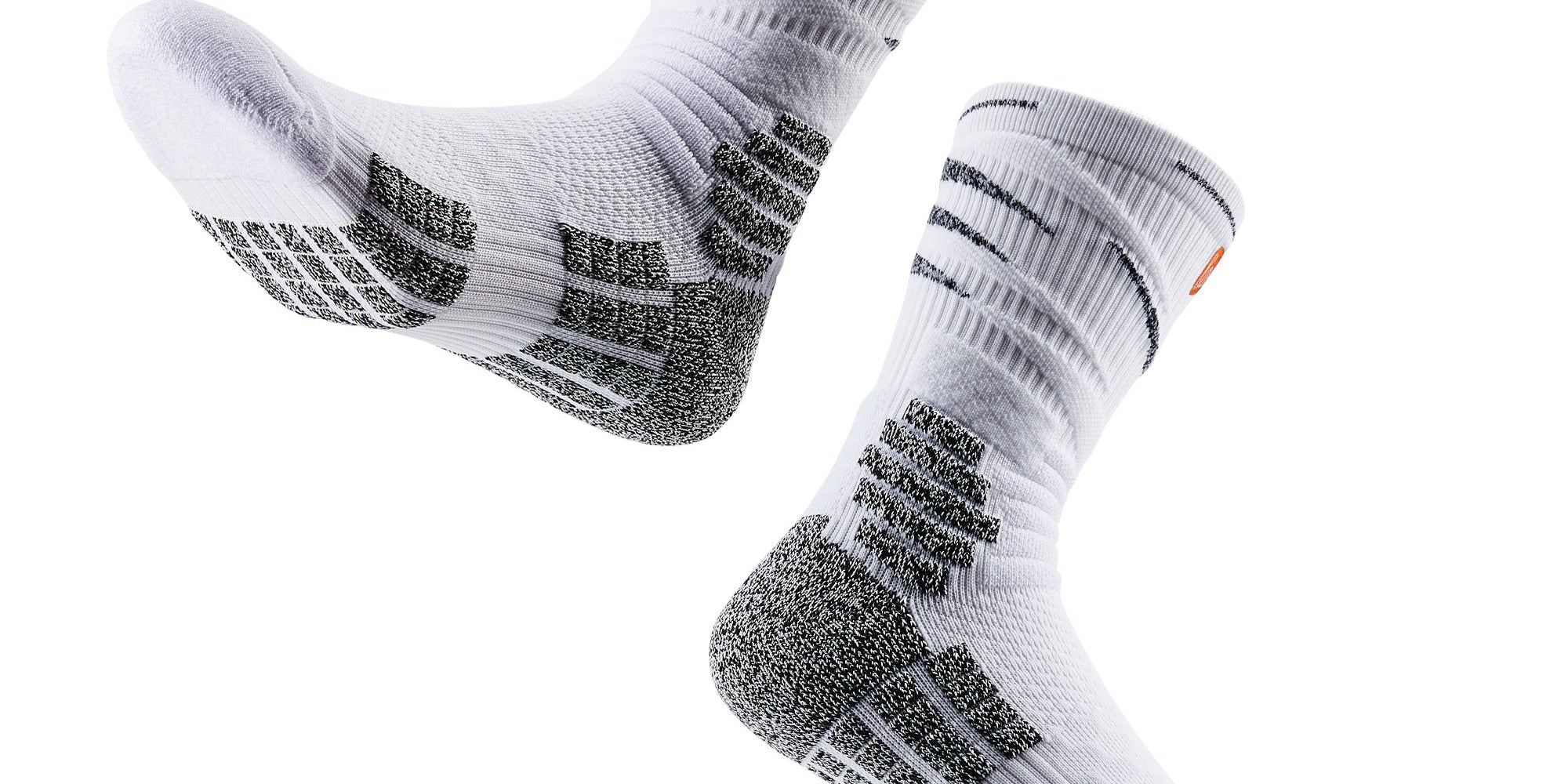
That is the core Way of Wade sizing example most buyers need to understand. Your size does not only depend on foot length. It also depends on how much width you need, how tight you like your game fit, what socks you wear, and whether you are buying a low-cut speed shoe or something more structured and supportive.
A narrow-footer who likes a race-car fit can often stay true to size in models that wider-foot players need to size up in. On the other hand, if you already find brands like Nike or Jordan snug in the toe box, going true to size in the wrong Wade model can feel great for ten minutes and rough by the second run.
Why Way of Wade sizing can feel different
Way of Wade sits in that category of performance footwear where design choices are very intentional. The brand is not just trying to make a casual lifestyle shoe with basketball styling. A lot of Wade models are tuned for containment, lateral support, and court feel, which can create a more sculpted fit.
That matters because two shoes can both be labelled US 10 and still fit very differently. One may have more vertical toe room. Another may taper harder at the forefoot. Another may feel secure through the midfoot but leave a little extra space up front. If you only shop by the number on the box, you miss the part that actually affects comfort.
Materials also play a role. Some Way of Wade uppers soften and open up after a few sessions. Others hold their structure more firmly. If a shoe is heavily reinforced for support, break-in may help a little, but it will not magically turn a too-tight pair into the right size.
The three fit questions that matter most
Before choosing a size, ask yourself three things.
First, how wide is your foot really? Not "I think I am normal width" but how your feet behave in performance shoes. If you often feel squeeze on the pinky toe or pressure at the forefoot seam, that is useful information.
Second, what kind of fit do you actually like on court? Some players want zero dead space and do not mind a snug step-in. Others need a bit more room because they play longer sessions, use thicker socks, or just hate forefoot compression.
Third, what shoe are you comparing it to? Saying "I am always a size 11" is less helpful than saying "I wear 11 in LeBron 21, 11.5 in Kobe 6 Protro, and 11 in most Adidas hoop shoes." Your baseline matters.
How to use a Way of Wade sizing example properly
The mistake most people make is copying somebody else's size without copying their foot shape or fit preference. A player saying, "I went half size up in this Wade pair" is only useful if you know whether they have a wide foot, whether they wear ankle braces, and whether they wanted a little extra room.
A better approach is to use sizing examples as a filter, not a rule. If multiple experienced wearers say a model runs snug in the forefoot, and you already know you have a broader foot, that is a strong sign to consider going up half a size. If reviews say the shoe fits true to size but has a secure, one-to-one wrap, then true to size may be right if you like a dialed-in game fit.
This is why serious buyers usually look for a pattern, not a single opinion. One comment is noise. Ten comments with the same fit note start to mean something.
Model family matters more than the logo
Not every Way of Wade shoe fits like every other Way of Wade shoe. That should be obvious, but a lot of shoppers still assume a brand-sized answer exists.
Take the broad categories. A flagship model often aims for premium lockdown, structured support, and a refined fit. A team-oriented or takedown-style model may fit a little more forgivingly, or at least differently, depending on tooling and upper build. A low-profile guard shoe can feel much tighter than a more substantial all-around model even in the same tagged size.
So if you are looking at a Wade 808, that does not automatically tell you how a Way of Wade 10, 11, or 12 will fit. The fit language can carry over a bit, but never enough to skip checking the exact model.
What true to size really means here
"True to size" gets thrown around too loosely in sneaker talk. For one buyer, it means the shoe matches their Brannock length. For another, it means the shoe feels wearable without pain. For another, it means the fit is performance-tight but acceptable.
With Way of Wade, true to size often means the internal length is in line with what you expect, but the shape may still feel more snug or more performance-oriented than mainstream alternatives. So yes, a model can technically be true to size and still feel too narrow for some players.
That is where people get tripped up. They hear "TTS" and expect easy comfort straight out of the box. Sometimes that happens. Sometimes TTS means "correct length, snug everywhere else."
A few common buyer scenarios
If you have narrow feet and like your shoes fitted for quick cuts, staying true to size is often the first move unless the model has a known tight forefoot. If you have average-width feet and prefer a close but not suffocating fit, true to size is still usually the starting point, with half a size up becoming the safer option in narrower models.
If you have wide feet, it gets more conditional. Some wider-foot players can stay true to size if the upper has enough give and they do not mind a snug break-in. Others should go up half a size immediately, especially in shoes built for compression-style lockdown.
If you wear orthotics or thicker performance socks, build that into your decision from the start. Do not buy your usual size and hope the shoe stretches around extra volume. Performance shoes are designed to hold you in place, not negotiate with your setup.
One more thing Canadian buyers should watch
Imported performance models are not the place to guess casually. Returns and exchanges can be more annoying when stock is limited, sizes move fast, or a pair is hard to replace after sellout. That is one reason buyers come to specialist retailers like Kicksology in the first place - not just for access, but because fit details matter more when the product is harder to source.
If you are between sizes, the smarter move is usually to decide based on your foot width and intended use, not optimism. A collector can live with a slightly imperfect fit. A hooper playing two-hour runs cannot.
The best way to think about Way of Wade sizing
Think of sizing as part of the performance setup, not an afterthought. The right size should keep your foot centred over the platform, prevent wasteful movement inside the shoe, and avoid pressure points that distract you during play. If the fit is off, even elite traction and cushion will not feel right.
So when you look for a Way of Wade sizing example, do not just ask what size someone bought. Ask what they usually wear, how their foot is shaped, and whether they wanted comfort or containment first. That is how you turn random sizing chatter into a useful buying decision.
The best pair is not the one that looks right on paper. It is the one that fits your foot, your game, and your tolerance for snugness the moment the laces are pulled tight.

