





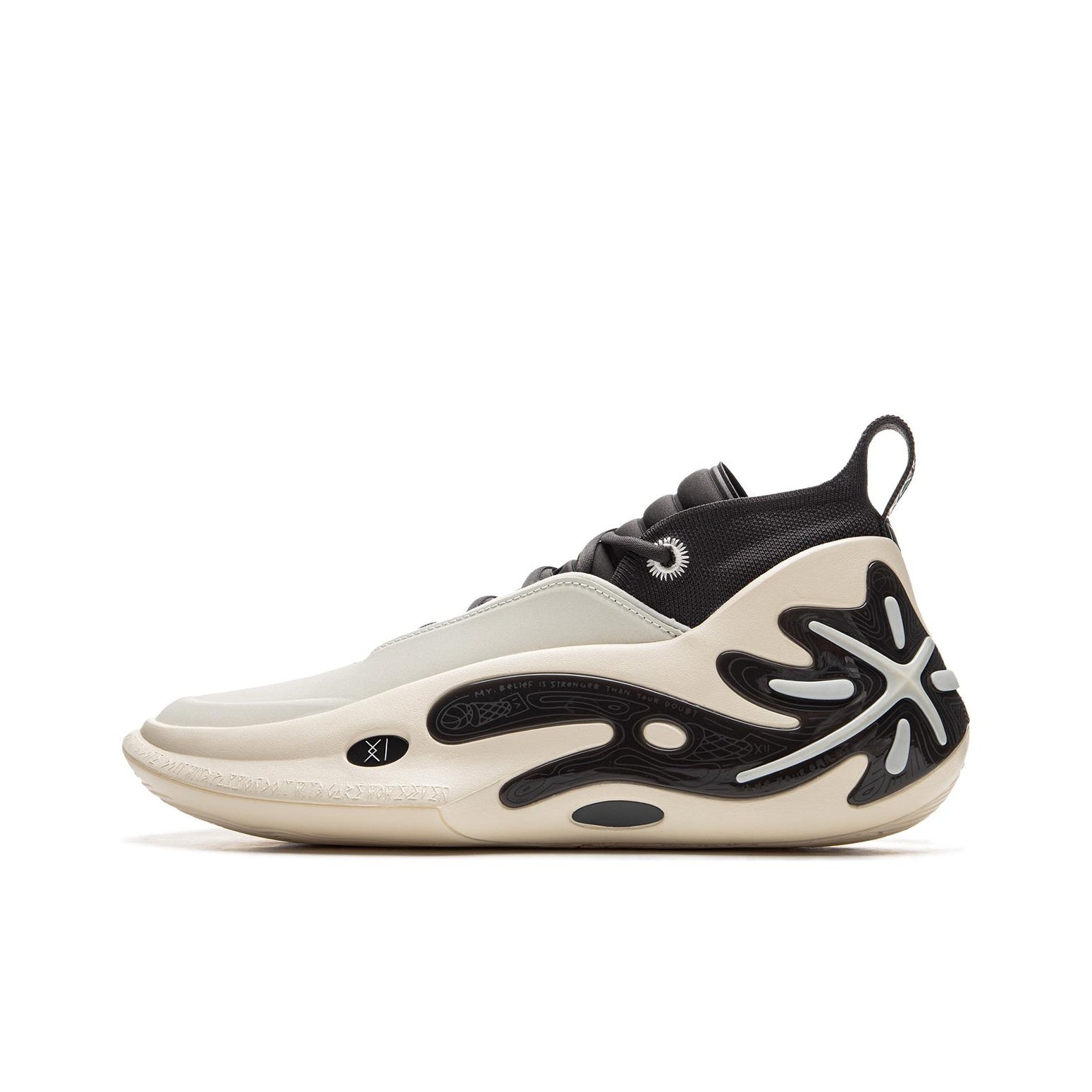









One bad slide on a dusty court will tell you more about volleyball shoes than any spec sheet ever could. If your pair feels late on first step reactions, unstable on landings, or dead underfoot by the third set, you are not just dealing with comfort issues - you are giving away performance.
Volleyball is brutally demanding on footwear in a very specific way. The sport asks for explosive lateral movement, repeat jumping, hard stops, and quick recovery into the next play. That means the best pair is not simply the lightest shoe on the wall or the one with the most foam. It has to match how you move, what position you play, and what kind of court you are on most often.
What volleyball shoes need to do well
The first job is traction. Volleyball happens in short, sharp movements, and those movements fall apart fast if your outsole cannot grip a clean or slightly dusty indoor court. Good traction is not just about stopping. It is also about pushing off with confidence when you need to close a block, attack from the pin, or react to a tip.
The second job is containment. A volleyball shoe should keep you centred over the foot during lateral cuts and awkward landings. That usually comes from a combination of upper structure, heel lockdown, and a base that feels stable rather than tippy. Players often focus on cushioning first, but too much softness without control can make a shoe feel vague when the rally speeds up.
The third job is impact protection. Volleyball players jump a lot, but the landings matter just as much as the takeoffs. If you are playing several times a week, weak cushioning catches up with you in your knees, ankles, and lower back. The right setup does not need to feel plush. It needs to absorb impact without slowing your response.
Volleyball shoes vs basketball shoes
A lot of players ask whether they can just wear basketball models. The honest answer is yes, sometimes - but it depends on the shoe.
Many modern basketball shoes work extremely well for volleyball because they offer elite traction, strong lateral containment, and advanced cushioning. That is one reason serious players often look beyond traditional volleyball-only lines, especially when they want premium performance tech or harder-to-find models from brands that mainstream Canadian chains do not usually carry.
Still, not every basketball shoe translates cleanly. Some sit too high off the ground, some are built more for straight-line force than constant side-to-side play, and some feel too heavy over a long match. For volleyball, the sweet spot is usually a shoe that balances court feel with impact protection and has a stable platform on landings.
How to choose volleyball shoes for your position
Position matters more than most people think. A libero and a middle are not asking the same thing from a shoe, even if both need traction and support.
For liberos and defensive specialists
If you live in the backcourt, speed and floor feel usually matter most. You want a shoe that feels quick on the first move and low enough to the ground that defensive reactions stay natural. A bulky setup can make you feel half a beat slow when you are reading serve receive or chasing a deflection.
That does not mean stripped-down at all costs. If the shoe is too minimal, long sessions can feel harsh. The better option is responsive cushioning with a secure fit and clean court connection.
For setters and right sides
Setters need balance more than hype features. You are constantly transitioning, planting, and getting into position under pressure. A stable base, reliable traction, and a fit that locks the heel in place matter more than an exaggeratedly soft ride.
Right sides often benefit from that same all-around profile, especially if they are involved in frequent blocking and need confidence on lateral movement near the net.
For outsides and middles
Frequent jumpers need more impact protection, but not at the cost of stability. Outsides cover a lot of ground and absorb repeated landings, while middles are often taking off and coming down in traffic. In both cases, volleyball shoes should feel secure during lateral moves and controlled on awkward contact near the net.
A softer, bouncier midsole can feel great in the first few minutes. The real question is whether it still feels stable in the fourth set.
Fit is where good shoes become great shoes
Players love talking traction patterns and foam setups, but fit is still the detail that makes or breaks a pair. If your foot slides inside the shoe, the traction underneath almost does not matter. You are losing response before the outsole even gets a chance to work.
A proper volleyball fit should feel secure through the heel and midfoot, with enough room in the toe box that you are not jamming your toes on hard stops. Some players prefer a one-to-one performance fit, while others need a touch more width or volume for comfort over long sessions. Neither is wrong. The key is honest sizing.
This is especially important when you are looking at imported or niche performance brands. Different lasts can fit very differently from mainstream North American models. Some run snug and race-ready. Others feel more accommodating through the forefoot. If you already know that you have a wide foot, high instep, or a history of heel slippage, use that information early instead of trying to force a mismatch.
The four details serious players should check
If you are narrowing down options, focus on four things first: traction pattern, midsole feel, torsional support, and upper containment.
Traction pattern tells you how the shoe wants to bite the floor. Some setups are aggressive and stop hard, while others feel smoother and more fluid. If you play on dusty community courts, traction quality becomes even more important because average rubber gets exposed quickly.
Midsole feel is about more than softness. Some cushioning systems feel springy and fast, while others are tuned more for impact dampening. Volleyball players usually do best with a setup that gives some protection without disconnecting them from the court.
Torsional support is the piece many casual buyers miss. A shoe that twists too easily through the middle can feel unstable during quick direction changes. Good torsional rigidity helps the shoe stay composed when movement gets chaotic.
Upper containment is what keeps everything together. Strong materials, sidewall support, and a well-shaped heel counter all help reduce internal movement. This is a big deal for players who cut hard or land slightly off balance.
When premium models are worth it
Not every player needs a top-tier pair, but premium volleyball shoes or crossover basketball models can absolutely be worth the money if you play often. Better materials usually hold containment longer. Better foam keeps its performance deeper into the life of the shoe. Better outsole compounds tend to stay more reliable as the court conditions get worse.
This is where specialist retailers have an edge. If you are shopping performance-first rather than just buying whatever is easiest to find, access matters. Canadian players already know how limited the market can be when you want authentic, niche models with real on-court credibility instead of watered-down team shoes.
That is why players who care about fit, cushioning, and traction often end up looking at curated performance lines rather than mass-market shelves. Kicksology sits in that lane for a reason.
Common mistakes when buying volleyball shoes
The biggest mistake is choosing based on looks alone. A strong colourway is a bonus, not a performance feature. If the fit is off or the platform feels unstable for your movement style, the shoe will get exposed fast.
The second mistake is overvaluing softness. A plush step-in feel can be misleading. Volleyball is not casual wear, and the shoe that feels amazing standing still may feel delayed and unstable once you are cutting and landing at full speed.
The third mistake is ignoring your playing environment. If you mostly play on cleaner club courts, you can get away with more outsole options. If your runs are on dustier school or rec surfaces, traction consistency should move way up your priority list.
How to know it is time to replace them
Performance shoes do not have to be visibly destroyed to be done. If the traction suddenly feels less trustworthy, the cushioning feels flat, or the upper no longer holds you in place during hard cuts, the shoe is probably past its best stage.
This happens gradually, which is why many players adjust without noticing. You start slipping a little more, your legs feel heavier after sessions, and your confidence on landings drops. That is usually the shoe talking.
The right pair of volleyball shoes should make your movement feel cleaner, not louder. When the fit is dialed, the traction is dependable, and the platform matches your role, you stop thinking about your feet and start reading the game faster. That is usually the sign you got the choice right.

