












If you’ve ever tried shopping for volleyball shoes Canada players actually want, you already know the problem. The mainstream options are usually narrow, repetitive, or sold out in the sizes that matter, and the best-performing pairs often feel easier to spot on someone else’s feet than on a Canadian product page.
That gap is why volleyball footwear has become a more informed buy. Players are paying closer attention to traction pattern, court feel, midsole response, upper containment, and brand-specific fit instead of grabbing whatever sits in the indoor court section. If you play seriously, the right shoe changes how confidently you plant, jump, and recover through long rallies.
Why volleyball shoes Canada shoppers need a sharper filter
Volleyball demands more from a shoe than people outside the sport realize. You’re not just moving forward and back. You’re shuffling laterally, stopping hard, loading into jumps, landing repeatedly, and reacting in tight space. A pair that feels fine for light gym use can start breaking down fast once the match gets faster.
That’s also why a lot of players end up looking beyond traditional volleyball-only models. Performance basketball shoes, especially low and mid-top pairs built for quick guards, have become a real option for volleyball athletes who want stronger cushioning, better lateral support, or access to newer foam setups. It’s not a gimmick. The movement patterns overlap enough that the right basketball shoe can work extremely well on an indoor court.
The trade-off is that not every hoop shoe translates cleanly. Some sit too high, feel too bulky through transitions, or use outsole compounds that don’t stay consistent on dusty gym floors. So the question is less volleyball versus basketball, and more whether the shoe matches how you move.
What matters most in volleyball shoes
Traction is still the first box to check. Volleyball is full of sudden directional changes, and when grip goes, confidence goes with it. A good indoor outsole should bite without feeling sticky to the point that your foot gets hung up on rotational movements. On cleaner courts, many patterns feel good. On dusty community gyms or school courts, the gap between decent traction and reliable traction gets obvious fast.
Cushioning comes next, but not every player needs the same setup. Middles and opposites who jump and land constantly may want more impact protection under the heel and forefoot. Liberos and defensive specialists often prefer a lower, quicker ride with more court feel. There’s no universal best answer here. Softer isn’t automatically better if it makes the shoe unstable on lateral pushes.
Containment is where strong models separate themselves. Volleyball shoes need to keep the foot centred during side-to-side movement without forcing an overly stiff break-in. That usually comes from a mix of upper materials, lacing structure, sidewall support, and heel lockdown. If your foot slides inside the shoe, traction and cushioning can both feel worse than they actually are.
Fit is the detail people underestimate. A technically great shoe that runs too narrow, too short, or too shallow in the toe box can become a bad buy in one training session. Different brands build on noticeably different lasts, and that matters even more when you’re buying harder-to-find models.
Volleyball shoes Canada buyers should consider beyond the usual brands
For years, Canadian shoppers were pushed toward the same few indoor court names. That’s changing. More players are now looking at premium performance lines from brands that built a reputation through basketball but deliver serious on-court value for volleyball too.
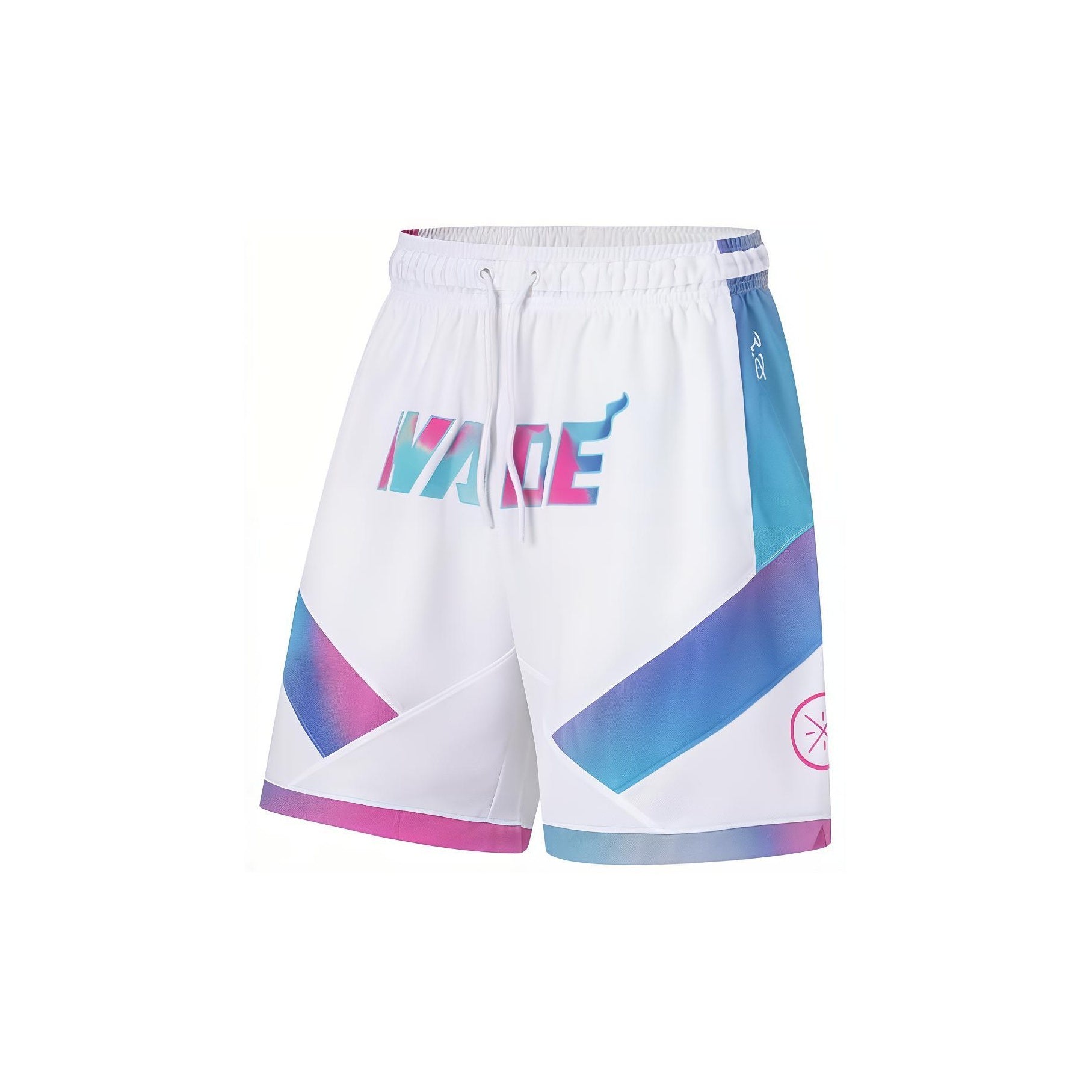
Way of Wade is one of the clearest examples. Models in the Wade line are often built with aggressive traction, premium cushioning compounds, and a level of design detail that feels far more considered than generic team shoes. For volleyball players, certain Wade models stand out because they combine impact protection with quick transitions instead of forcing one at the expense of the other.
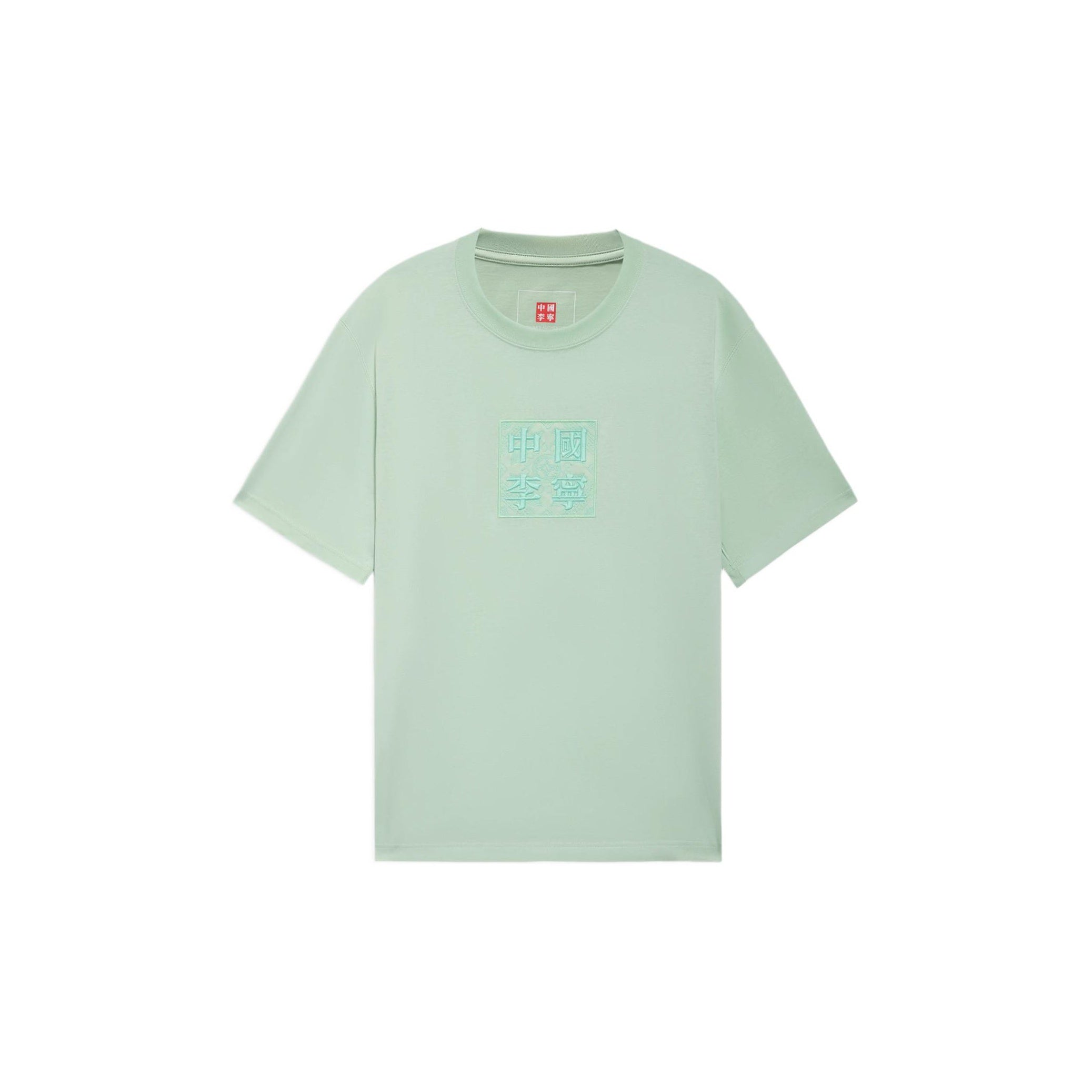
Li-Ning has also become a strong conversation in this space, especially for athletes who want modern foam technology and a more tuned performance feel. The brand tends to appeal to players who care about responsiveness and build quality, not just logo familiarity.
Anta belongs in that same discussion. Some of its performance pairs offer a stable platform and strong lockdown that can translate really well to volleyball movement. If your game leans explosive and lateral, that kind of structure matters.
Then there’s SPO, which attracts players who want a more niche performance option and are willing to shop with intent instead of following the safest mainstream choice. These are the kinds of brands that serious buyers start watching once they realize the usual retail wall isn’t showing the full market.
Should volleyball players wear basketball shoes?
Sometimes yes, and sometimes absolutely not. The best basketball shoes for volleyball usually share a few traits: low-to-the-ground stability, dependable indoor traction, secure lateral containment, and cushioning that protects landings without making the ride mushy.
This is why guard-style basketball shoes tend to convert better for volleyball than bulkier pairs built for straight-line power. A fast, reactive hoop shoe can feel excellent for pin hitters, setters, and defensive players who need clean footwork and quick resets. In some cases, it performs better than a traditional volleyball model, especially if you want more premium materials or modern midsole tech.
But there are limits. A basketball shoe with a very high stack, a rounded unstable base, or a traction setup that struggles with dust may look great on paper and still feel off in a volleyball setting. The safest move is to judge the actual performance profile, not the category label.
How to choose based on your position and play style
Your role on court should shape the kind of shoe you chase. Hitters who spend a lot of time loading into approach jumps usually benefit from a bit more impact protection and a secure forefoot. You want enough bounce and cushion to manage repeated takeoffs and landings, but not so much softness that you lose confidence planting wide.
Setters often prefer a balanced shoe. Quick first steps, stable transitions, and reliable traction matter more than max cushioning. Since setters are constantly changing direction and getting to the ball from awkward positions, the shoe has to feel connected to the floor.
Liberos and defensive specialists usually lean toward lighter, more agile models. Court feel and freedom of movement are huge here. A heavy or overbuilt shoe can start to feel like extra baggage once you’re reading tips, digging hard-driven balls, and moving laterally for long stretches.
If you’re an all-around player who rotates through multiple demands, aim for balance instead of extremes. The best pair is often the one with no glaring weakness.
Fit, sizing, and availability in Canada
This is where many good purchases go sideways. Imported and niche performance footwear can fit differently from what most Canadian buyers are used to, especially if you’ve spent years in the same mainstream brand. Some pairs fit snug through the forefoot, others run long, and some need a break-in before the upper really settles.
That makes sizing info more valuable than hype. Before buying, think honestly about your foot shape, not just your usual number. Wide forefoot players, high insteps, and people who wear thicker volleyball socks can all end up needing a different size choice than they expected.
Availability is another real factor. Hard-to-find models often move quickly, especially in common men’s and women’s sizes. If you wait too long on a pair that fits your performance needs, there’s a good chance you’ll be left choosing between the wrong size and the wrong shoe.
That’s one reason specialist retailers matter more in this category. A focused shop like Kicksology can make more sense than a broad sporting goods chain when you’re trying to find authentic, premium indoor court footwear that Canadian buyers usually struggle to source.
Price versus performance
Not every expensive shoe is worth it, and not every cheaper pair is a compromise. The better question is what you’re paying for. Premium models usually justify the price through better foam compounds, stronger containment, cleaner traction performance, and more refined construction. If you play multiple times a week, those upgrades can be very noticeable.
Still, there’s a point where paying extra is more about rarity, limited release appeal, or collector crossover than direct on-court benefit. If your main goal is performance, buy for traction, fit, and movement profile first. Colourway and hype should stay secondary unless you already know the model works for you.
For frequent players, a higher upfront price can actually be the smarter buy if the shoe keeps its grip and support longer. A cheaper pair that feels dead after a month of hard use isn’t really the bargain it looked like.
The smart way to shop volleyball shoes Canada players can trust
Start with your actual needs, not the loudest release. Ask whether you need more impact protection, more court feel, or better lockdown on lateral cuts. Then narrow your search to models that fit that answer.
From there, pay attention to fit notes, outsole design, and how the shoe is built underfoot. If you already know a brand works for your foot, that’s useful. If you’re moving into newer labels like Way of Wade, Li-Ning, Anta, or SPO, treat sizing and performance details seriously because that’s where the best buys are separated from the expensive mistakes.
The good news is that the Canadian market is better than it used to be. You no longer have to settle for whatever indoor pair happens to be sitting on a shelf. If you shop with a clear performance lens, there are now far more serious options available.
A strong volleyball shoe should make you feel faster to the ball, more stable on the plant, and more confident on the landing. Once you find that, you stop shopping by category and start shopping by performance, which is exactly where the right pair usually shows up.

