










Low top basketball shoes are not automatically the fast-player option, and high tops are not automatically more supportive. That debate has lasted longer than most signature lines. What matters on court is how the shoe locks your foot over the platform, how reliably it grips your usual surface, and whether its cushioning lets you play hard without losing your feel for the floor.
For guards, wings, volleyball athletes, and anyone who changes direction constantly, a great low top can feel connected, quick, and completely secure. A bad one can leave your heel floating, your forefoot sliding over the sidewall, and your confidence gone by the second hard cut. The collar height is only one part of a much bigger performance equation.
Why low top basketball shoes remain a serious option
The main appeal is freedom around the ankle. A lower collar removes material from that area and can make a shoe feel less restrictive during sprints, shuffles, jumps, and quick changes of direction. It can also reduce bulk, although low-cut construction alone does not guarantee a lightweight shoe. A low top with thick foam, a wide base, and heavy upper reinforcement may still feel substantial.
The bigger benefit is often court feel. Many low-profile models place your foot closer to the ground, helping you sense your foot placement and react faster on hard plants. That is why low cuts have stayed popular with quick guards and players who prefer a more natural, mobile setup.
But ankle support is frequently misunderstood. A shoe collar does not prevent every ankle roll simply by rising higher on the leg. Real stability comes from lateral containment, a secure heel counter, a supportive midfoot, a stable base, and an outsole that does not let you slide past the edge of the platform. If you have a history of ankle injuries, a well-fitted low top plus a brace can be a better answer than relying on a tall collar that still fits loosely.
The performance checks that matter most
A low top earns its place in your rotation when the entire chassis works together. Before getting caught up in a colourway, a player signature, or a foam name, look closely at these details.
Traction has to match your court
Traction is the first thing that should work, especially in Canada where gym conditions can change from one run to the next. Clean hardwood, dusty school courts, polished community-centre floors, and outdoor blacktop all put different demands on rubber.
A deep, widely spaced pattern can handle dust well because it gives debris somewhere to go. Tighter patterns can feel exceptional on clean courts but may need more frequent wiping. Rubber compound matters as much as the tread shape. Softer rubber often bites harder indoors, while durable rubber is usually the safer choice for outdoor players who do not want to burn through a pair in a few weeks.
Do not assume translucent rubber will perform the same as solid rubber in every colourway. Formula changes happen, and visual preference should always come after grip. If your game depends on hard decelerations, a traction setup that stays predictable after an hour of play is worth more than a shoe that looks fast in photos.
Containment is the low-top deal-breaker
Containment is what keeps your foot centred when you push laterally. In low top basketball shoes, it is the detail that separates a mobile feel from an unstable one.
Look for a firm sidewall around the forefoot, especially on the lateral side. This raised edge helps stop the foot from spilling over during a crossover, defensive slide, or sharp closeout. Strong uppers, well-placed overlays, and a midfoot shank or plate can add structure without making the shoe feel stiff from heel to toe.
The heel should also lock down immediately. You should not be able to lift your heel significantly when you jog, stop, and change direction. A padded collar can feel comfortable in-store while still failing to hold the rearfoot in place. Test the lockdown with the laces fully tightened, not loosely tied the way a pair might arrive out of the box.
Players with narrow feet often benefit from uppers that can be cinched down through multiple eyelets. Wider-foot players should look for a naturally accommodating forefoot rather than forcing a narrow shoe to work. Cramping your toes to get lateral security is not a performance solution.
Cushioning should serve your game, not overwhelm it
There is no single best cushioning setup. It depends on your build, position, playing frequency, and how much court feel you want.
Lower-profile foam setups tend to feel quicker and more stable. They suit athletes who want instant response on cuts and do not need a heavily padded ride. A shoe with more foam or a larger cushioning unit can provide better impact protection for bigger players, frequent jumpers, or anyone whose knees and legs feel beat up after long sessions. The trade-off can be added height, weight, or a slightly less grounded feel.
The right question is not whether a shoe has the softest foam. Ask whether it stays stable when you land off balance, whether it rebounds well over a full run, and whether it feels controlled when you load into a jump. Soft without structure can become sloppy. Firm without impact protection can become punishing.
Fit low tops for basketball, not for a mirror
Performance fit should be snug through the heel and midfoot, with enough room at the toe box for natural toe splay. Your longest toe needs a small amount of space in front of it, but your foot should not move forward when you stop hard. That forward slide is a common cause of black toenails and a sign that the length, width, or lacing setup is wrong.
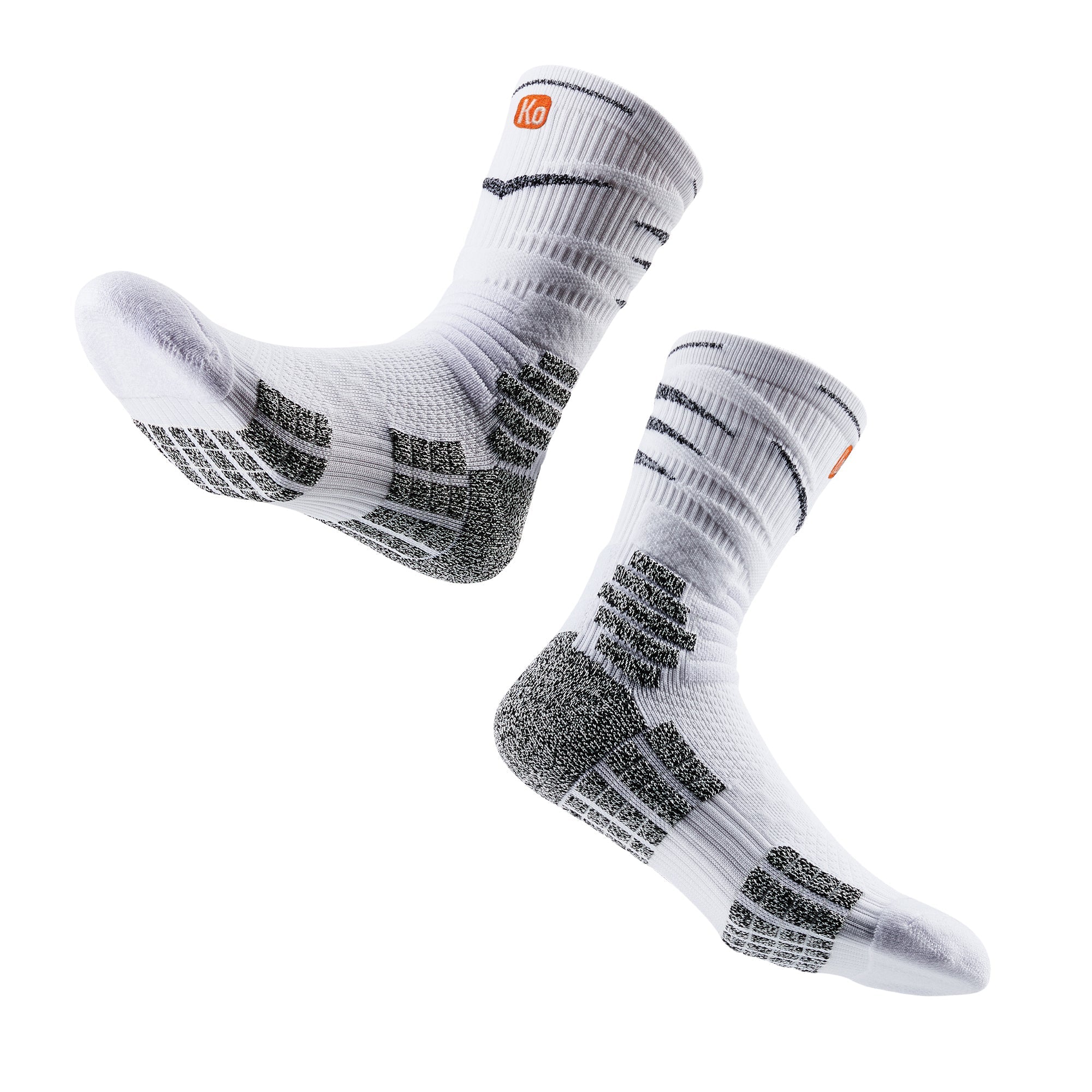
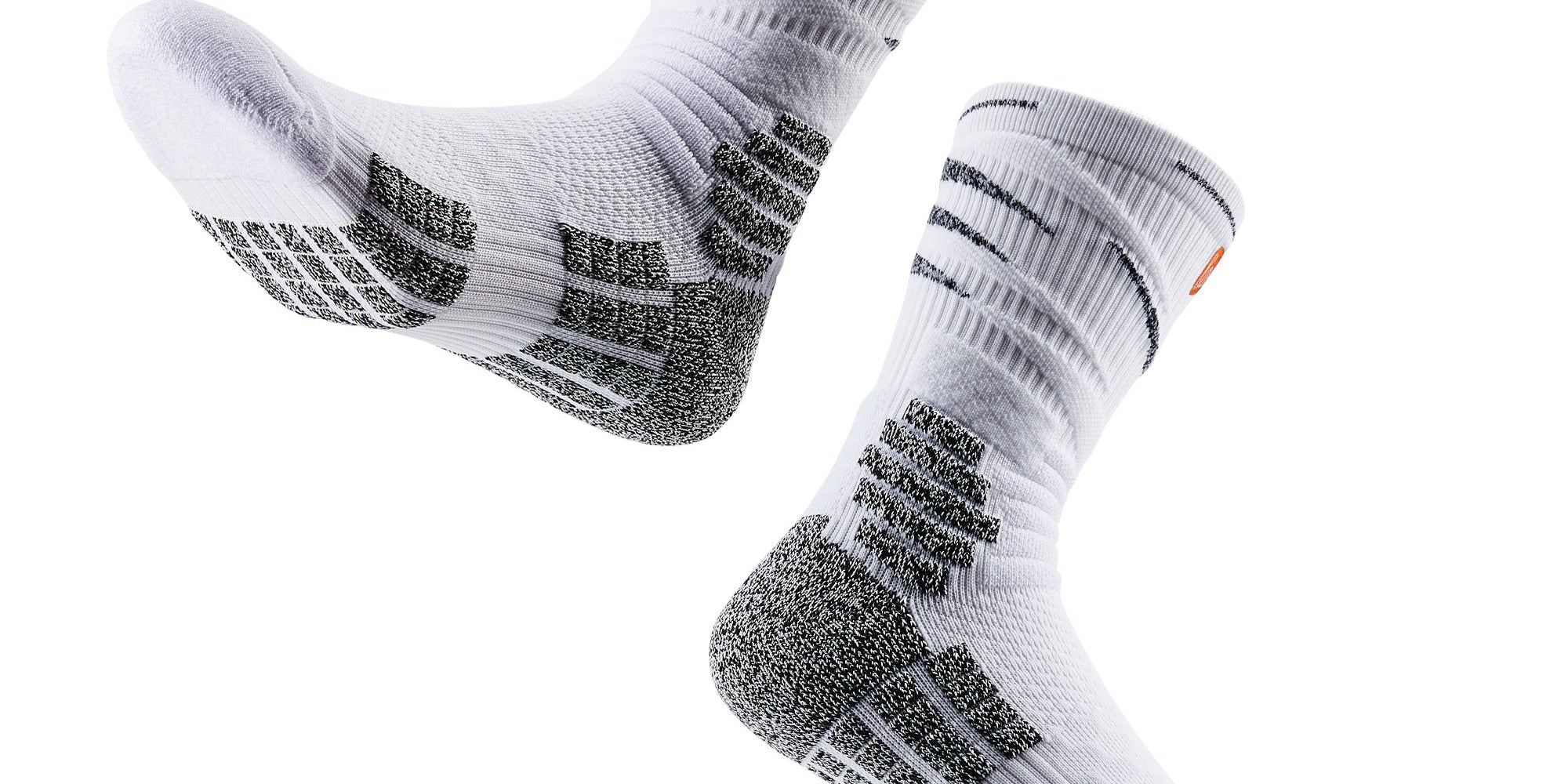
Try shoes with the socks you actually hoop in. If you wear an ankle brace, test with it from the start. A low top that feels perfect in a thin lifestyle sock may become too tight with the gear you use during league night.
Sizing can vary noticeably across premium imported basketball brands. Do not treat your size in one familiar North American model as a universal rule. Read model-specific fit guidance, account for your foot width, and remember that materials can change even within the same franchise. A knit or mesh upper may relax differently from reinforced textile or synthetic material.
For players between sizes, the choice comes down to shape and intended use. Going up can protect toe room but may compromise heel lockdown. Staying true to size can preserve containment but create pressure across a wide forefoot. There is no shortcut here: the best size is the one that stays planted through game-speed movement.
Who should wear a low top?
Low tops make sense for more than point guards. They are a strong choice for wings who cover space defensively, shifty scorers who live off change of pace, and volleyball players who want a stable, low-to-the-ground platform for approach jumps and lateral coverage. They can also work for bigger athletes when the shoe has a wide base, substantial cushioning, and strong sidewall support.
If you are returning from an ankle injury, the decision needs more care. Your physio or clinician should guide the recovery plan, while the shoe should provide dependable fit and stability. A brace may be appropriate for some players. Do not buy a higher collar expecting it to replace rehabilitation, strength work, or proper return-to-play progression.
Court role matters, but personal preference still matters more. Some players want a minimal shoe for maximum speed. Others need more cushioning for multiple weekly runs. The best low top is not the one your favourite player wears. It is the one that lets you attack, land, stop, and defend without thinking about your feet.
Building a rotation that makes sense
One pair does not need to handle every court, season, and workout. If you play indoors most of the time, prioritize grip and a rubber compound made for hardwood. If you also run outdoor games, keep a tougher outsole in rotation. If your legs are fresh for league games but sore after long training sessions, a more protective option can earn its place beside a quicker, lower-profile pair.
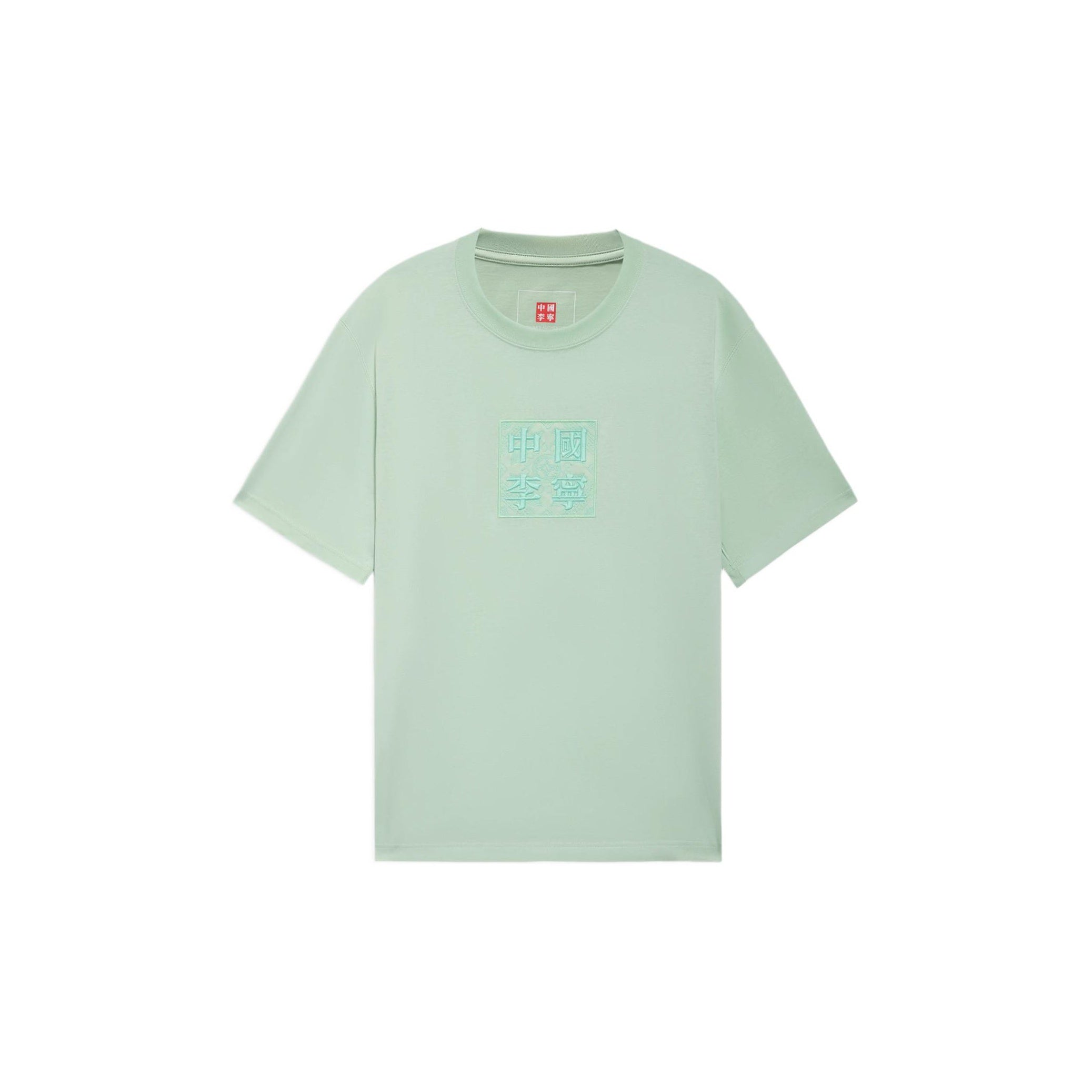
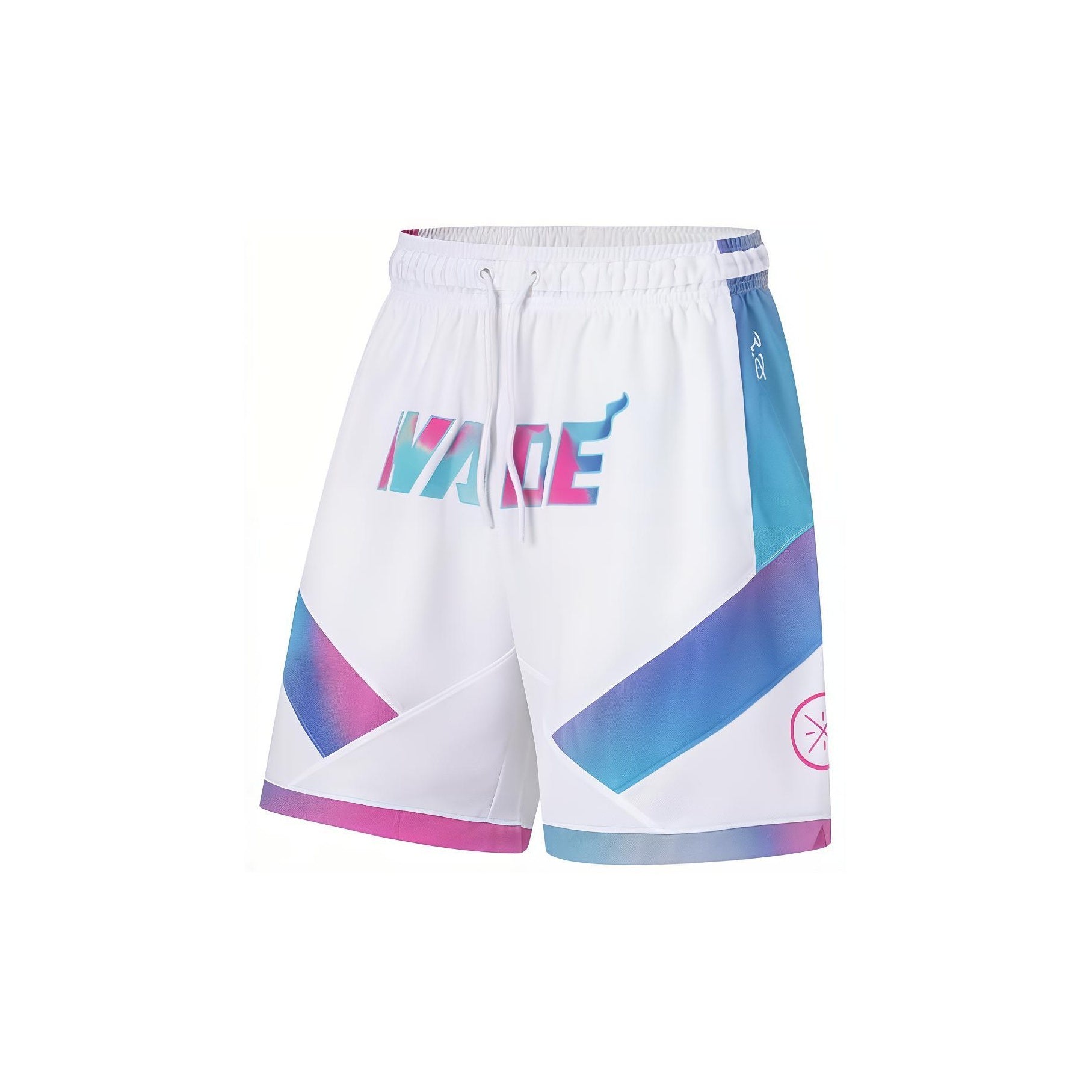
This is where specialized models are worth considering. Lines from Way of Wade, Li-Ning, Anta, and SPO have pushed serious cushioning, traction, and containment options beyond the usual mall selection. Kicksology focuses on these harder-to-source performance pairs because players deserve choices built for how they actually move, not just what is easiest to find.
A low top should feel like an extension of your movement, not a compromise you make for style. Start with fit, demand traction you trust, and choose the cushioning level your body needs. Once those pieces are right, the right colourway is the easy part.

