







If you’ve been rotating the same mainstream pairs for years, the Li Ning vs Adidas debate gets interesting fast. One brand still owns huge shelf space and instant name recognition. The other has built serious credibility with hoopers and volleyball players who care less about hype alone and more about traction, cushioning setup, fit, and whether a shoe actually holds up through hard sessions.
This comparison matters because the gap is not simply old giant versus new challenger. Li Ning has moved well past being the “alternative” pick. In performance circles, especially if you follow signature lines, imported models, and tech-heavy builds, Li Ning now sits in conversations that used to be reserved for the biggest global names. Adidas still brings proven franchises, cleaner accessibility, and a broader range of entry points. So the better choice depends on how you play, what you value underfoot, and how picky you are about fit and ride.
Li Ning vs Adidas for on-court feel
The quickest way to separate these brands is by how their shoes feel in motion. Adidas performance models often lean into familiar comfort with a smoother break-in. Even when the setup is built for speed, many Adidas pairs feel more approachable right out of the box. The platform tends to be predictable, and that matters for players who do not want surprises after one wear.
Li Ning usually feels more tuned. That can be a good thing or a frustrating thing depending on your expectations. The brand has made a name with setups that feel more deliberate underfoot - lower-to-the-ground where it matters, stable through hard cuts, and often firmer in a way that competitive players appreciate after a few runs. Some Li Ning pairs feel engineered around explosive movement rather than casual comfort. If you like a shoe that tells you exactly where your foot is on every step, that’s a real advantage.
For basketball, that often means Li Ning can feel more performance-first, while Adidas can feel easier to wear across more sessions and more player types. For volleyball, where confidence in stopping and lateral support is huge, both can work well, but the finer details of outsole bite and base stability matter more than brand name alone.
Cushioning: bounce versus control
Adidas cushioning tends to be more familiar
Adidas has long built its reputation on comfort-forward foam systems. Depending on the model, you may get a ride that feels plush, springy, or slightly elevated off the court. For some players, especially wings and casual indoor athletes, that comfort translates well over long runs. If your knees appreciate a little extra forgiveness, Adidas often makes a strong first impression.
The trade-off is that not every player wants a soft or lifted ride. More cushioning can sometimes mean less court feel, and not every Adidas model balances impact protection with lateral containment equally well. If your game relies on sharp direction changes and you hate any hint of instability, you have to choose carefully within the line.
Li Ning cushioning is often more performance-tuned
Li Ning has pushed advanced foam and plate combinations aggressively, and the result is often a ride that feels more structured. You still get impact protection, but it is often packaged with better responsiveness and a stronger sense of control. In higher-end models, that balance is where Li Ning really earns respect. The cushioning is not there just to feel soft in the store. It is there to work during repeated takeoffs, hard plants, and lateral recovery.
That does mean some Li Ning shoes will feel firmer at first try-on. For players used to step-in softness, that can read as less comfortable. On court, though, firmer does not always mean worse. Often it means more efficient.
Traction is where Li Ning has gained serious ground
In the Li Ning vs Adidas conversation, traction is one of the biggest swing categories. Adidas has produced strong traction setups over the years, but consistency across models can vary. Some pairs bite extremely well. Others depend more on court condition than players would like, especially when dust enters the picture.
Li Ning, especially in its better-known performance lines, has built a strong reputation for dependable grip. Serious hoopers notice when a shoe lets them load into a move without hesitation. Volleyball players notice it even faster. A clean stop, a quick plant, and confidence during lateral transitions can make a shoe feel worth the premium.
That does not mean every Li Ning outsole beats every Adidas outsole. It means Li Ning is no longer the underdog in this category. In many cases, it is the brand players actively seek out because traction is the priority.
Fit and sizing: the category that decides everything
Adidas is usually easier for first-time buyers
Adidas tends to be more familiar for Canadian buyers because so many players already know how the brand fits. There is usually less guesswork if you have worn Adidas before, and that lowers the risk when ordering online. Width, length, and shape still vary by model, but the learning curve is lighter.
Li Ning can reward the right foot shape
Li Ning fit is where the conversation gets more specific. Some models fit snug and performance-oriented, with secure containment that aggressive players love. Others can feel narrower or more sculpted than what mainstream buyers expect. If you have a wide foot or prefer extra room in the toe box, you cannot assume every Li Ning pair will work the same way.
This is one area where specialist retailers matter. A player who gets the right Li Ning fit often becomes a repeat buyer because the lockdown and movement feel excellent. A player who guesses wrong might write off the brand too early. In other words, sizing is not a minor detail here - it is the detail.
Build quality and materials
Adidas has scale, design polish, and a long track record with premium and budget-friendly constructions. The upside is range. You can find accessible team models, lifestyle crossover pairs, and higher-performance signatures without much effort. The downside is that some lower or mid-tier Adidas models can feel more mass-market than elite.
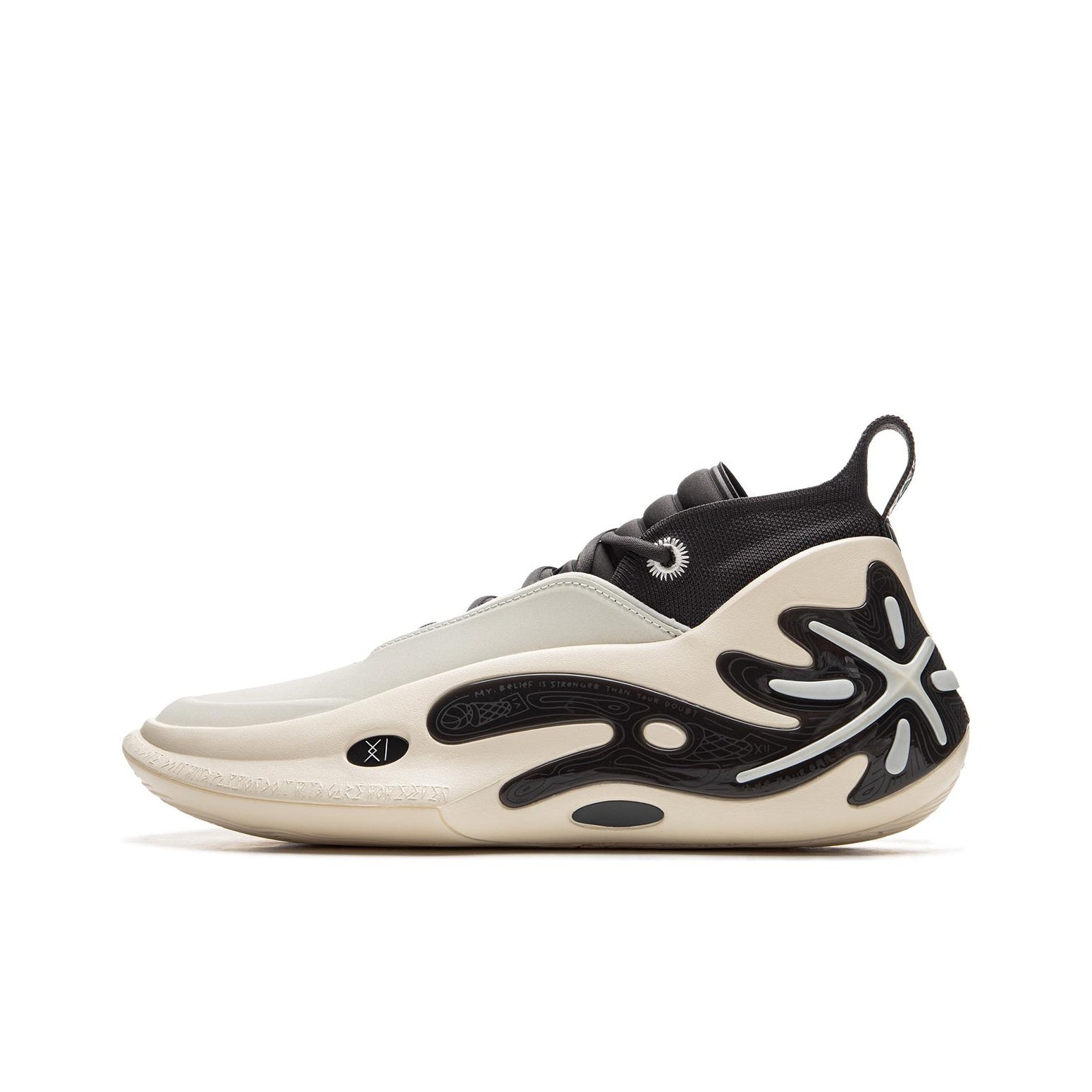
Li Ning often feels more intentional in its premium performance space. The brand has not been shy about technical uppers, support pieces, carbon elements, and layered constructions that look and feel built for serious play. On some models, that creates a more substantial shoe. Players who want that locked-in, dialed build usually see this as a plus. Players who want a lighter, simpler upper may prefer certain Adidas options instead.
Price and value in the Li Ning vs Adidas matchup
Price is where context matters. Adidas gives buyers more entry points. You can shop from budget performance all the way up to premium signature territory, and sale cycles are usually easier to find. If your goal is solid on-court value without chasing niche pairs, Adidas remains very practical.
Li Ning tends to play higher in the premium lane, especially with sought-after imported basketball models. On paper, that can look expensive. In practice, the value can still be strong if the traction, support, and cushioning package genuinely outperforms what you are used to wearing. For players who burn through shoes or demand a more specialized ride, paying more upfront can make sense.
Collectors and brand-savvy buyers also look at value differently. Adidas has obvious mainstream cachet. Li Ning carries a different kind of appeal - harder-to-find product, stronger niche identity, and a level of exclusivity that stands out when everyone else is wearing the same few brands.
Who should buy Li Ning?
Li Ning makes the most sense for players who care about performance details and are willing to be selective. If you prioritize traction, stability, responsive cushioning, and signature lines that feel a little more advanced or less common, Li Ning is a very strong play. It also appeals to buyers who are tired of generic wall-stock product and want something more curated.
For volleyball players, Li Ning can be especially compelling when court grip and lateral control are non-negotiable. For basketball players, the brand suits guards, quick wings, and anyone who wants a more precise on-court feel. If you’re shopping through a specialty source like Kicksology, the upside is access to authentic pairs that Canadian buyers usually have a harder time finding through standard channels.
Who should buy Adidas?
Adidas still makes sense for a lot of players. If you want easier access, more familiar sizing, strong comfort, and a wider spread of price points, the brand remains a safe and often smart option. It is also a good fit for players who prefer a less aggressive break-in and a ride that feels more immediately comfortable.
For casual hoopers, multi-sport users, or buyers who want one shoe that can cross from training to game runs to everyday wear, Adidas often has the more versatile lineup. That flexibility matters if you are not chasing highly specific performance traits.
So, which brand is better?
There is no clean winner because the answer changes with the player. If you want mainstream convenience, familiar fit, and easier comfort, Adidas has the edge. If you want sharper performance tuning, stronger traction in many top models, and a more niche premium identity, Li Ning is hard to ignore.
The smart move is to shop the model, not just the logo. Brand reputation gets your attention, but traction pattern, foam setup, fit shape, and support design decide whether the pair actually earns rotation time. Buy for your movement, your foot shape, and the kind of court sessions you actually play. That is usually where the right answer shows up.

