





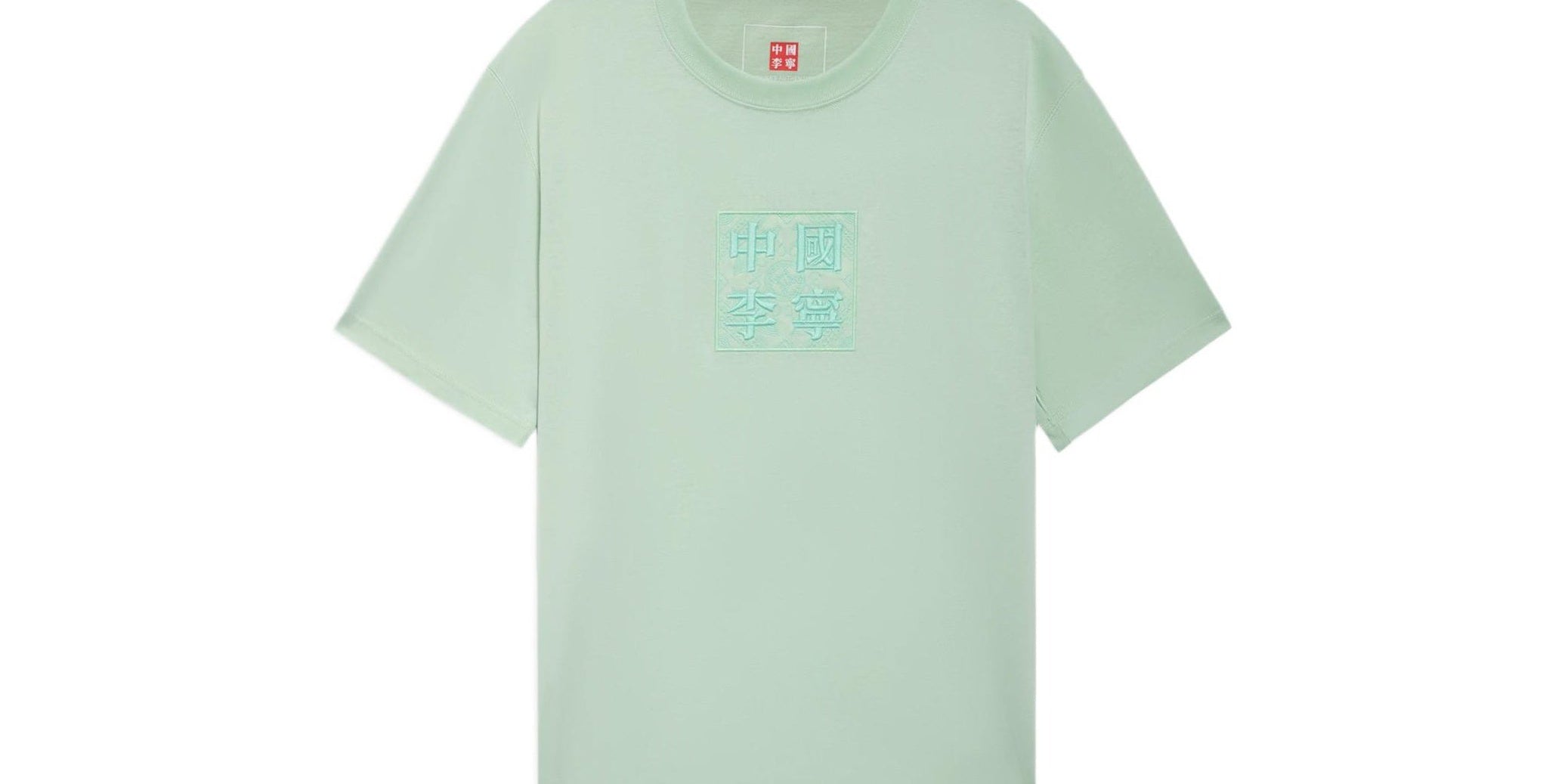
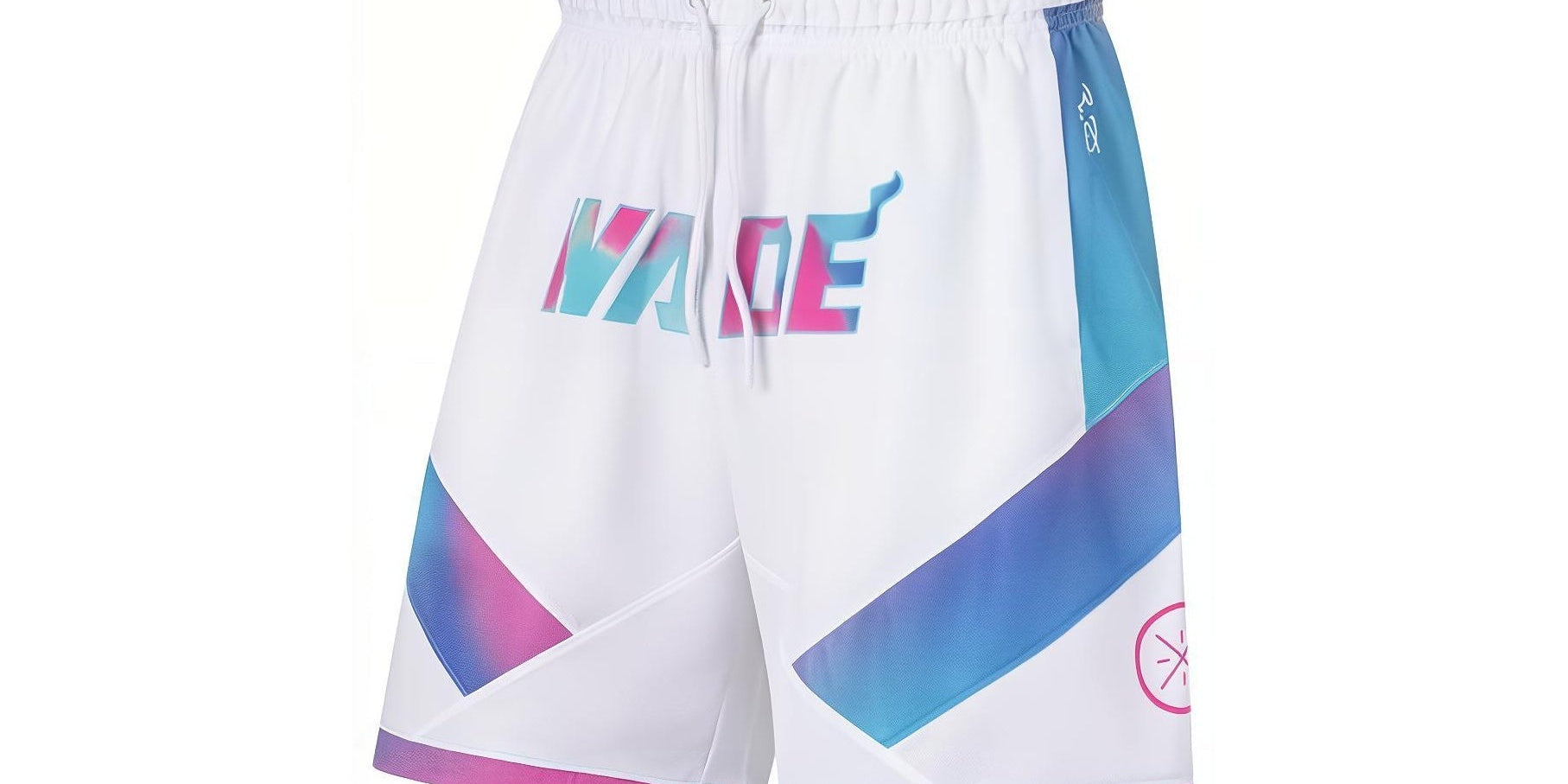
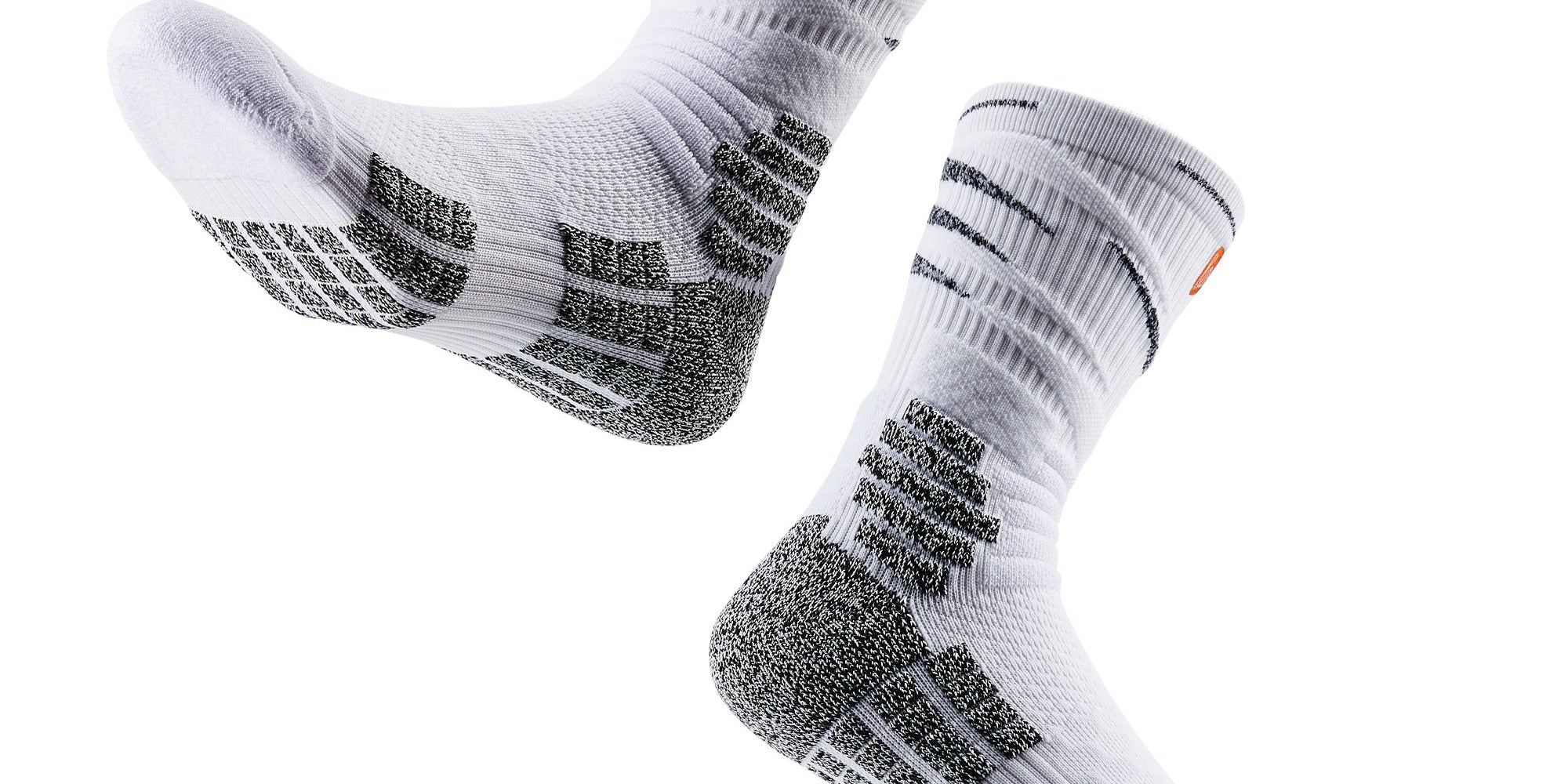
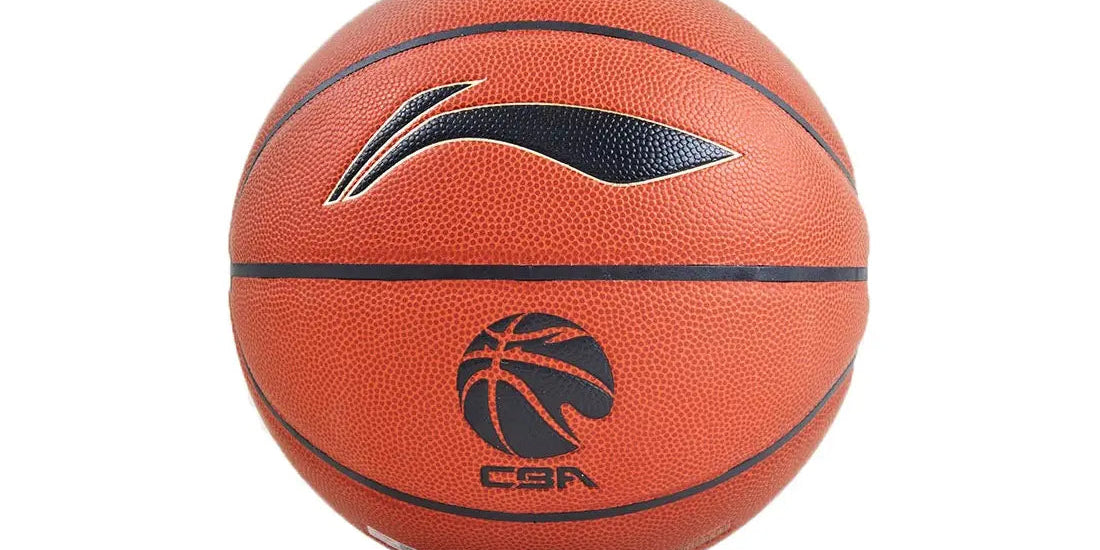

That first hard plant tells you everything. If your foot slides on a closeout, your heel lifts on a cut, or the cushioning bottoms out by the fourth run, the problem is not your game - it is your shoes. Good performance basketball shoes do more than look right in hand. They have to match how you move, where you play, and what your body needs over a full session.
The tricky part is that there is no universal best pair. A guard who plays low and fast will not want the same setup as a bigger wing who lives off power finishes and boards. Add in different court conditions, fit preferences, and brand-specific sizing, and the right answer gets more specific very quickly. That is why serious buyers look past hype and start with performance.
What performance basketball shoes actually need to do
At a baseline, performance basketball shoes should help you stop hard, change direction cleanly, and stay confident through impact. That sounds simple, but every model balances those goals differently.
Traction is usually the first thing players notice. On a clean indoor court, top-tier traction gives you that predictable bite on jabs, decels, and recovery steps. But traction is not just about how aggressive the pattern looks. Rubber compound, groove depth, and how the outsole interacts with dust all matter. Some shoes feel elite on spotless hardwood and turn average once the floor gets dirty. Others keep working even when the court is less than ideal, which can be the difference between trusting your footwork and second-guessing every move.
Cushioning is next, and this is where preference really splits. Some players want maximum impact protection for long runs, heavier landings, or sore knees. Others want a more responsive setup that keeps them low to the floor and connected to the court. More cushion is not automatically better. Too much softness can mute court feel or make transitions feel slower, especially for players who rely on quick first steps and sharp directional changes.
Support and containment often get lumped together, but they are not exactly the same. Support is how stable the platform feels under pressure. Containment is how well the upper keeps your foot over that platform. You can have a shoe with solid torsional stability but a sloppy fit through the forefoot, and that still creates movement you do not want during hard cuts.
How to choose performance basketball shoes for your play style
The easiest mistake is shopping by player name or social hype before thinking about role. Signature models can be excellent, but they are still built around certain movement patterns and design priorities.
Guards and quick movers
If your game is built on separation, pace changes, and low-to-the-ground movement, you will usually want lighter-feeling performance basketball shoes with strong court feel, fast transitions, and reliable forefoot traction. You do not need the plushest setup on the wall. You need something that lets you load and explode without feeling delayed.
This is where a lot of modern low-tops shine. The best ones give you freedom without feeling unstable. The trade-off is that some minimal setups can feel harsh over long sessions, especially on unforgiving courts.
Wings and all-around players
Wings usually need the widest performance range from a shoe. You might be handling the ball one possession and rotating to contest at the rim the next. That means you want balance - enough cushion for repeated impact, enough support for lateral movement, and enough responsiveness that the shoe does not feel bulky.
This category is often where versatile team shoes and well-rounded signature lines stand out. If a model does a lot of things well and has a forgiving fit, it tends to work for the broadest group of players.
Bigger players and power finishers
If you are generating a lot of force on takeoff and landing, impact protection and platform stability move up the list quickly. A shoe that feels quick in the store can become a problem if it bottoms out under your weight or feels unstable on hard gathers.
That does not mean you need a brick. It means your setup should have enough structure to stay consistent through contact. A wider base, more substantial midsole, and stronger heel containment usually matter more here than shaving a few grams.
Fit matters more than most buyers think
You can forgive a lot in a basketball shoe if the fit is dialed. You cannot fix a bad fit with marketing language.
Length, width, and shape
A shoe can be true to size on paper and still fit narrow, long, shallow, or unusually snug through the midfoot. That is why brand and model matter so much. Some imported performance lines are known for precise, one-to-one fits that feel amazing for narrow or average feet but less forgiving for wide-footers. Others have a more accommodating forefoot shape without sacrificing lockdown.
If your toes are crammed into the front, you will feel it in stops and downhill attacks. If there is too much dead space, you may start sliding internally even when the laces are tight. Neither issue is minor when you are playing at speed.
Lockdown and heel security
Lockdown is what makes a shoe disappear when you are moving well. A properly dialed upper keeps your foot secure without hotspots, lace pressure, or heel slippage. The best-fitting pairs feel connected from the first cut.
Pay attention to heel movement especially. A little break-in can help, but obvious lift in the heel counter is usually a warning sign. If the back of the shoe is not holding you, the rest of the setup has to work harder to compensate.
The court you play on changes the answer
A lot of players shop as if every run happens on pristine hardwood. That is rarely the case.
If you mostly play indoors on cleaner courts, you can be more selective and chase elite bite, premium foam setups, or lighter materials without worrying as much about outsole durability. If you play on dusty school gyms, mixed rec floors, or occasionally outdoors, durability and consistency matter more. A translucent outsole that looks great in photos may not be your best move if the floor is constantly dirty. Softer compounds can feel amazing indoors but wear down faster outside.
This is one of the biggest reasons niche performance brands have gained traction with serious hoopers. Many of them build shoes with a more technical, on-court-first mindset instead of treating performance as secondary to lifestyle appeal.
Why model family matters
Not every line within a brand is aimed at the same player. That sounds obvious, but buyers still assume one good experience with a brand means every model in that lineup will work the same way.
Take performance-focused families with multiple takedowns or sequels. One version may lean premium, with top cushioning and stronger materials. Another may be more stripped-down, faster, and closer to the floor. A third may target value while keeping the same visual language. If you only shop by franchise name, you can end up in the wrong shoe.
This is where specialist retailers earn trust. When a store actually knows the difference between a flagship signature model and a team-oriented takedown, or between a snug guard shoe and a more forgiving all-rounder, you get guidance that is based on performance rather than guesswork. For Canadian buyers hunting harder-to-find pairs, that matters even more because returns and resourcing can be a bigger hassle when inventory is limited.
Style still matters, just not first
Nobody buying premium hoops shoes is pretending looks do not matter. Colourways, shape, player association, and how a pair hits off court are all part of the appeal. That is especially true with brands and signature lines that carry strong identity.
But style should narrow your shortlist, not make the final call on its own. The pair that looks best in hand is not always the pair you will trust in game speed. If you have ever benched a beautiful shoe because it lacked grip or cooked your arches after one session, you already know this.
The best purchase is usually the one that gives you both. Strong on-court performance, clean design, and enough confidence that you want to keep reaching for the pair instead of saving it for casual wear.
What smart buyers check before they commit
Before you buy, ask a few direct questions. What kind of court do you actually play on most often? Do you want plush cushioning or faster court feel? Is your foot narrow, regular, or wide? Do you need instant comfort, or are you fine with some break-in if the performance upside is there?
Also be honest about how often you play. If you hoop three or four times a week, durability and long-session comfort should carry more weight than a trend-driven colourway. If you rotate multiple pairs and want something specific for league nights, you can afford to go more specialised.
At Kicksology, this is exactly where performance shopping gets interesting. Once you move past the generic big-box choices, you start seeing real differences in traction patterns, foam setups, fit profiles, and on-court intent across brands like Way of Wade, Li-Ning, Anta, and SPO. That opens the door to finding a pair that actually fits your game instead of forcing your game to fit the shoe.
The right pair of performance basketball shoes should make you feel more certain, not more cautious. When your traction is predictable, your fit is locked in, and your cushioning matches the way you move, you stop thinking about your shoes and start trusting every step.

