














A fresh pair can feel elite in hand and unforgiving on foot. That is usually the moment people start searching for how to break in basketball shoes - right after the first tight forefoot, stiff upper, or heel rub reminds them that premium performance models are not always game-ready straight out of the box.
The good news is most basketball shoes do not need old-school punishment to break in. You do not need to soak them, blast them with heat, or fold them in half until the materials give up. Modern performance shoes are built with engineered uppers, structured heel counters, plate systems, dense foams, and traction compounds that respond best to wear that is controlled and gradual.
If you want the shoe to soften where it should, keep its support, and avoid wrecking the cushioning, the goal is simple: break in the fit, not the shoe.
How to break in basketball shoes without ruining them
The fastest safe method is to wear them in short, progressive sessions before asking them to handle a full run. Start indoors for 20 to 30 minutes at a time. Lace them the way you would for actual play, use the socks you normally hoop in, and pay attention to pressure points instead of trying to push through them.
After that, move into light movement. Walk, get into your stance, do a few controlled defensive slides, and some easy footwork. Then add light shooting and form work before you take them into a full-speed session. For most pairs, that progression is enough to settle the upper, let the cushioning respond to your bodyweight, and ease the stiffness in the flex points.
This matters even more with models that run more structured out of the box. A shoe with a rigid lateral wall, strong torsional plate, or heavy containment package can feel harsh on day one but excellent by session three or four. On the other hand, if a shoe feels painfully narrow, crushes your toes, or your heel is slipping badly even when laced properly, that is not a break-in issue. That is usually a sizing or shape mismatch.
What actually changes during break-in
A proper break-in period does not turn a bad fit into a good one. What it does is help the upper conform slightly, let the collar and tongue compress, and create more natural flex where your foot bends. Some midsoles also feel less firm after a few wears, especially if the foam setup is denser or paired with a support plate.
That is why some hoopers love a shoe after a week that they were ready to give up on after one run. It is not magic. The materials are just settling into real use.
Still, every setup breaks in differently. Knit and mesh-based uppers usually adapt faster than thick synthetics or layered containment builds. Leather and fuse-heavy models can take longer. Low-tops may feel easier earlier, while higher-cut pairs with more ankle structure often need more time before they stop feeling restrictive.
Start with the right socks and lacing
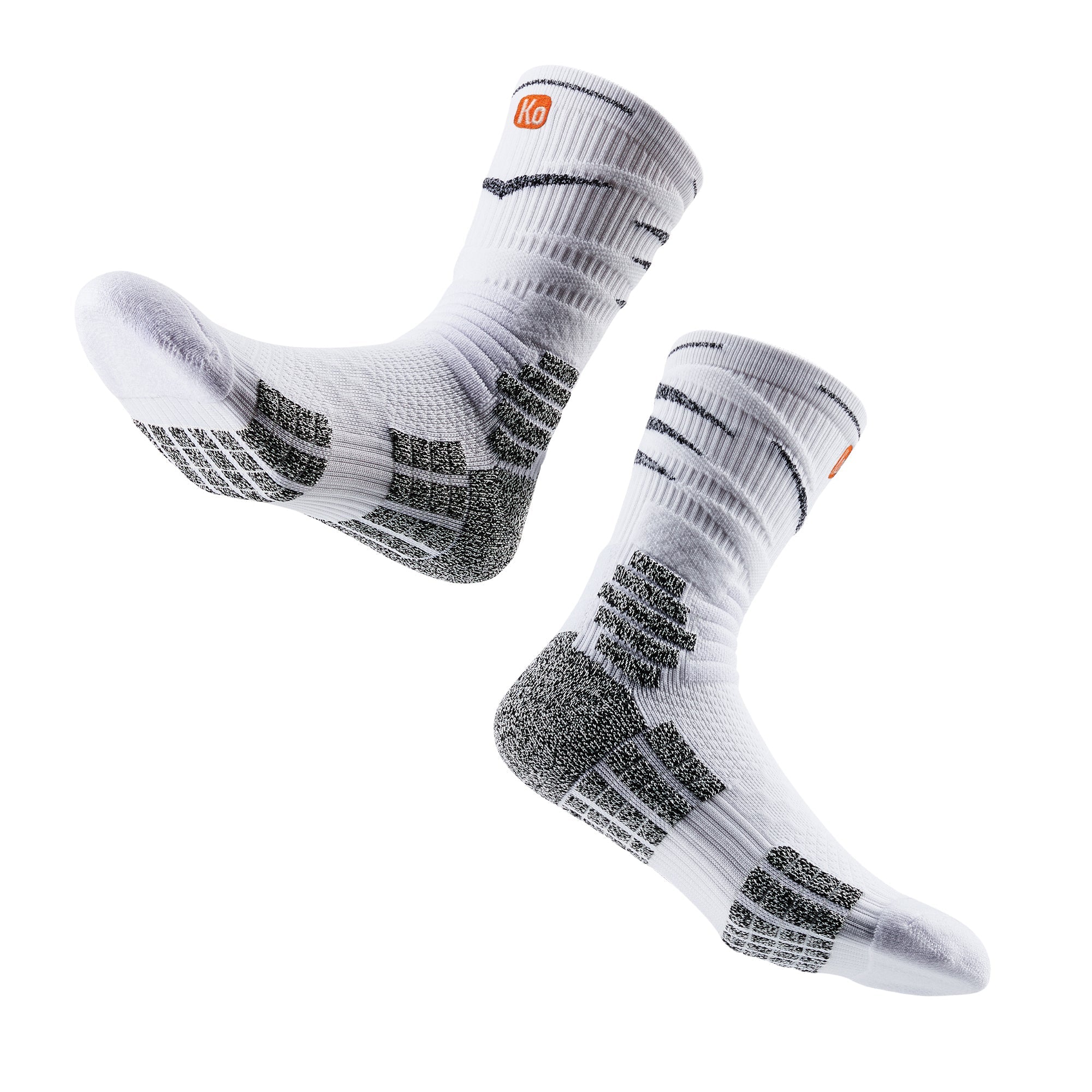
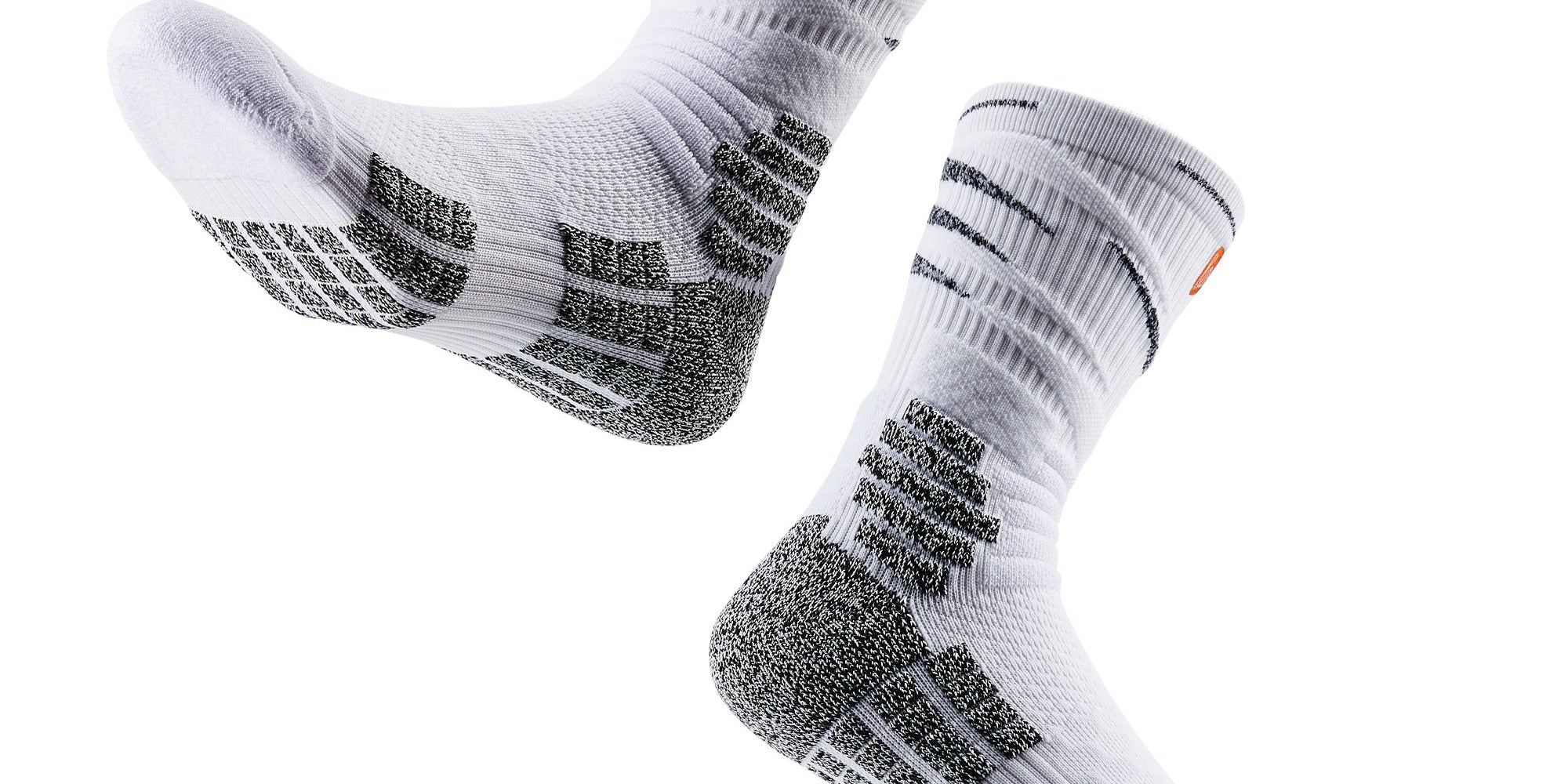
Before you blame the shoe, check the basics. The sock you wear changes fit more than most people admit. A thin everyday sock can make a performance shoe feel sloppy in the heel, while a thicker basketball sock can fix minor dead space and reduce friction.
Lacing is just as important. If the forefoot feels tight, do not crank every eyelet equally. Keep the lower section secure but not over-tightened, then adjust the midfoot and top separately. If you are getting heel lift, lock down the top eyelets more deliberately. If the tongue is digging in, the issue may be pressure distribution, not overall tightness.
A lot of break-in problems are really lockdown problems. Once the foot sits correctly in the platform, the shoe often feels better immediately.
The best on-court break-in routine
If you want a practical answer to how to break in basketball shoes, this is the routine most players should follow.
Wear the pair around the house first. That tells you quickly whether the collar is rubbing, the arch shape feels off, or the toe box is too aggressive. If nothing feels alarming, take them into a light court session. Shoot around, work on ball handling, and do low-impact movement for 30 to 45 minutes.
On the second wear, add harder cuts, short closeouts, and a few jumps. Keep it under an hour if the shoe still feels stiff. By the third or fourth session, most quality performance models will tell you what they really are. Either they are becoming more natural on foot, or they are showing a fit issue that is not going away.
What you should not do is wear brand-new shoes straight into a two-hour run and hope they sort themselves out. That is how you get hot spots, blisters, and a bad first impression of a shoe that may have needed only a little time.
Common mistakes when breaking in basketball shoes
The biggest mistake is using heat. Hair dryers, radiators, hot cars, and direct heat can damage adhesives, warp synthetic panels, and affect foam performance. Even if the upper softens a bit faster, you are trading short-term comfort for long-term durability.
The second mistake is overbending the shoe by hand. Flexing it lightly at the forefoot is one thing. Repeatedly folding a basketball shoe hard in half is another. Many modern models use plates, shanks, and structured tooling for energy return and stability. Forcing them can compromise how the shoe is meant to work.
The third mistake is assuming pain is normal. Mild stiffness is normal. Friction at the heel, numb toes, pinching on the pinky toe, or arch pain that keeps showing up is not something you need to push through for five games. That usually means the shape of the last does not agree with your foot, or the size is off.
When it is a fit issue, not a break-in issue
This is where experienced buyers save themselves time. Some shoes are built narrow through the toe box. Some sit low over the instep. Some have aggressive sidewall containment that can bother wider feet. Others fit long but snug through the midfoot. Break-in can soften edges, but it cannot fundamentally change the platform.
If your toes are jammed into the front, size is the first thing to question. If the width is the problem, going up half a size may help, but sometimes it just makes the shoe longer without fixing the squeeze. If your heel is floating, extra wear will not suddenly create lockdown. That usually comes down to shape, lacing, or model choice.
This is especially relevant with imported basketball shoes and signature models from niche performance brands. Some run true, some run snug, and some are built with a more precise competition fit. If you are buying a hard-to-find pair, sizing research matters as much as the break-in plan.
How long should break-in take?
For most basketball shoes, you should feel a noticeable improvement after two to four wears. Some pairs feel ready almost immediately. Others, especially those with firmer midsoles or more structured uppers, may need a week of light use before they open up.
If you have put in several sessions and the same pain points are still there, be honest about what is happening. A shoe that is still fighting your foot after proper wear probably is not the right match. There is a difference between a model that needs time and one that just does not fit your game or foot shape.
The payoff for getting this right is worth it. Once a good pair is broken in properly, you get the lockdown, support, and traction the designer intended without sacrificing comfort on every hard stop and cut.
If you are serious about performance footwear, treat break-in like part of the setup, not an afterthought. A smart first few wears can turn a stiff new pickup into a dependable game shoe without burning through your feet or your investment. And if a pair never starts feeling right, trust that signal early - the best hoop shoe is not the one that looks toughest out of the box, but the one that disappears when the run starts.

