










One bad step on a dusty court tells you everything. If your outsole slides on a lateral cut or your shoe folds when you plant to block, the problem is not your effort - it is your setup. The best shoes for indoor volleyball need to do three jobs at once: bite on hardwood, keep you stable through fast side-to-side movement, and give you enough cushion for repeated jumping without feeling slow.
Volleyball players often end up shopping basketball models for one simple reason: the performance tech is better, the options are deeper, and many modern low-tops are built for explosive indoor movement. That does not mean every hoop shoe works for volleyball. Some are too high off the ground, some feel bulky on transitions, and some have elite cushioning but weak lateral containment. The right pair depends on your position, your movement style, and how much court feel you want underfoot.
What makes the best shoes for indoor volleyball?
Traction is first. Indoor volleyball is all start-stop movement - quick shuffles, hard plants, transition steps, and reactive coverage. A great outsole should grip clean hardwood well and still hold up when the floor is less than perfect. Tight, well-designed patterns usually outperform flashy ones, and softer rubber often grips better indoors, though it may wear faster if you also use the pair outdoors.
Containment is next, and it gets overlooked until your foot spills over the footbed on a lateral push. Volleyball is not just vertical jumping. It is constant side loading. You want a shoe with a stable base, solid sidewall support, and an upper that actually keeps you centred over the platform. Wide outriggers, supportive midsoles, and well-tuned lacing matter more than collar height alone.
Cushioning is where preference comes in. Some players want max impact protection because they jump a lot or play long sessions. Others want a lower, more responsive ride so they can react faster and feel connected to the floor. More cushion is not automatically better. If the setup is too soft or too tall, your footwork can feel delayed.
Fit can decide everything. A technically strong shoe that fits long, narrow, or sloppy for your foot shape is not the best choice. Volleyball demands precise movement, so heel lockdown and midfoot security matter more than casual comfort out of the box.
Basketball shoes vs volleyball shoes
A lot of the best shoes for indoor volleyball now come from basketball lines, especially if you are looking at premium performance models instead of entry-level team shoes. That is not hype. It is because the overlap is real: indoor traction, explosive takeoffs, repeated landings, and lateral movement all matter in both sports.
Where basketball shoes can miss is weight and ride height. Some are built for bigger impacts and more contact, which can make them feel heavier or less nimble than a volleyball-first model. On the other hand, a well-designed performance basketball shoe can give you better foam, better torsional support, and a more dialed-in traction setup than many traditional volleyball options.
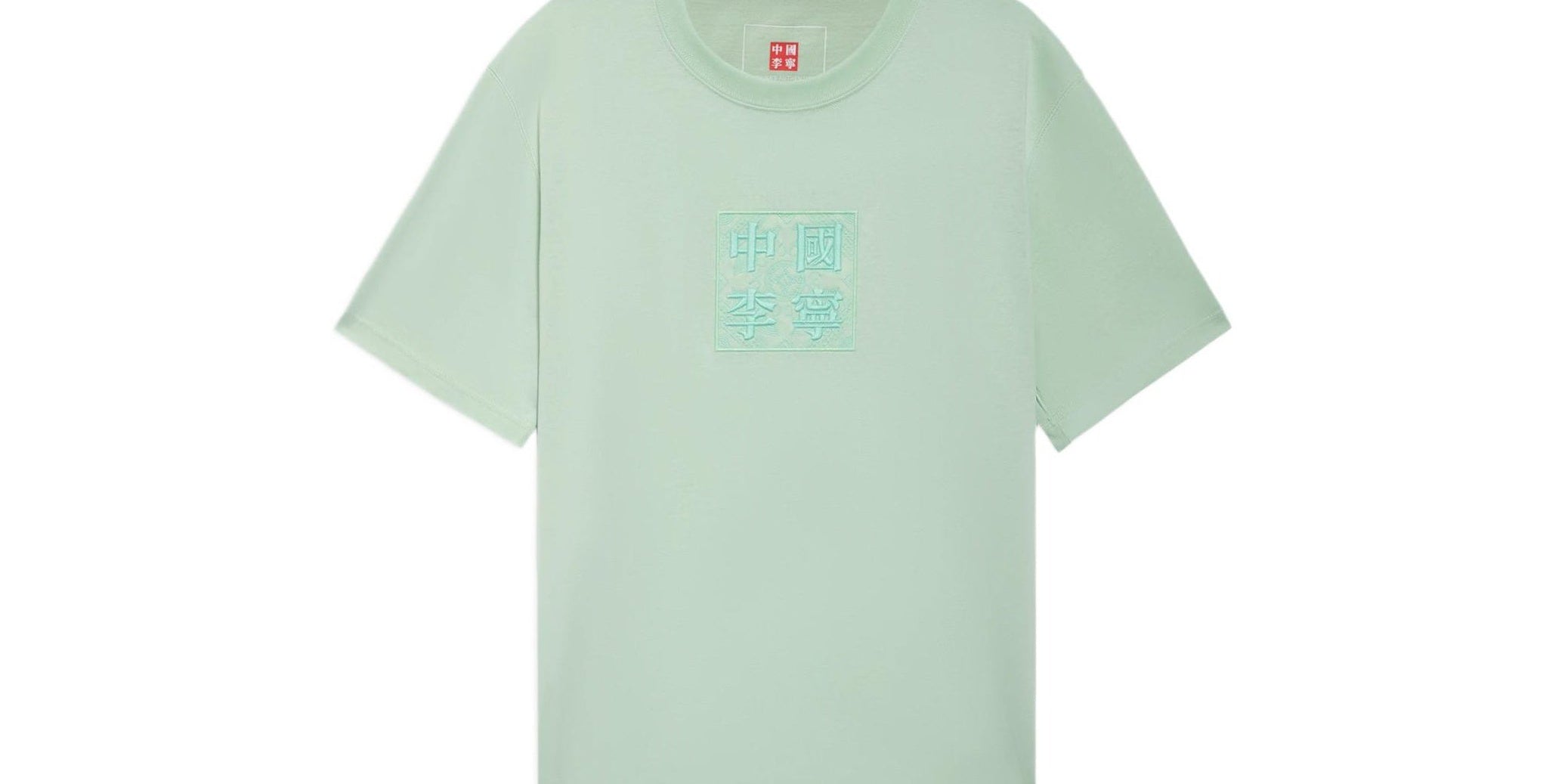
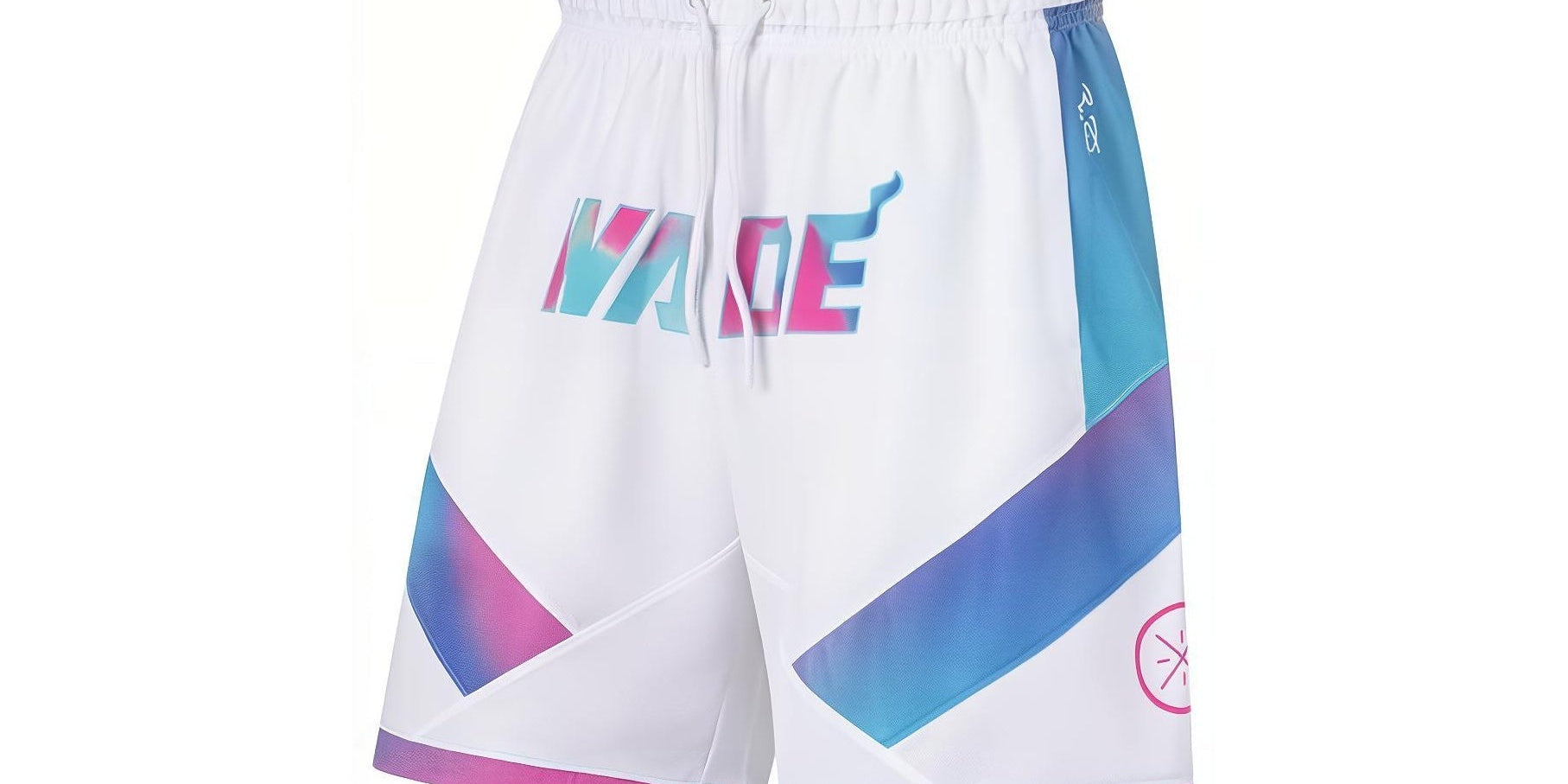
That is why brand-savvy players keep looking beyond the usual mainstream wall. Models from Way of Wade, Li-Ning, Anta, and SPO have earned attention because they often combine elite traction, modern cushioning, and serious containment in a way that translates well to volleyball.
The styles that make the most sense on court
If you are a libero or defensive specialist, you will usually want a lighter, lower-profile shoe with fast traction and strong court feel. You are reacting, dropping, changing direction, and covering floor. A clunky setup works against you. A shoe like the Wade 808 line makes sense here because it tends to feel quick, planted, and stable without riding too high.
If you are a setter, balance matters more than any single stat. You need control on quick transitions, enough cushion for repeated jumping, and reliable stability when you square up under the ball. This is where an all-around performance model shines - something responsive, supportive, and not overly soft.
If you are an outside, opposite, or middle, impact protection climbs the list. You are likely putting more stress through repeated approaches, blocks, and landings. That does not mean you should automatically chase the softest shoe available. It means you need cushioning that protects without turning your footwork mushy. Premium hoop models with bouncy but controlled foam setups usually hit the sweet spot.
Top picks worth looking at
The Way of Wade 10 remains one of the strongest crossover options for volleyball players who want a premium all-court shoe. Its biggest strengths are traction, energy return, and containment. It feels explosive without being unstable, and the platform is supportive enough for aggressive lateral movement. The trade-off is price and, for some players, a fit that feels more performance-tight than relaxed. If you like a dialed-in one-to-one fit, that is a plus.
The Way of Wade 808 series is an easy recommendation for players who prioritize grip, court feel, and low-to-the-ground stability. It is especially strong for defensive players and anyone who wants a quicker ride. You give up some of the plushness you get from more premium max-cushion builds, but that is also why it feels so fast on court.
Li-Ning team and signature models can be excellent for volleyball because the brand consistently builds with strong torsional support and solid lateral containment. Some pairs feel firmer underfoot than North American players expect at first. That is not always a negative. A firmer setup often translates to better control and less energy loss on sharp movements.
Anta performance models, including select signature lines, deserve attention if you want a blend of modern cushioning and a stable base. Anta has been getting sharper with traction design and upper support, and some models feel especially good for players who want impact protection without a bulky ride. The exact fit can vary by line, so sizing details matter.
SPO models appeal to players who care about setup customization and performance detail. If you are the type who notices foam behaviour, insole tuning, and how a shoe loads on takeoff, this category is worth a serious look. These are not generic pick-up shoes. They are for players who know what they want from the underfoot feel.
How to choose the best shoes for indoor volleyball for your game
Start with your movement pattern, not the marketing label. If you are constantly low, reactive, and covering floor, prioritize traction, support, and court feel. If you are a heavy jumper or play multiple matches in a day, lean harder into cushioning and impact protection.
Then think about your foot shape. A narrow footer can often get away with more models, while wide-footed players need to be more selective about upper volume and forefoot shape. A shoe that grips well but crushes your forefoot is not a performance upgrade.
Your court conditions matter too. Clean competition floors are forgiving. Dusty school gyms are not. If you mostly play on variable indoor courts, traction consistency should move to the top of your list.
Finally, be honest about whether you want one pair only for volleyball or a crossover pair you will also wear casually. Performance-first shoes are usually the better choice on court, but if you are also buying for style, make sure you are not compromising fit and support just to get a colourway you like.
Common mistakes buyers make
The first is buying based on ankle height. A mid or high collar does not guarantee support. Real support comes from the base, the upper structure, and how securely the shoe locks your foot in place.
The second is overvaluing soft cushioning. Plush underfoot feel can be nice on step-in, but too much softness can make you feel late on your movements. Volleyball players usually need controlled compression, not a marshmallow ride.
The third is ignoring break-in and fit. Some premium imported models feel more precise and less forgiving straight out of the box. That is normal. The goal is secure performance fit, not slipper comfort on day one.
If you are shopping in Canada, availability can also shape the decision. Some of the best-performing niche models never really hit mainstream shelves here, which is why specialist retailers matter. Kicksology has carved out a lane by giving Canadian players access to authentic performance pairs that are harder to source locally, especially from brands that serious sneaker and court communities already know are worth watching.
The right shoe should make you forget about your feet after the first few rallies. When your grip is locked in, your landings feel controlled, and your movement feels sharp instead of hesitant, you stop thinking about the shoe and start playing your game.

