











A shoe can have elite traction, premium cushioning, and a big-name signature stamp, but if it squeezes your forefoot by the second quarter, none of that matters. Finding the best performance basketball shoes for wide feet is less about hype and more about shape - the last, the upper give, the lacing system, and how the shoe holds you without crushing your foot.
That’s where a lot of players get stuck. Plenty of models feel great on step-in, then turn restrictive once you start cutting, planting, and loading into hard stops. Wide-foot hoopers need enough room to spread naturally, but not so much dead space that containment disappears. The sweet spot is secure, playable, and forgiving in the right places.
What wide-foot players actually need
The biggest mistake is thinking “wide-friendly” just means more material in the toe box. Real performance fit is more specific than that. A good option for wide feet usually gives you a broader forefoot platform, less aggressive sidewall pressure around the pinky toe and bunion area, and an upper that flexes without turning sloppy.
Midfoot shape matters just as much. Some players have a wide forefoot but a normal arch and heel, so they need room up front with proper lockdown through the centre of the shoe. Others are wide all the way through and struggle most with entry, tongue pressure, and lateral squeeze. That’s why two players can try the same model and report completely different results.
On-court role matters too. Guards who rely on fast directional changes may tolerate a snugger fit if the upper breaks in well. Bigger wings and forwards usually need more platform width and a more stable base, especially if they’re landing hard and playing through contact. If you also play volleyball, that need for forefoot space plus landing stability becomes even more obvious.
Best performance basketball shoes for wide feet - what to look for
The best pairs usually share a few traits. They are not always marketed as wide versions, but their build works better for more foot shapes.
A rounded or more anatomical toe box is a strong start. It lets your toes splay on takeoff and on hard deceleration instead of forcing them inward. Softer engineered mesh, knit, or fused textile uppers also help because they adapt faster than stiff synthetic shells.
The midsole sidewalls should support you without feeling like clamps. Some shoes look stable on paper but ride so high or so sculpted that they press inward on wider feet. Others sit lower and use smarter containment, which feels much better over a full run.
Lacing can save or ruin a fit. Models with more traditional eyelets often let you fine-tune pressure better than one-piece bootie setups. If a shoe already runs narrow, a restrictive inner sleeve can make it a no-go, even if the tooling itself is solid.
Model families that tend to work better
If you shop enough performance pairs, patterns show up fast. Certain franchises consistently fit more forgiving than others, especially in the newer performance space.
Way of Wade and Li-Ning options
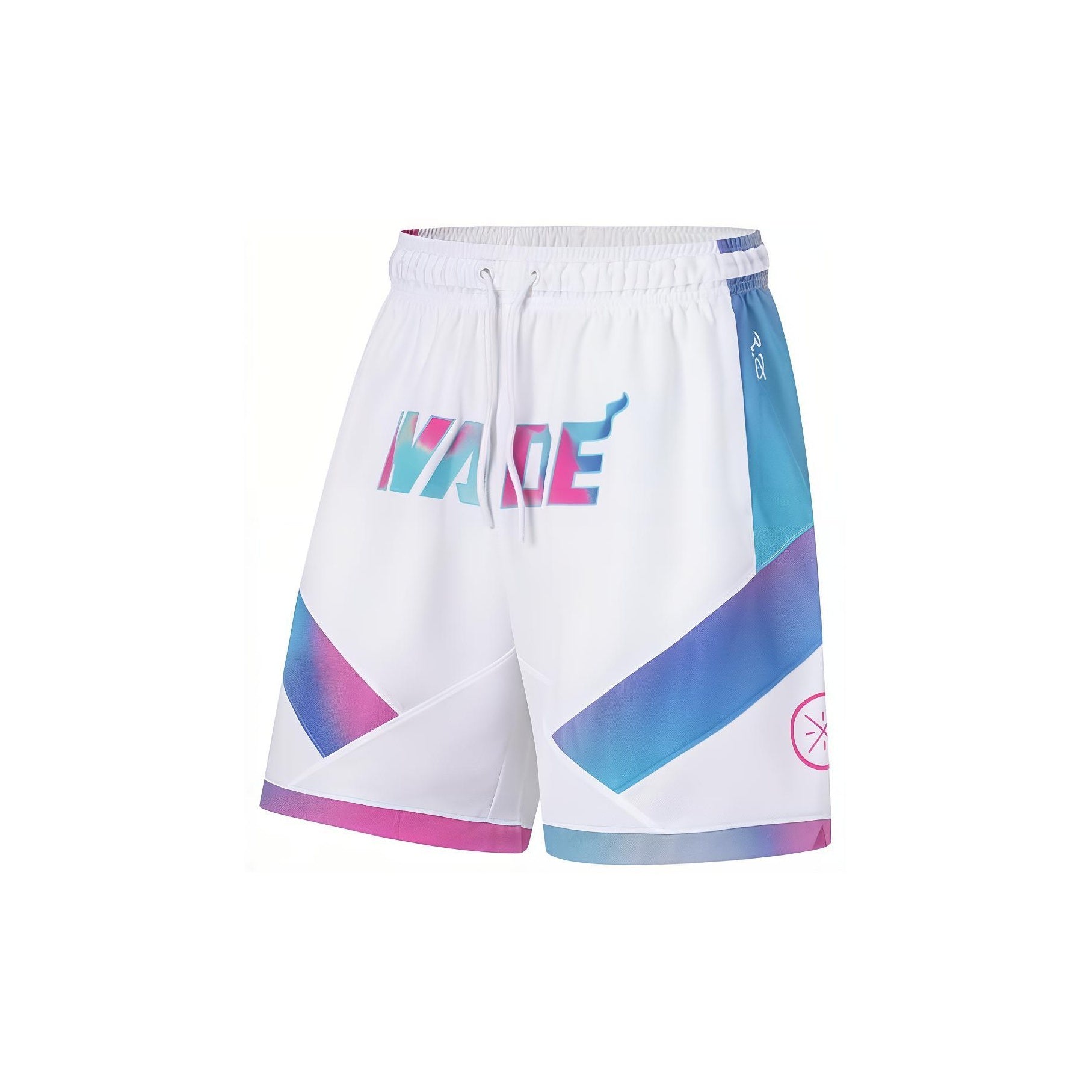
Several Way of Wade and Li-Ning models have earned a following among wide-foot players because they balance performance tech with more usable fit shapes. Not every pair in the lineup is automatically wide-friendly, but the brand has produced multiple shoes with better forefoot volume than many mainstream guard models.
The Wade 808 line is a good example of a low-cut performance series that often appeals to players who want court feel, speed, and stronger containment without an overly pinched front end. Depending on the generation and upper material, some versions feel more accommodating after a short break-in, while others fit best with a half-size adjustment. If you like responsive cushioning and quick movement but usually hate narrow forefoot pressure, this line is worth serious attention.
Higher-end Way of Wade models can be more sculpted and more premium in build. That can mean great lockdown, but it also means fit becomes more model-specific. Some players with wide feet will love the support package and stable platform. Others may need to size carefully or look to the pairs with softer uppers and less aggressive midfoot shaping.
Anta and other performance-first builds
Anta has also become a real conversation in the performance category, especially for hoopers who want serious tooling and signature-level detail outside the usual mainstream rotation. Some Anta basketball models feel surprisingly stable underfoot with enough base width to inspire confidence on lateral movements.
That said, “stable” does not always equal “wide.” Certain Anta shoes lock down the midfoot firmly and can feel snug on first try. If you’re considering one, the key question is whether the upper has enough give and whether the forefoot platform flares enough to offset the tighter wrap. For some players, that combination works beautifully after break-in. For others, it stays too exact.
Why some niche performance brands stand out
This is one area where niche and imported basketball brands can genuinely separate themselves. They are often built with a sharper performance lens, and some model families avoid the overly tapered, fashion-driven shape that frustrates wide-foot players. That does not mean every pair will fit wide. It means the hit rate can be better if you know what traits to watch for.
The trade-off: roomy vs locked in
Every wide-foot player wants space, but too much room creates its own problems. If your foot is sliding over the footbed on euro steps or jab drives, the shoe is not helping you. You’ll lose confidence on sharp cuts, and you may even get more friction and hot spots than you would in a slightly snugger pair.
This is why the best performance basketball shoes for wide feet are rarely the widest shoes on the shelf. The better test is whether your foot can sit naturally inside the shoe while the heel stays secure and the midfoot remains connected. You want freedom where your foot needs to expand, and control where the shoe has to hold you in place.
A break-in period also changes the equation. Some shoes feel borderline in the first wear but open up nicely after a few runs, especially with woven or mesh-heavy uppers. Others feel uncomfortable immediately and never improve because the issue is the platform shape, not the material. If the pinky toe is getting crushed by hard sidewalls, don’t expect miracles.
Sizing tips that actually help
Going up half a size is the default move for wide feet, but it is not always the best one. Sometimes it solves forefoot pressure. Sometimes it creates heel slip and sloppy containment, which is worse if you rely on quick stops and hard lateral movement.
A better approach is to identify where the fit problem lives. If the length is right but the shoe squeezes the front, a roomier model is usually the answer rather than simply sizing up. If the upper is forgiving and the toe shape is decent, a half-size increase may work. If the shoe has a narrow last and a rigid shell, going bigger often just gives you extra empty space in front.
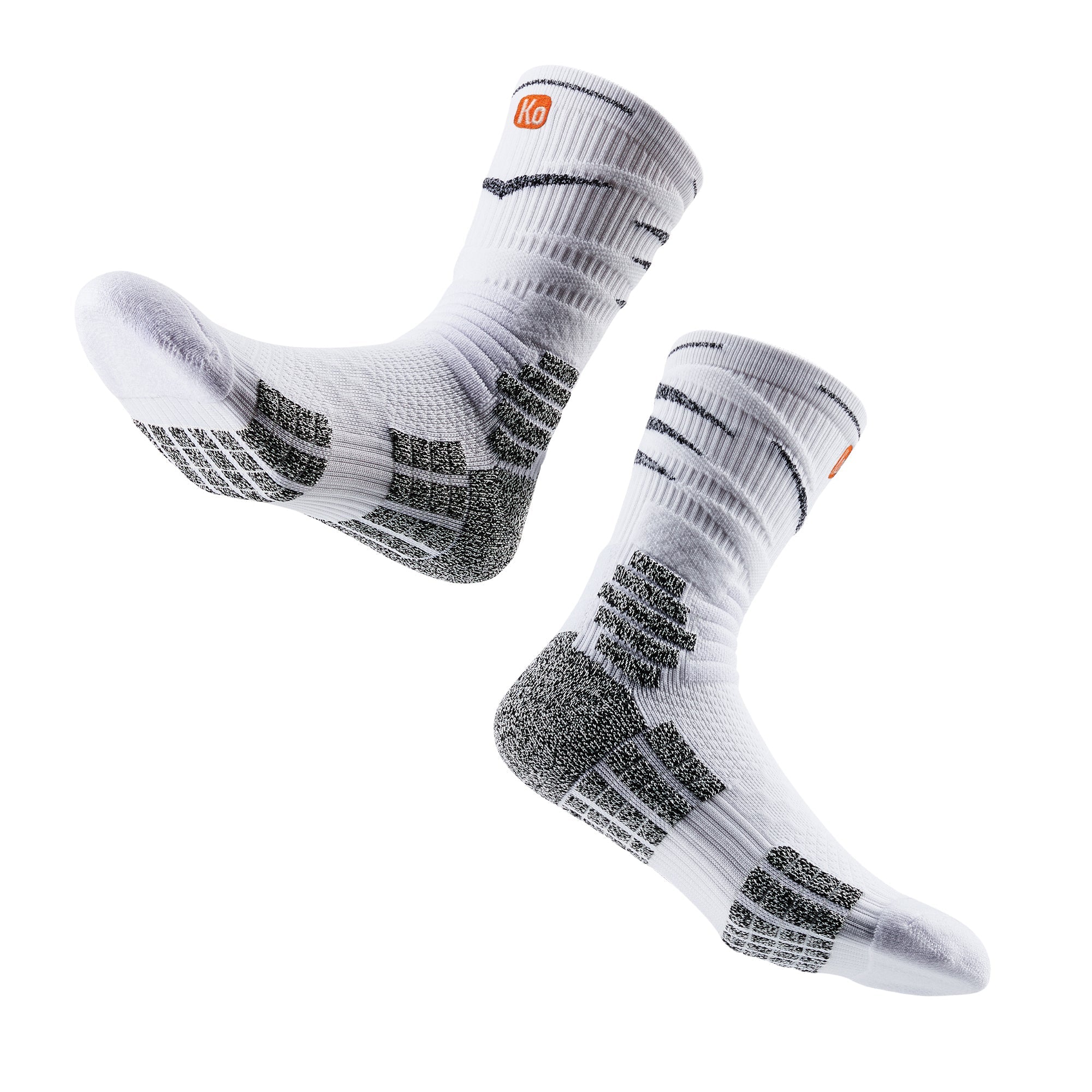
Thicker performance socks can also expose a bad fit quickly. If a shoe only works with ultra-thin socks and loose lacing, it probably is not your best option for league play. Serious runs demand a fit you can trust without workarounds.
How to judge a pair before committing
When you try on basketball shoes for wide feet, don’t just stand in them. Lace them fully, get into an athletic stance, and pay attention to where pressure builds. The pinky toe area, the base of the big toe, the top of the midfoot, and the entry collar usually tell the story fast.
Then think about your game. If you’re a shifty guard, you may accept a more dialed-in fit if the forefoot still feels playable and the upper softens up. If you’re a heavier player or a constant jumper, comfort and platform width move higher on the list because foot fatigue adds up fast.
If you rotate between basketball and volleyball, be even more selective. A shoe that feels fine in straight-line movement can break down for you once you add repeated jumps, fast transitions, and off-balance landings.
The smart way to shop wide-foot performance models
The market is better than it used to be, but wide-foot players still have to shop with intent. Ignore generic rankings that treat every foot shape the same. Focus on model families with a track record of usable forefoot room, adaptable uppers, and real on-court support.
That is also where a specialist retailer has an edge. Stores that actually live in the performance category tend to know which pairs run forgiving, which ones need sizing adjustments, and which hyped releases just will not work for broader feet. For Canadian hoopers trying to get into harder-to-find models from Way of Wade, Li-Ning, Anta, and similar brands, that kind of fit knowledge matters as much as the shoe itself.
The right pair should disappear once the game starts. Not because it lacks feel, but because it stops fighting your foot. When that happens, you’re not thinking about width anymore - you’re just playing.

