










A great pair of basketball shoes should disappear once the game starts. You should feel the stop when you plant, trust the grip when you change direction, and land without thinking about your feet. If you are constantly adjusting your laces, sliding on closeouts, or feeling impact through your knees and shins, the problem may not be your game. It may be the shoe under it.
The right pair is not simply the newest release or the model worn by your favourite player. It is the pair that matches your position, movement pattern, court conditions, foot shape, and preferred ride. That is why serious hoopers look past hype, colourways, and marketing copy before deciding what belongs in their rotation.
Start With How You Actually Play
Your best basketball shoe depends on the movements you repeat most. A quick guard who lives off hard stops, bursts, and lateral shifts needs a different setup than a bigger player who absorbs contact in the paint. Wings often need the middle ground: enough court feel to attack off the dribble, with enough containment and impact protection to rebound and defend multiple positions.
If your game is built on speed, prioritize a lower-to-the-ground feel, reliable traction, and a secure fit through the forefoot. A shoe that feels light but lets your foot move inside the upper is not truly fast. For physical players, a stable base, supportive sidewalls, and more forgiving cushioning can make long runs easier on the body.
There is no rule that guards cannot wear a cushioned shoe or that forwards need a heavy one. The trade-off is personal. More cushioning can reduce court feel. A low, quick shoe may feel connected and explosive, but less protective over extended sessions. Think about your usual run, not just your best highlight play.
Traction Is the First Performance Test
Traction determines whether the rest of a shoe's technology matters. Foam, plates, and premium uppers cannot help much if you hesitate to cut because the outsole is collecting dust.
Look closely at the rubber pattern and how it suits your regular court. Wide, well-defined grooves tend to clear dust more effectively, while softer rubber compounds can grip exceptionally well on clean indoor hardwood. Translucent outsoles can perform at a high level, but performance varies by compound and court condition. Do not assume a translucent sole will automatically be better or worse than solid rubber.
Players who spend time in community gyms know the difference a dusty floor makes. If you regularly play on less-than-perfect indoor courts, choose traction with a reputation for consistency and be ready to wipe the outsole during runs. Outdoor players should pay closer attention to rubber durability. Soft, tacky rubber may feel amazing initially, but it can wear down quickly on rough asphalt or concrete.
What a Stable Base Feels Like
Stability is not only about a high collar. It comes from the full platform: the width of the outsole, the firmness of the foam, the way the upper wraps your foot, and any sidewall or torsional support built into the midsole.
A stable basketball shoe lets you load into a hard cut without spilling over the edge of the footbed. This matters for all players, especially anyone with a history of ankle rolls or a tendency to land off balance. A wide base and strong lateral containment can be more useful than simply choosing a taller collar.
Cushioning Should Match Your Body and Schedule
Cushioning is where preferences get personal. Some players want a springy, responsive feeling that encourages quick transitions. Others want a protective, plush ride for long league nights, back-to-back practices, or heavier workloads.
Responsive foam and low-profile setups usually favour players who want court feel and immediate feedback. They can make a shoe feel quicker, especially during defensive slides and sharp changes of direction. The compromise is that players with sore knees, shin discomfort, or higher body weight may want more impact protection.
Plusher cushioning can take pressure off repeated landings, but too much softness may feel unstable if the foam compresses heavily on lateral movements. The best setup gives you enough compression for comfort without making you feel like you are standing on a mattress.
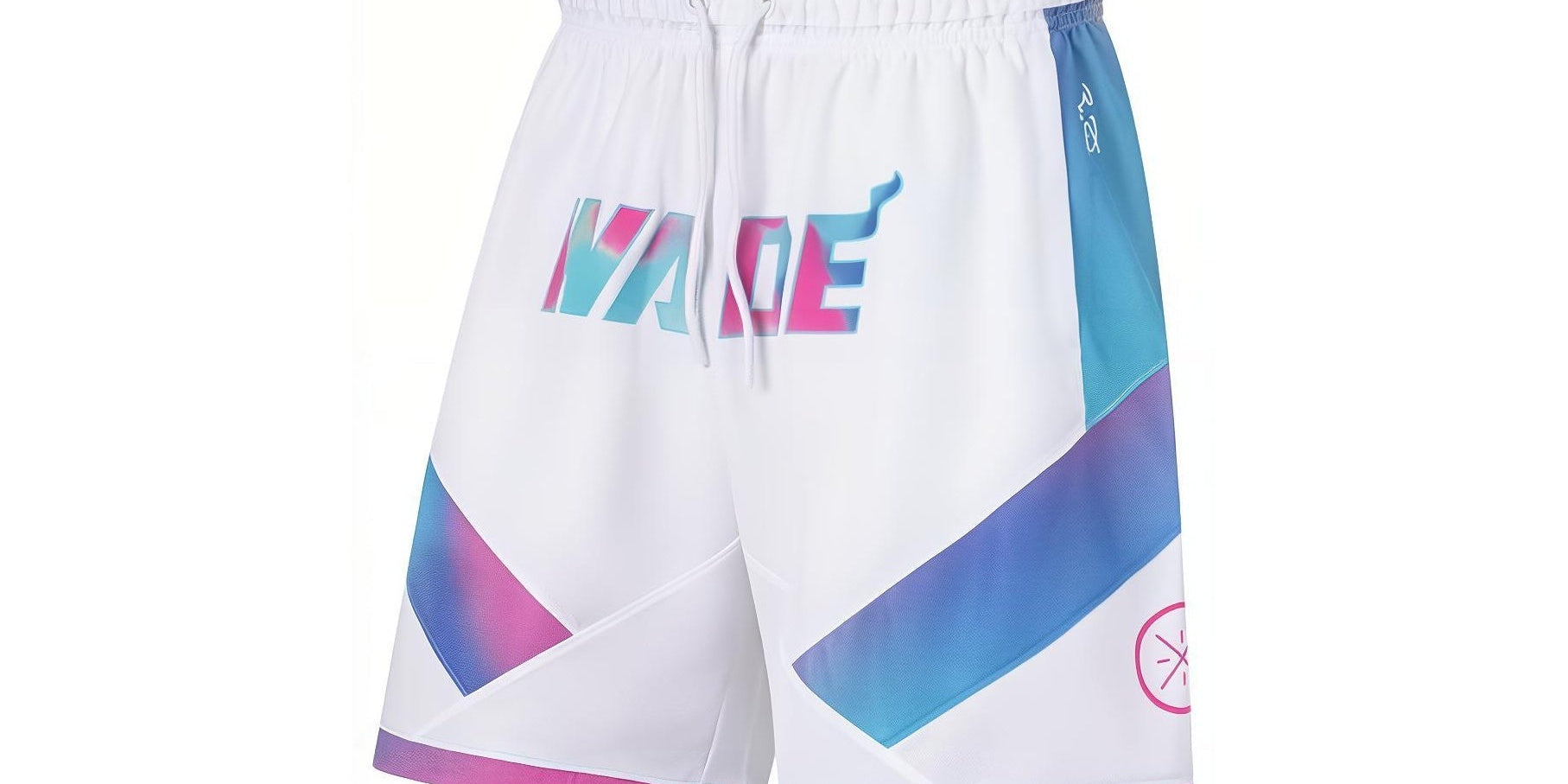
Premium Asian performance brands have earned attention because they often offer a broader range of foam setups, carbon or composite support elements, and purpose-built designs than shoppers may find at a typical mall retailer. A fast, low-cut guard shoe from a line such as Wade 808 can feel completely different from a max-cushioned signature model. Model family matters as much as brand name.
Fit Is More Important Than Your Usual Size
Your casual sneaker size is a starting point, not a guarantee. Basketball shoes need to lock down your heel, hold your midfoot through cuts, and leave enough room at the toes for stopping and landing. A pair that feels perfect while standing can become uncomfortable after an hour of hard play, when your feet have warmed up and expanded.
Start by considering width. Players with wider feet should be cautious with narrow, sculpted uppers and aggressive tapering at the toe box. Going up half a size may add length without solving the width issue, so it is often better to find a model known for a more accommodating fit. Conversely, narrow-footed players may benefit from a close-fitting upper and a lacing system that creates real midfoot lockdown.
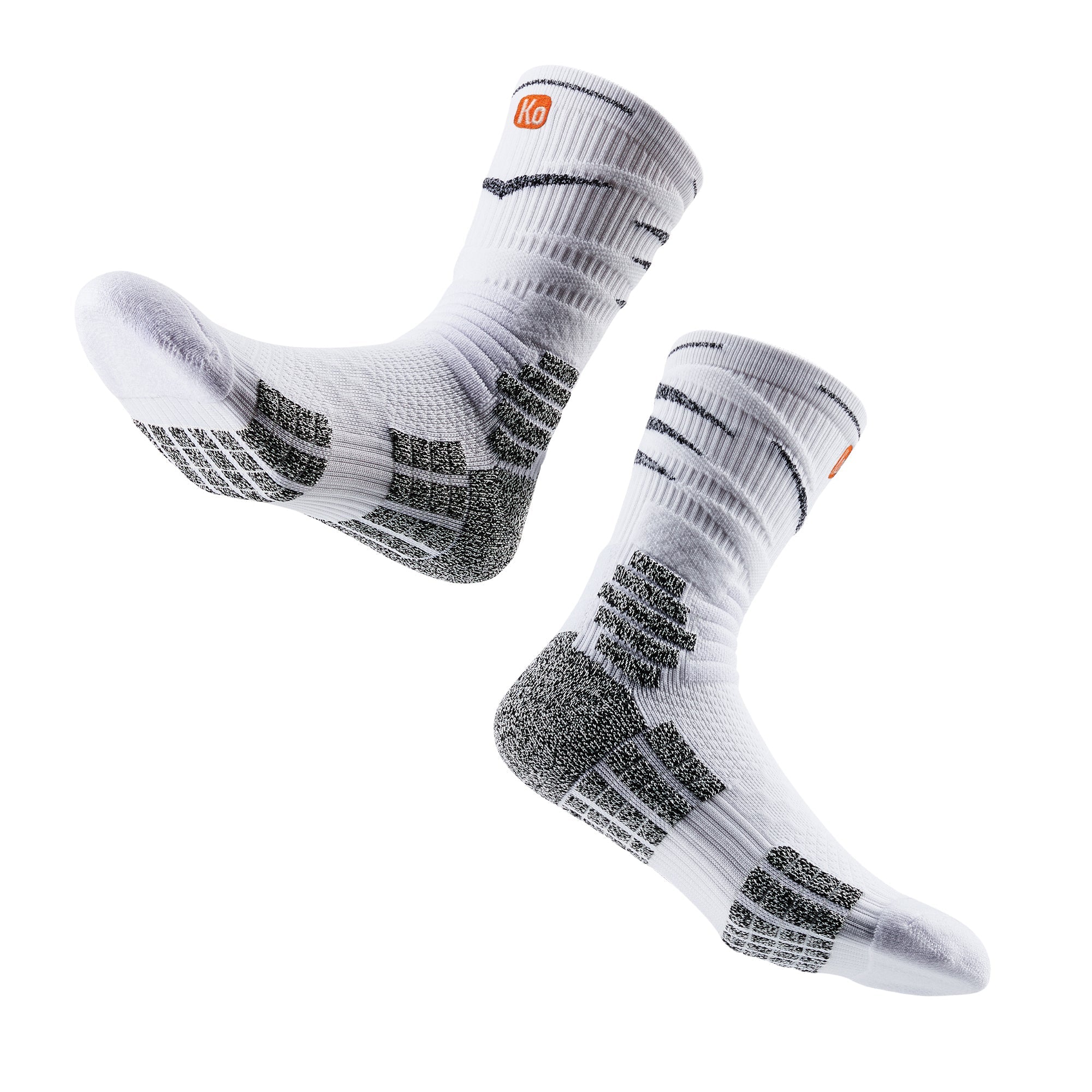
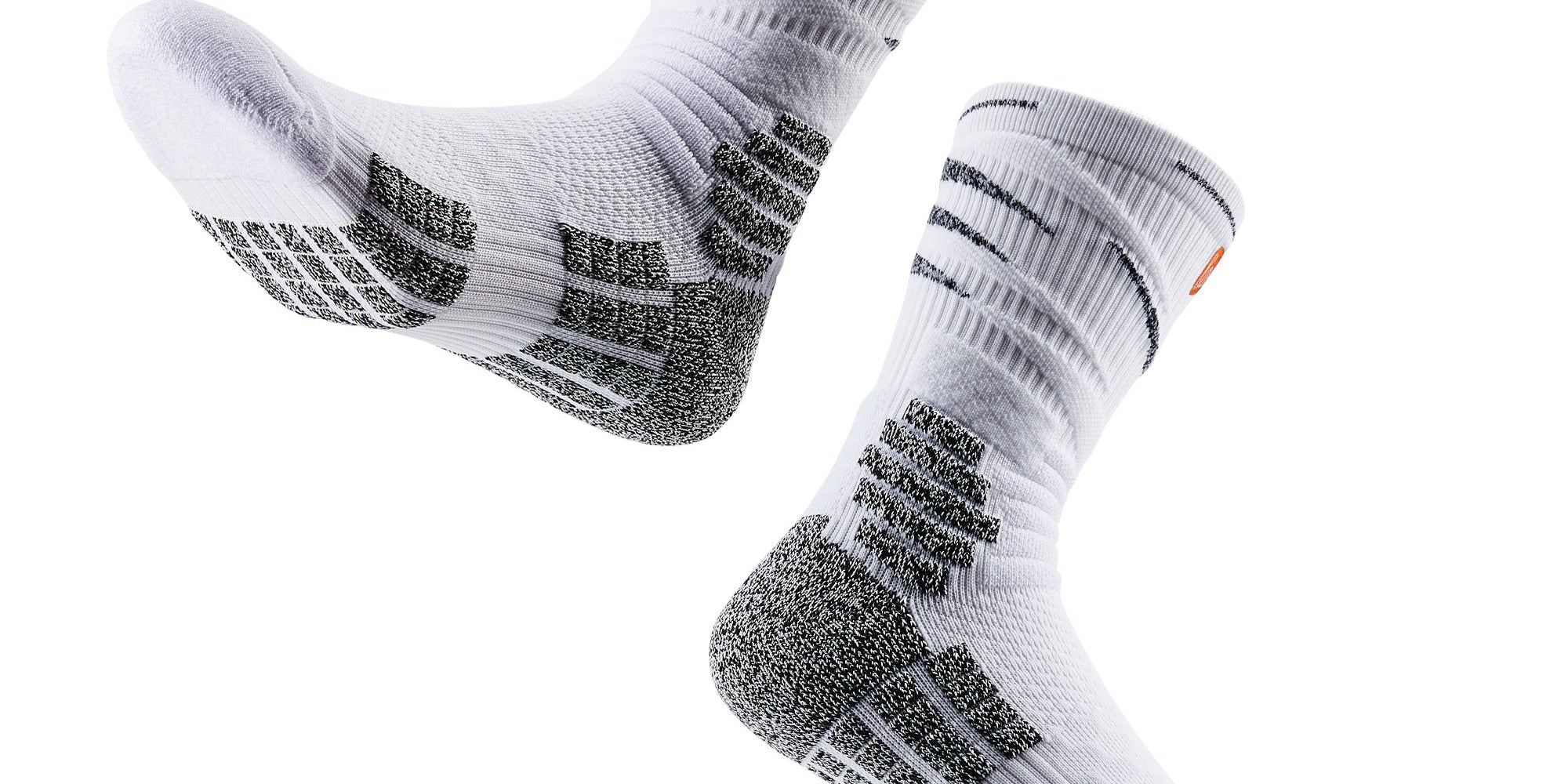
Your heel should stay seated when you sprint and stop. Minor movement can become blisters, instability, and a loss of confidence on the court. Test the fit with your normal basketball socks, not thin dress socks or bare feet. If you wear an ankle brace or orthotic, factor that in before committing to your size.
Break-In Time Is Not a Free Pass
Some materials soften after a few sessions, especially structured textiles and certain synthetic uppers. But a shoe should not require you to endure numb toes, sharp pressure points, or heel pain in hopes that it will eventually work.
A snug performance fit is normal. Pain is not. Give a new pair a controlled first run, ideally during shooting, skill work, or a lighter session before wearing it in a competitive game. You will learn more from 30 minutes of real movement than from walking around your home.
Choose the Upper for Your Priorities
The upper controls containment, ventilation, comfort, and the overall locked-in feeling of the shoe. Lightweight mesh can feel quick and breathable, which suits players who dislike bulky footwear. Reinforced mesh or engineered knit may offer a good blend of airflow and structure, depending on the overlays and lacing design.
More structured uppers can provide stronger lateral support, particularly for physical players or athletes who make hard, forceful cuts. The downside can be a stiffer break-in period and less ventilation. There is no universally superior material. The question is whether the upper keeps your foot centred over the platform when you are moving at full speed.
For volleyball players, many of the same principles apply: traction, stable landings, lateral containment, and cushioning all matter. The ideal pair may lean more toward impact protection and a secure platform for repeated jumps, but personal fit remains the deciding factor.
Build a Rotation Instead of Forcing One Pair to Do Everything
If you play several times per week, a two-pair rotation can make more sense than running one shoe into the ground. Use a durable, stable option for outdoor sessions or rougher gyms, and save a high-grip indoor pair for clean hardwood and game nights. Rotating shoes also gives cushioning foam time to recover and lets each pair air out between runs.
Collectors can approach this the same way. A rare colourway or deadstock pair may deserve careful wear, while a current performance model handles the weekly workload. Performance and sneaker culture do not have to compete. The best collection has pairs you are excited to wear and pairs you trust when the score is close.
Buy With Authenticity and Availability in Mind
Hard-to-find performance shoes create a real challenge for Canadian players. Limited distribution, cross-border shipping costs, inconsistent sizing information, and counterfeit risk can turn a simple purchase into a gamble. Buying from a specialist that understands the models, stocks inventory locally, and provides clear sizing support changes that equation.
At Kicksology, the focus is on authentic premium performance footwear that is not always easy to find through mainstream Canadian channels. That matters when you are comparing model families, looking for a specific size, or waiting on a restock rather than settling for whatever happens to be on a general sporting goods shelf.
Before buying, check whether the pair is intended for indoor, outdoor, or mixed use. Review the fit notes for that model, think honestly about your foot shape, and consider the court where you play most often. A shoe with a stronger reputation online is still the wrong shoe if it does not match your needs.
The right pair will not create your handle, fix your jumper, or replace smart training. It can give your movement a dependable foundation. Choose basketball shoes that let you attack, stop, land, and compete without your feet becoming the story of the game.

