










A deadstock pair is supposed to feel like a time capsule: original box, untouched uppers, factory-fresh outsoles and the exact colourway you missed when it first released. But buying authentic deadstock sneakers Canada shoppers can trust takes more than spotting a clean product photo. The right pair needs to be real, properly stored, accurately graded and worth wearing or collecting.
For Canadian hoopers and collectors, the challenge is sharper. Many sought-after Jordan, Kobe, Nike and LeBron releases never received broad domestic distribution. Importing can mean currency conversion, surprise duties, slow delivery and no practical return path. A trusted local specialist or consignment seller can remove much of that friction, but buyers should still know what they are looking at before they commit.
What Deadstock Actually Means
In sneaker culture, deadstock generally means a pair has never been worn. It should retain its original factory condition, including the box, accessories and manufacturer tags where applicable. That does not always mean the pair was released yesterday. A deadstock Kobe or Jordan can be years old, and age changes what smart buyers need to inspect.
The term is sometimes used too loosely. “Tried on once,” “worn indoors,” or “only laced up” may leave a pair looking nearly new, but it is not deadstock. Neither is a display shoe with outsole dust, creased uppers or missing extras. Those details may be acceptable if the price reflects them, but they should be disclosed as a different condition category.
A true deadstock pair can still have minor realities of retail life: a slightly damaged box, natural variations in leather grain, or a small amount of factory glue at the midsole. Those are not automatic red flags. The key is transparency. You should know whether you are paying for an untouched collector pair, a lightly handled pair, or a shoe with meaningful cosmetic or structural issues.
Why Authenticity Matters More Than Hype
Counterfeits have moved beyond obvious shape problems and bad logos. Some replicas now copy colourways, box labels and even small production details convincingly enough to fool a buyer scrolling quickly through photos. That is a problem for collectors, but it is also a performance issue.
A fake basketball shoe may look close enough off court while missing the foam density, torsional support, plate construction and traction compound that make the original usable. In a game, those differences show up when you plant hard, change direction or come down from a rebound. A counterfeit may also use inconsistent sizing, weak adhesives or materials that break down early.
Authenticity protects value, but it also protects your feet. That matters whether you are buying a grail Kobe colourway for the shelf or a deadstock LeBron pair you plan to run in twice a week.
Signs a seller has done the work
Reliable inventory starts before a shoe is listed. A serious retailer or consignment operation evaluates sourcing, construction, labels, packaging and condition rather than relying on one detail. Consistent product photography, clear size information and straightforward condition notes are all good signs.
Pay attention to how the seller talks about imperfections. A trustworthy listing does not promise that every older box is flawless or that every vintage pair is safe for full-court play. It tells you what is included, notes damage when present and avoids vague claims that cannot be verified.
For limited pairs, provenance can add confidence. That might mean a documented original purchase, a known collection source, or an established retailer’s authentication process. It is not about demanding a dramatic backstory for every shoe. It is about knowing the pair did not appear from nowhere with a price that looks too good to be real.
Authentic Deadstock Sneakers Canada Buyers Should Inspect
Before purchasing, start with the listing as a whole rather than hunting for one magic authentication clue. Check that the product name, colourway, style code and size label match the actual release. Compare the box label with the shoe, including the size conversion and product code. A mismatch can be legitimate in rare cases, but it requires a clear explanation.
Then inspect the overall build. On premium basketball shoes, look at the shape of the heel, symmetry of the toe boxes, logo placement, stitching consistency and material transitions. Real pairs can have factory variation, especially on mass-produced models, so perfection is not the standard. What matters is whether the details make sense together.
Photos should show more than a side profile. You want to see both size tags, outsole traction, heel counters, insoles, box label and any special accessories. For a sealed or older pair, ask how it has been stored. Heat, direct sunlight and moisture can hurt materials even when the shoe has never touched pavement.
Price is another useful signal, not a final verdict. A reasonable market price can vary by size, demand, condition and local availability. Rare sizes often cost more. Conversely, a major discount may be legitimate when a box is damaged, a model has sat for a while, or a retailer is clearing space. The risk comes when the price is wildly below every credible comparable pair and the seller cannot explain why.
Deadstock Does Not Always Mean Game-Ready
This is where collectors and players need different standards. A 2024 deadstock performance shoe can usually be treated like a new retail pair, assuming it was stored properly. A 2010 pair may be untouched but still have foam, glue or rubber that has aged beyond reliable play.
Polyurethane midsoles are especially worth respecting. Over time, they can harden or crumble, even in a box. Adhesives can weaken too. Outsoles may become slick, and air units or other cushioning components can become less predictable. None of that makes an older deadstock shoe worthless. It simply changes its role.
If you want a pair for regular runs, choose recent releases or models known to age well. Test older shoes carefully at home before taking them into a competitive session. Flex the sole gently, check for separation, press the foam and inspect the midsole edges. For a rare older Kobe, Jordan or LeBron, it may be smarter to preserve the pair and play in a current performance model built for your needs.
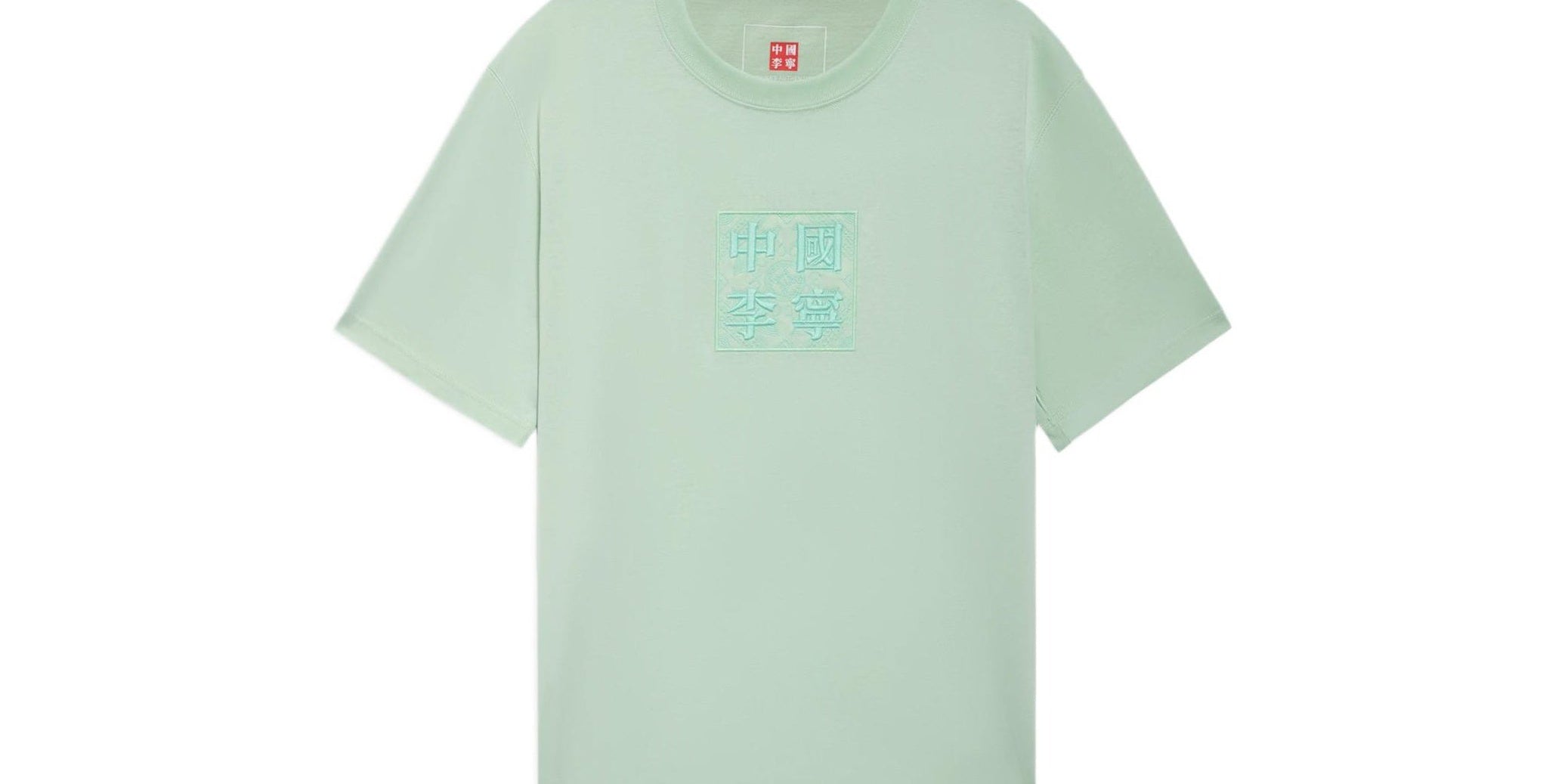
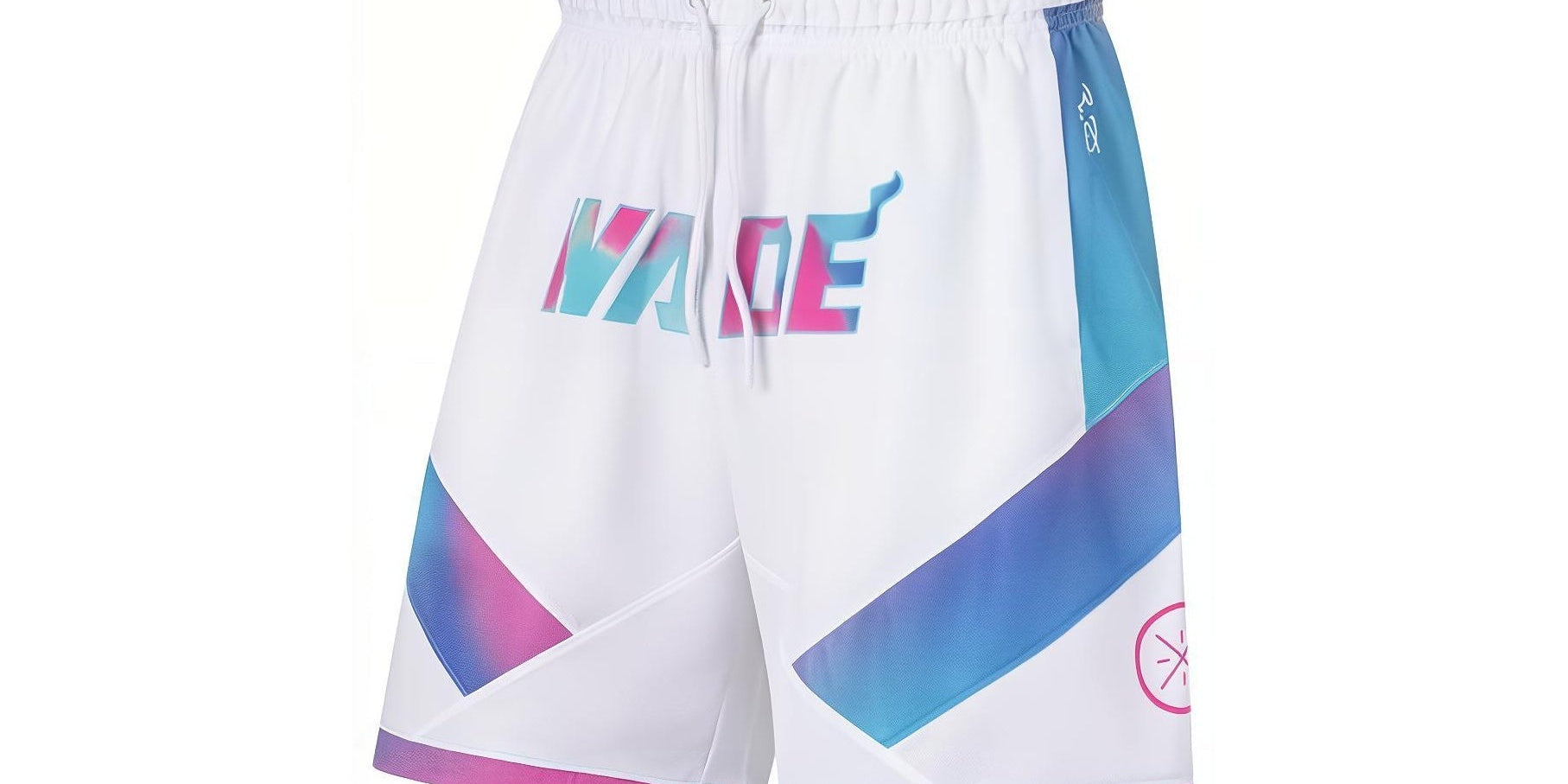
That trade-off is especially relevant for athletes who like the look of a classic but need dependable containment and traction. Current shoes from Way of Wade, Li-Ning, Anta and SPO can offer advanced cushioning, aggressive traction patterns and stable platforms without asking you to gamble on a decade-old midsole.
Sizing Is Part of the Purchase Decision
Deadstock pairs are often final sale because their value depends on untouched condition. That makes sizing research non-negotiable. Do not assume every Nike, Jordan or Kobe fits the same, and do not assume a basketball shoe will fit like your everyday runner.
Start with your measured foot length and the fit you prefer on court. Players with a wider forefoot may need more room in certain narrow-fitting signature lines. If you wear ankle braces or thicker socks, account for that too. A shoe that feels sharp for five minutes can become a problem late in a game when your feet expand.
Collectors have a separate question: are you buying your personal size, a display size or a size with stronger resale demand? There is no universal answer. Personal size is usually the most satisfying if you may wear the pair. Rare sizes can command premiums, but buying solely around market speculation can leave you with shoes you do not actually care about.
Buy for the Right Reason
The best deadstock purchase is not always the most expensive one. It is the pair that fits your purpose: a clean retro that completes a collection, a missed release in your true size, or a recent performance shoe you can trust during league play.
At Kicksology, the focus is on giving Canadian buyers access to authenticated, hard-to-find footwear without turning every purchase into an import headache. That includes collector-ready consignment pairs alongside performance-first options for players who want to keep their rare shoes off the court.
When a pair checks out on authenticity, condition, age and fit, do not overthink the label. Deadstock is most valuable when it still means something to you - whether that is a shoe you once watched your favourite player wear, or the pair you have been waiting to lace up for your next run.

