





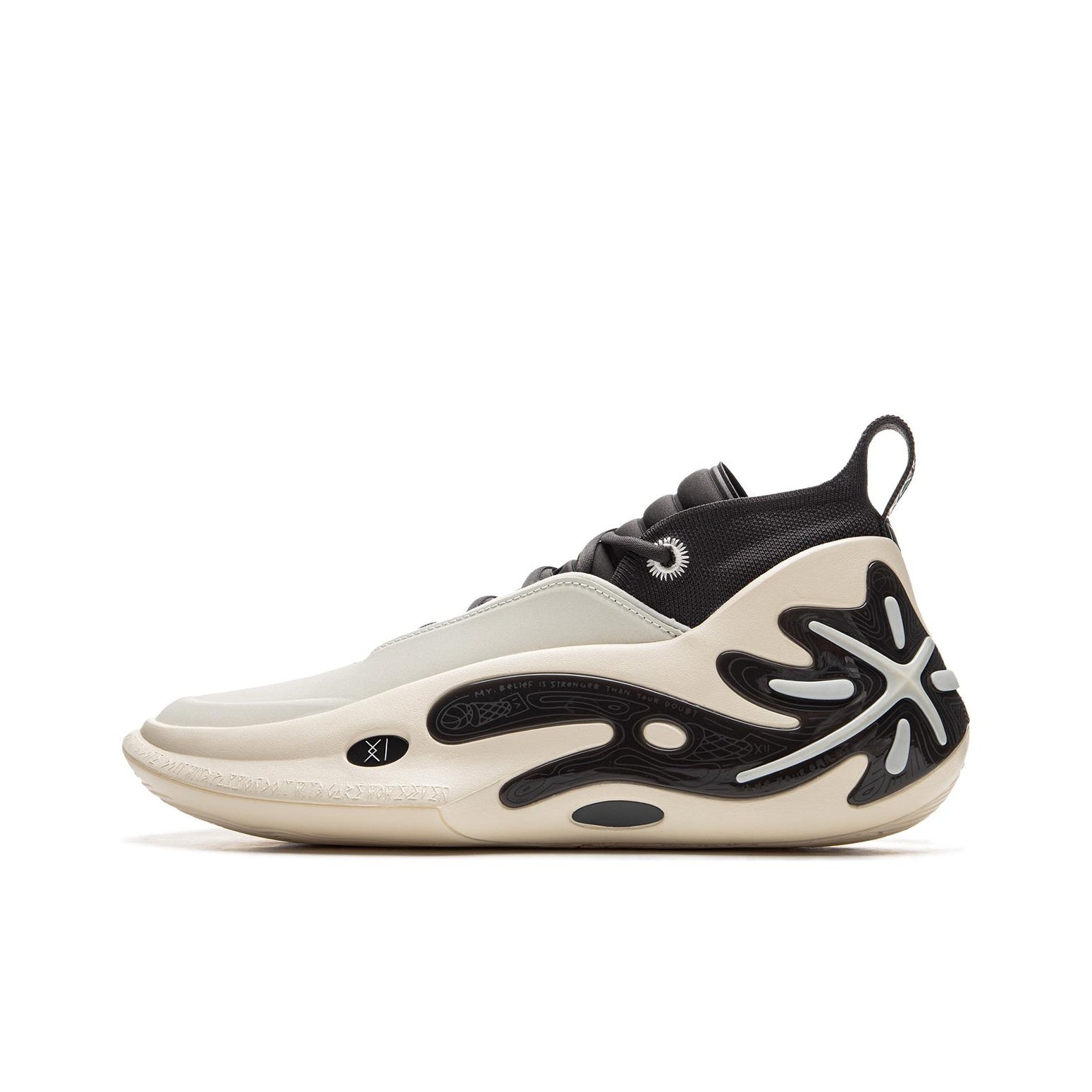









You feel it fast on court. The first hard plant, the shuffle to close a block, the sudden stop off a short serve - that’s when the question stops being theoretical: are running shoes good for volleyball? In most cases, no. You can get through a casual session in them, but once the pace picks up, running shoes usually give up the exact things volleyball players need most - lateral stability, reliable indoor traction, and protection during repeated jumps and side-to-side movement.
That does not mean every running shoe is automatically a bad idea, or that every volleyball shoe is perfect. But the job is different. Running shoes are built to move you forward in a straight line for kilometres at a time. Volleyball shoes are built for short, explosive movements in every direction, plus repeated landings on a hard court. That difference matters more than the label on the box.
Why running shoes and volleyball shoes feel so different
A good running shoe is engineered around gait efficiency. The shape, foam setup, heel-to-toe transition, and outsole pattern are all tuned to help you roll forward smoothly. That is exactly what distance runners want. It is not what a volleyball player is asking from a shoe when they need to cut, stop, plant, jump, and recover in a few steps.
Volleyball shoes sit lower and more planted. They usually have a wider, more stable base and uppers designed to keep the foot contained during lateral movement. The outsole rubber is also made with indoor court grip in mind, especially on clean hardwood or sport court surfaces.
If you wear runners for volleyball, the biggest issue is not comfort. Many runners feel soft and comfortable at first. The issue is whether they stay stable when your movement gets aggressive. A plush ride can feel great jogging around the block, then feel sketchy when you land off one foot and have to change direction immediately.
Are running shoes good for volleyball if you only play casually?
Sometimes, but there are limits.
If you are playing low-intensity recreational volleyball once in a while, a firmer, flatter running shoe may be serviceable for a short session. That is especially true if you are just trying out the sport or filling in for a rec league game and do not want to buy a dedicated pair yet.
The problem is that casual play has a way of becoming real play. A few rallies turn competitive, the tempo climbs, and suddenly you are moving harder than expected. That is where a lot of runners start to feel unstable. The outsole may not bite consistently indoors, the heel may sit too high, and the upper may not lock your foot down well enough during side cuts.
So yes, running shoes can work in a pinch. They are just rarely the shoe you would choose on purpose if volleyball is part of your regular rotation.
The biggest performance problem: lateral support
This is usually the deal-breaker.
Volleyball demands constant lateral movement - shuffling along the net, reacting to tips, changing direction in serve receive, chasing balls outside your frame. Running shoes are not primarily built for that kind of force. Their support package is focused more on forward motion and impact management than on resisting side-to-side rollover.
That creates two problems. First, your foot can slide over the footbed more than you want. Second, the upper can feel delayed when you plant hard laterally. Even if you do not roll an ankle, that lack of containment can make you slower and less confident.
Volleyball players tend to notice this most when they have to stop hard or recover quickly after landing. A proper court shoe usually feels more connected to the floor. That translates into better response, not just more protection.
Traction is where runners often lose the plot
A lot of running outsoles are designed for pavement, track, or mixed outdoor use. That does not automatically translate to indoor court traction.
Volleyball traction needs to grip during sudden stops, quick push-offs, and awkward recovery steps. Court shoes usually use tread patterns and rubber compounds that are more suited to clean gym floors. Running shoes can feel fine on the first few movements, then start slipping when dust builds up or when you push off at an angle.
That inconsistency is the issue. In volleyball, you do not want to wonder whether your shoe will hold on the next approach step.
Some runners with flatter outsoles and tackier rubber may perform better than others, but as a category, they are still not optimized for indoor court grip. If traction is the one feature you refuse to compromise on, a volleyball or court-focused basketball shoe is the safer call.
Cushioning sounds like a win, but it depends on the foam
A lot of people assume running shoes must be better for volleyball because they have more cushioning. That sounds logical, especially for players dealing with sore knees or a lot of jumping volume. But more cushioning is not always better cushioning.
Many modern running shoes use very soft, highly compressive foams. That softness helps with long forward mileage, but it can feel unstable in lateral sport. On court, you usually want impact protection without sinking too much into the midsole. If the foam compresses heavily on landings and cuts, your transitions can feel slower and less controlled.
Volleyball shoes typically aim for a balance - enough cushioning for repeated jumps and landings, but with more court feel and stability underfoot. Basketball shoes often hit a similar middle ground, which is why many volleyball players wear them successfully.
If you are comparing shoes for volleyball, do not just ask whether one feels soft. Ask whether it feels planted.
Fit and lockdown matter more than people think
You can have decent traction and decent cushioning, but if the fit is loose, the shoe still will not perform.
Running shoes often have roomier uppers through the forefoot and a less aggressive containment setup because they are built around comfort over distance. Volleyball usually needs the opposite. You want secure heel hold, strong midfoot lockdown, and enough structure up top to keep the foot centred during explosive movement.
A secure fit helps with confidence on approaches, blocks, and emergency reaction plays. It also reduces the friction and internal movement that can lead to blisters, toe bang, or general foot fatigue.
This is one reason serious players often end up in volleyball shoes or court-ready basketball models from performance lines with a strong lockdown package. The shoe should move with you, not a split second behind you.
When running shoes are the wrong choice
There are a few situations where the answer to are running shoes good for volleyball becomes a pretty clear no.
If you are playing multiple times a week, jumping a lot, or competing at a decent level, runners are usually the wrong tool. The same goes if you have a history of ankle instability or you play positions that demand a lot of lateral coverage and quick reactions.
They are also a poor choice on dusty courts where grip is already compromised. In that setting, starting with a shoe that was not built for indoor traction is asking for trouble.
And if your current running shoes are very soft, high-stacked, or narrow through the platform, that is another red flag. Those features can be excellent for logging kilometres and still feel sketchy the moment volleyball movement enters the picture.
What works better than running shoes for volleyball?
If you want the best match, start with actual volleyball shoes. They are designed for the sport, and that usually shows up right away in traction, stability, and court feel.
That said, many players also wear basketball shoes very successfully for volleyball. The overlap makes sense. Both sports involve hard cuts, explosive takeoffs, repeat landings, and a need for containment. A good low-top or mid-top basketball shoe with strong traction and lateral support can be a better volleyball option than almost any running shoe.
This is where model selection matters. Not every basketball shoe is ideal, and not every volleyball player wants the same setup. Some want max impact protection. Others prefer a lighter, quicker ride. The right answer depends on your position, movement style, and how much court feel you like underfoot.
For players shopping in Canada, this is also where specialist retailers matter. Access to performance-focused court models, including harder-to-find pairs, can make a bigger difference than settling for whatever general sporting goods store happens to have on the wall.
The real question is risk versus convenience
A lot of players ask about runners because they already own a pair. That makes sense. If the choice is between wearing your running shoes tonight or missing a casual drop-in session, your runners will probably get you through it.
But if you are asking what is actually good for volleyball, convenience is not the same as suitability. The trade-off is simple: a running shoe may feel familiar and comfortable, but it usually asks you to give up traction consistency, lateral containment, and court-specific stability.
That trade-off gets more expensive as your level of play rises.
So, are running shoes good for volleyball?
For occasional, low-intensity play, they can be passable. For regular volleyball, they are usually not the right call. The sport asks for grip, containment, and side-to-side security that most running shoes are not built to deliver.
If you care about moving confidently, landing more securely, and getting the most out of your footwork, choose footwear designed for indoor court movement. Your shoes should keep up when the rally gets fast, not just feel good during warm-up.

